
At WiseGEEK, we're committed to delivering accurate, trustworthy information. Our expert-authored content is rigorously fact-checked and sourced from credible authorities. Discover how we uphold the highest standards in providing you with reliable knowledge.
How is Leather Made?
 Mary McMahon
Mary McMahon
Mary McMahon
The process for altering an animal hide into leather includes a complex set of steps from skin to finished product. These steps are often referred to as “tanning” due to the most distinctive part of the process, which uses the tannic acids present in plant matter to chemically alter the animal hide so that it will not putrefy or rot. While it is possible to make leather at home, it is an odorous and complicated process, so many people prefer to send their hides to large commercial places, called tanneries, to be processed.
Animal skin is made up of three layers: the epidermis, which is the outside layer; the dermis; and the subcutaneous tissue, which is one type of adipose, or fatty, tissue. When making leather, only the strong and flexible dermis, which is partly made up of collagen fibers, is desired. The collagen is excreted by cells, and forms a network of useful filaments. When leather is processed, these fibers are retained, while everything else is stripped away.
Chrome Tanning

Various tanning methods exist and one common process is called chrome tanning, which is popular because it generally takes less time to complete. The process can be broken down into two basic stages: the wet blue processing stage and the finishing stage, both of which can be accomplished in tanneries. Completion times vary greatly depending on the size of the hide, which tanning process is used, and how busy a tannery is if the hide is sent out to be processed.
Wet Blue Processing

Before beginning the tanning process, the hide is preserved with salt to keep it from rotting. When the hide is ready to begin processing, it is soaked in water to soften and to remove any dirt or salt. A special knife that is built on a roller is used to remove any excess flesh and fat, and tannic chemicals, such as lime and sulphur, are added to the soaking water to turn the water alkaline; this will eat away at the animal hair. The collagen fibers begin to swell, while excess proteins precipitate out.

When this process is complete, the water is brought to a stable pH and the swelling goes down, so that enzymatic cleaners can be added to remove any remaining organic debris. Once the debris is removed, the hide is pickled in a highly acidic solution, which prepares it for tanning. Tanning agents form bonds with the collagen in the hide, causing it to resist bacterial attack, and the hides are removed from the wet blue processing tank for finishing, after being run through rollers to remove excess water.
Finishing

When the hide emerges from the wet blue stage, it is shaved until it is smooth and even, at which point it is split to the desired thickness. The hide is re-tanned with different materials depending on whether it needs to be firm or soft, and it is also dyed the desired color. After dyeing, the leather is oiled so that it will remain flexible and soft. Finally, the leather is dried, mechanically treated to to make it soft, and buffed so that it will have a smooth and attractive surface. At this point, one option is to emboss the leather with patterns before the final stage, which is the application of a finishing coat of polymer or wax to protect the surface of the final product.
Source of Pollution

Leather treatment used to be a highly polluting industry, but tanneries responded to public protest about odor and pollution issues. Tanneries now recycle the liquids used in the tanning process and refrain from chemical dumping. Tanning still carries a strong odor, but in most parts of the world, it is no longer accompanied by environmentally unfriendly business practices.
Mary McMahon
Ever since she began contributing to the site several years ago, Mary has embraced the exciting challenge of being a WiseGEEK researcher and writer. Mary has a liberal arts degree from Goddard College and spends her free time reading, cooking, and exploring the great outdoors.
Learn more...
Mary McMahon
Ever since she began contributing to the site several years ago, Mary has embraced the exciting challenge of being a WiseGEEK researcher and writer. Mary has a liberal arts degree from Goddard College and spends her free time reading, cooking, and exploring the great outdoors.
Learn more...AS FEATURED ON:
AS FEATURED ON:









-
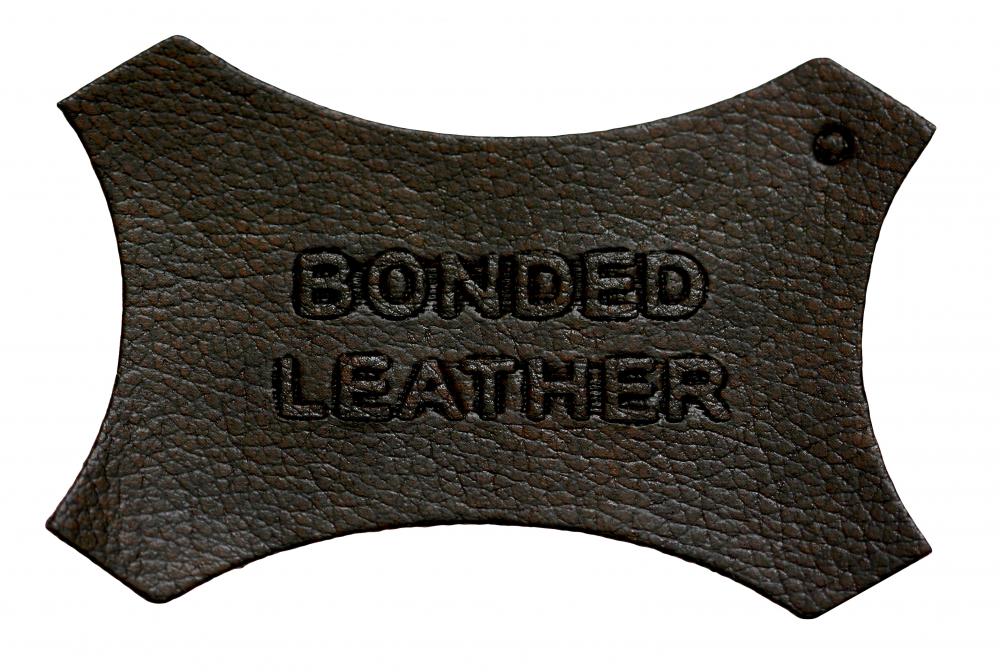
![Bonded leather.]() By: Jim MillsBonded leather.
By: Jim MillsBonded leather. -
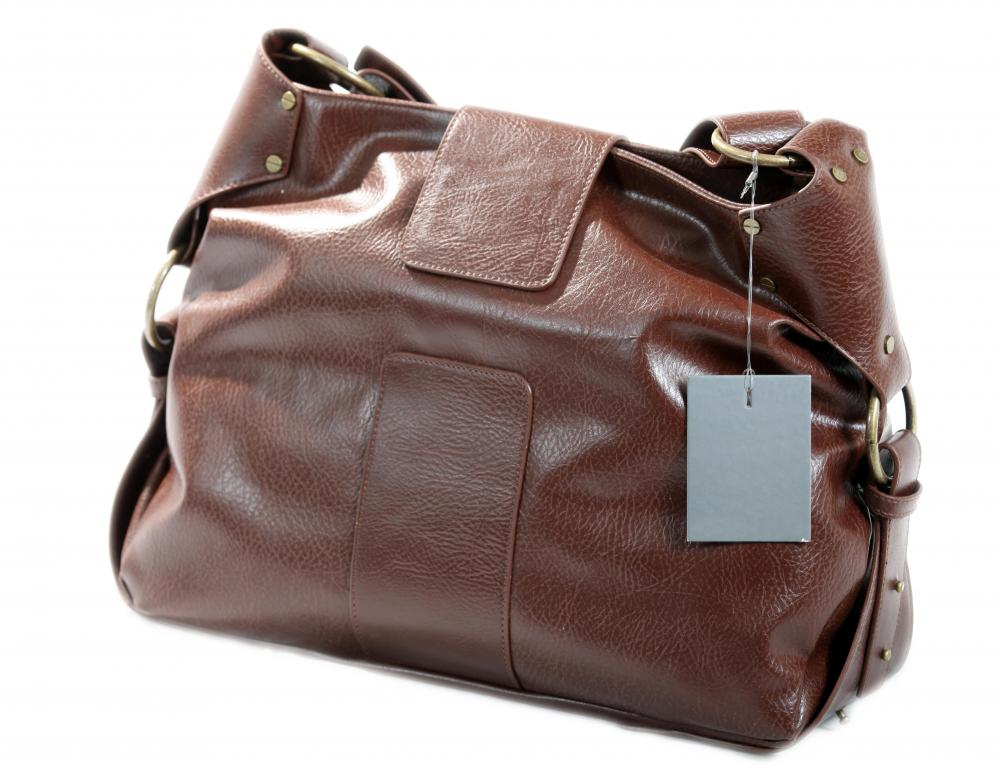
![A leather purse.]() By: Sam D'CruzA leather purse.
By: Sam D'CruzA leather purse. -
![Tanning animal hide is part of the process of making leather.]() By: Beth Van TreesTanning animal hide is part of the process of making leather.
By: Beth Van TreesTanning animal hide is part of the process of making leather. -
![Leather is often made from the hides of cattle.]() By: Tim AßmannLeather is often made from the hides of cattle.
By: Tim AßmannLeather is often made from the hides of cattle. -
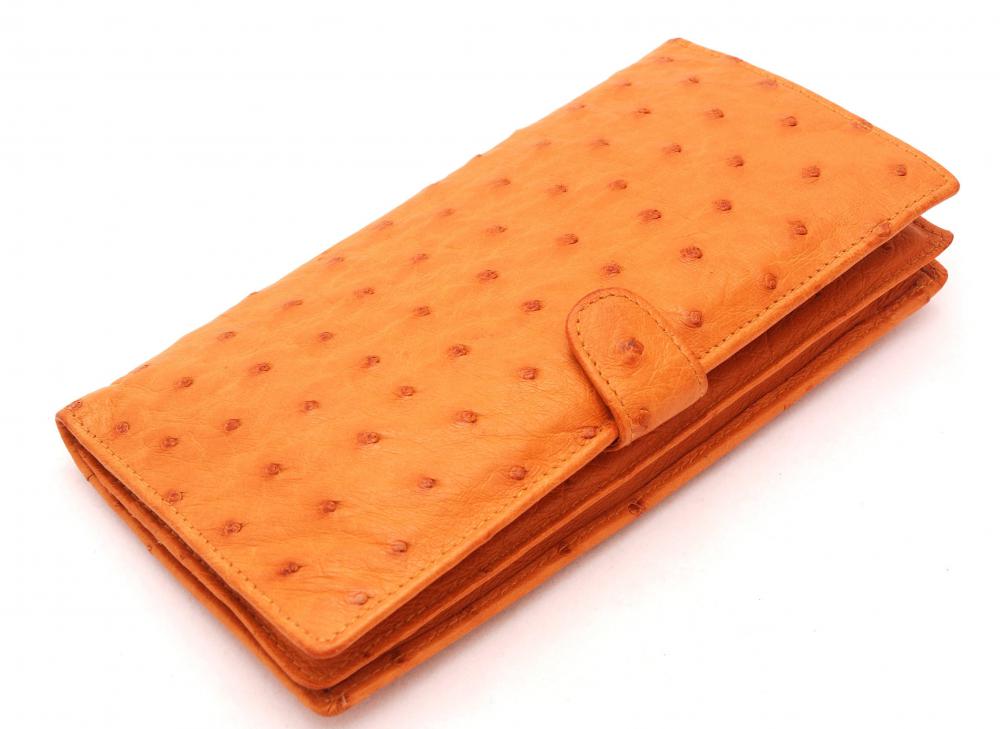
![Leather goods, such as wallets, are made using animal hides that have been tanned.]() By: Anke van WykLeather goods, such as wallets, are made using animal hides that have been tanned.
By: Anke van WykLeather goods, such as wallets, are made using animal hides that have been tanned. -
![Full-grain leather is produced by removing the hair and tanning the hide, and can be made from only the finest raw material.]() By: nitoFull-grain leather is produced by removing the hair and tanning the hide, and can be made from only the finest raw material.
By: nitoFull-grain leather is produced by removing the hair and tanning the hide, and can be made from only the finest raw material.



Discussion Comments
Leather is a by-product of the food industry - animals are not raised for leather.
Is leather bonded?
Great article - thanks! And just to point out, it's not practically ripped off, it literally is. They're dead, get over it.
don't buy leather. it involves animal cruelty and is practically ripped off of their bodies.
An extremely well-written article with excellent research. The writer knows leather. Thanks.
thanks. nice post to know about leather making process.
thank you, whoever you are. you have helped me with my textiles project loads.
thanks.
Thank you for sharing your knowledge. This is really very interesting.
Thanks - very helpful!
i think that this site is a great help to all who want to learn about leather!!! i would definitely recommend it!!!
Post your comments