
At DelightedCooking, we're committed to delivering accurate, trustworthy information. Our expert-authored content is rigorously fact-checked and sourced from credible authorities. Discover how we uphold the highest standards in providing you with reliable knowledge.
How is Hard Cider Made?
 Mary McMahon
Mary McMahon
Mary McMahon
Hard cider is made by fermenting fruit juices, classically from apples, and allowing the natural yeasts present in the juice to ferment the sugars into alcohol. Various cultures have been making this beverage for centuries, and it is relatively easy to make at home. There are many variations that incorporate various fruits along with additives such as honey, sugar, or cultured yeasts for a specific flavor. People who do plan to brew at home will need to find a company that sells brewing supplies and look for a cider brewing kit, which will come with everything needed.
The first step in making any sort of hard cider is selecting and pressing the fruit. Sweet fruits make a sweeter drink that can also be higher in alcohol, while tarter fruits will yield a drier cider. Many brewers like to mix several varieties of a fruit; blends of three or more apple varieties are very common in apple cider, for example. Brewers can also make pear cider, peach cider, or an assortment of other fruit ciders if they have access to the fruit.

After the fruit has been juiced, it is poured into a clean container with a burping lid. The lid allows fermentation gases to escape while keeping air out, which is important so that the cider does not turn to vinegar. Many brewers pump gas into their fermentation tanks after they pour the fresh cider in, to push the air out. Depending on the brewer's taste, the cider may be heated to kill the natural yeasts, allowing the brewer to add specific ones to the mixture, and some people also add sugar so that the end result will be more alcoholic, as the yeasts will have more sugar to convert to alcohol.

Once the cider is in a fermentation tank, it cannot be moved, because this will stir up sediments. After around two months, the cider is carefully decanted and the container is cleaned to remove sediment. The cider can age in an oak barrel, or be placed back in the fermentation tank, as long as it is meticulously cleaned. At this stage, the hard cider will taste very sharp and raw; the flavor will mellow as it ages.

People who want to make cider at home will need pressed juice without preservatives. It is often available at county fairs and roadside stands, although some brewers ask an orchard for unpreserved fruit juice. Apple cider with preservatives will rot before it is able to ferment. Brewers also need to try to keep temperatures stable during the fermentation process, and remember that cooler temperatures slow the rate of fermentation.
Mary McMahon
Ever since she began contributing to the site several years ago, Mary has embraced the exciting challenge of being a DelightedCooking researcher and writer. Mary has a liberal arts degree from Goddard College and spends her free time reading, cooking, and exploring the great outdoors.
Learn more...
Mary McMahon
Ever since she began contributing to the site several years ago, Mary has embraced the exciting challenge of being a DelightedCooking researcher and writer. Mary has a liberal arts degree from Goddard College and spends her free time reading, cooking, and exploring the great outdoors.
Learn more...AS FEATURED ON:
AS FEATURED ON:


-
![Hard cider may be aged in wooden barrels.]() By: Brad PictHard cider may be aged in wooden barrels.
By: Brad PictHard cider may be aged in wooden barrels. -
![Hard cider is commonly made from apples.]() By: tesgroHard cider is commonly made from apples.
By: tesgroHard cider is commonly made from apples. -
![Sugar may be added to hard cider to make the end result more alcoholic.]() By: CopridSugar may be added to hard cider to make the end result more alcoholic.
By: CopridSugar may be added to hard cider to make the end result more alcoholic. -
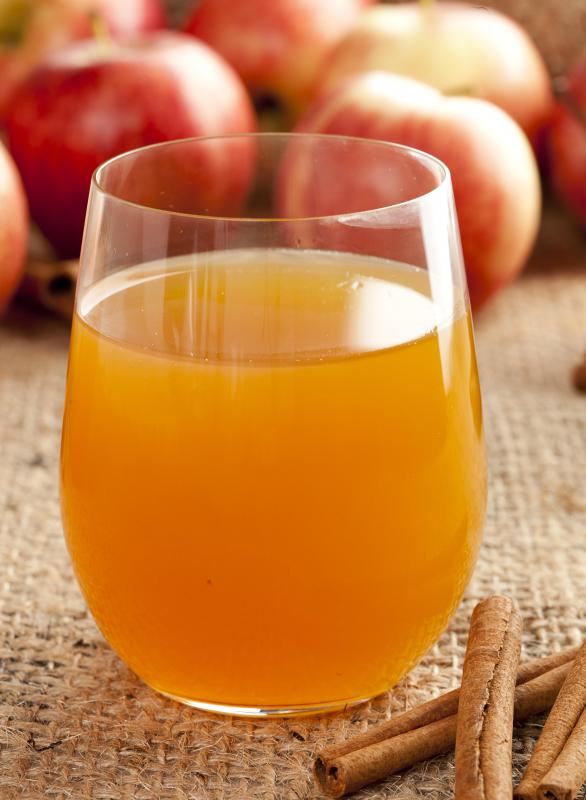
![Hard cider is a tasty drink consisting of fruit juices.]() By: Brent HofackerHard cider is a tasty drink consisting of fruit juices.
By: Brent HofackerHard cider is a tasty drink consisting of fruit juices. -
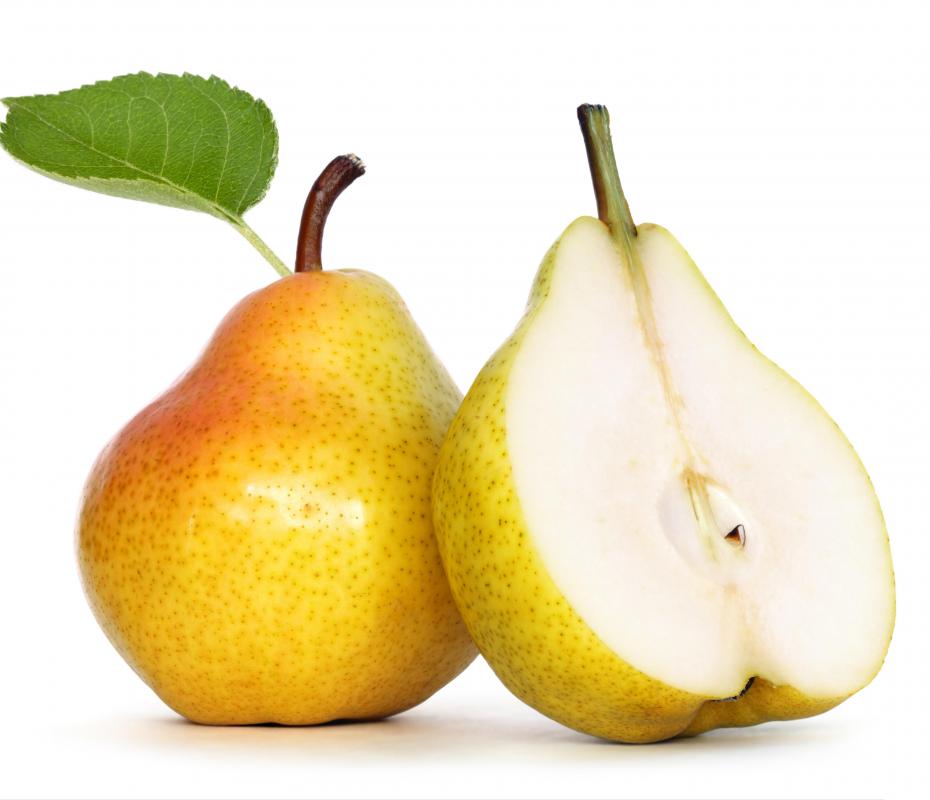
![Pears may be used to make hard cider.]() By: Mariusz BlachPears may be used to make hard cider.
By: Mariusz BlachPears may be used to make hard cider. -
![Peaches can be used to make hard cider.]() By: Anna KucherovaPeaches can be used to make hard cider.
By: Anna KucherovaPeaches can be used to make hard cider.



Discussion Comments
@SteamLouis: D's Wicked Cider based out of Washington has the best Cranberry-Green Apple cider around. It's called Cranny Granny.
Where can I buy good hard cider? Will most liquor stores have it?
My girlfriend said she loves cranberry-apple hard cider. Has anyone seen this kind of hard cider in stores?
English hard cider is divine but very different from American hard cider. I think it's because of the type of apples they have in the UK. The English apples make a very sharp hard cider. Compared to that, American hard cider tastes sweeter, lighter and brander to me.
But both are good to have on a cold winter night.
@disciples-- Do you have more than one kind of apple tree? If that's the case, you should use apples from both when making the cider.
Homemade hard cider is not very difficult and the only cost is the yeast and of course equipment like a juicer and containers if you don't have them already.
I personally don't make hard cider but my husband does every year. If you haven't made cider before, you might want to go and talk to someone at a store that sells ingredients and equipment for making wine. They have most likely also made cider and can give you a basic recipe and tell you what kind of hard cider yeast you need.
I absolutely love Woodchuck hard cider. I think it tastes so crisp and clean. I could never understand why people loved drinking beer but I can totally understand the appeal of cider. It tastes the way I imagined all alcoholic drinks tasted when I was a kid. If only!
I have a few apple trees on my land and every year I have a huge surplus of apples. I have been thinking of making home made hard cider.
Has anyone done this before? How difficult and expensive was it? Do I need to use a certain kind of apple or will any variety do? Thanks for any info you can provide.
I spent a few months living in the UK and cider is very popular over there. You can find it in every bar and any liquor store.
They also have many specialized drinks that incorporate cider. I learned to love it and then I came back over here where you can barely find it.
Post your comments