
At TheHealthBoard, we're committed to delivering accurate, trustworthy information. Our expert-authored content is rigorously fact-checked and sourced from credible authorities. Discover how we uphold the highest standards in providing you with reliable knowledge.
How Effective Is Cortisone for Eczema?
Cortisone is usually a very effective treatment for eczema, though results can vary from person to person. It’s often one of the first things medical professionals recommend for eczema sufferers if regular creams and lotions don’t work. Cortisone is a hormone that contains steroids to relieve itching as well as oils that can keep the skin lubricated. Over-the-counter creams that contain the hormone are available in most pharmacies and drug stores around the world, and doctors sometimes also prescribe higher concentrations on a person-by-person basis. In extreme cases injections can be administered with generally good results. It’s important to note, though, that while cortisone for eczema can provide quick and reliable relief, it won’t usually cure the underlying condition. In most cases, stopping a cortisone regimen will trigger a resurgence of the irritation.
Eczema Basics

Eczema is an inflammation of the top layer of the skin that is usually caused by an overactive immune system. It presents as dry, red, itchy rash, and can be triggered by any number of things. Sometimes a person’s diet is to blame, and things like air dryness or humidity, dust levels, and sensitivities to things like detergents or perfumes are also common causes. Unlike most standard dry skin, though, eczema doesn’t usually respond to lotion and regular topical moisturizers. Some companies make special “eczema creams” that are thick and full of oily emollients, and sometimes these work. When they don’t, doctors often recommend cortisone.
Understanding Cortisone

Cortisone is a hormone that people secrete naturally, usually in response to stress, and its main role is to calm inflammation. Many scientists and researchers think that this feature was important evolutionarily to prepare humans for what’s known as the “fight or flight” response to life-threatening situations, but in higher concentrations it also has a number of important medical uses. The hormone is most commonly synthesized in labs and used in lotions and other topical creams, though it can sometimes also be prepared in liquid form for injection, too.
Why It’s Generally Effective for Eczema

The steroid hormone usually works to calm eczema for two reasons: it can help the body stop attacking itself by suppressing the immune response; and it can relieve surface-level itches and discomfort by reducing inflammation on-site. Both of these effects are temporary, though. The cream often works well, but it is not generally viewed as a cure.
Most people who suffer from chronic eczema are best served by trying to find the source of their condition, then treating or removing that trigger. Over time, cortisone sometimes stops being as effective as it once was, and people find themselves using stronger and stronger concentrations in order to see results. While there’s not usually anything particularly dangerous about this, it isn’t always very helpful, either. Learning a few tips to maximize the steroid’s efficacy, even in the short term, can help avoid overuse.
Tips For Improving Success

Cortisone is usually most effective when it applied to damp skin, rubbed in, and followed up with a good-quality cream. Using topical creams and lotions immediately after bathing is often the best course. In general cortisone cream, lotion or ointment should be applied in small amounts, and worked into the skin gradually. Following application with a good-quality body cream or lotion can help keep the area as moist as possible.

Cortisone sprays are useful for the scalp and can keep the scalp moist while preventing the hair from becoming greasy. People who need injections often get them on a routine schedule, aiming for about the same time every week or month in order to allow the medication to distribute itself evenly throughout the body. Injections are often the best course for people who have the skin irritation covering most of their bodies — situations in which regularly applying creams and rubs could be very burdensome, in other words.
Possible Side Effects
Side effects that have been reported when using cortisone for eczema include spider veins, thin skin, glaucoma, and cataracts. These side effects are typically associated with large quantities of the stronger prescription doses.

When used sparingly, cortisone is an appropriate choice in the treatment of eczema for most people and should cause little or no side effects. Generally, stronger cortisone creams are intended to be used only for a short time, whereas patients more commonly use the lower-strength varieties for everyday use.
AS FEATURED ON:
AS FEATURED ON:


-
![Exposure to extreme temperatures or new climates may cause an outbreak of eczema.]() By: Alexey StiopExposure to extreme temperatures or new climates may cause an outbreak of eczema.
By: Alexey StiopExposure to extreme temperatures or new climates may cause an outbreak of eczema. -
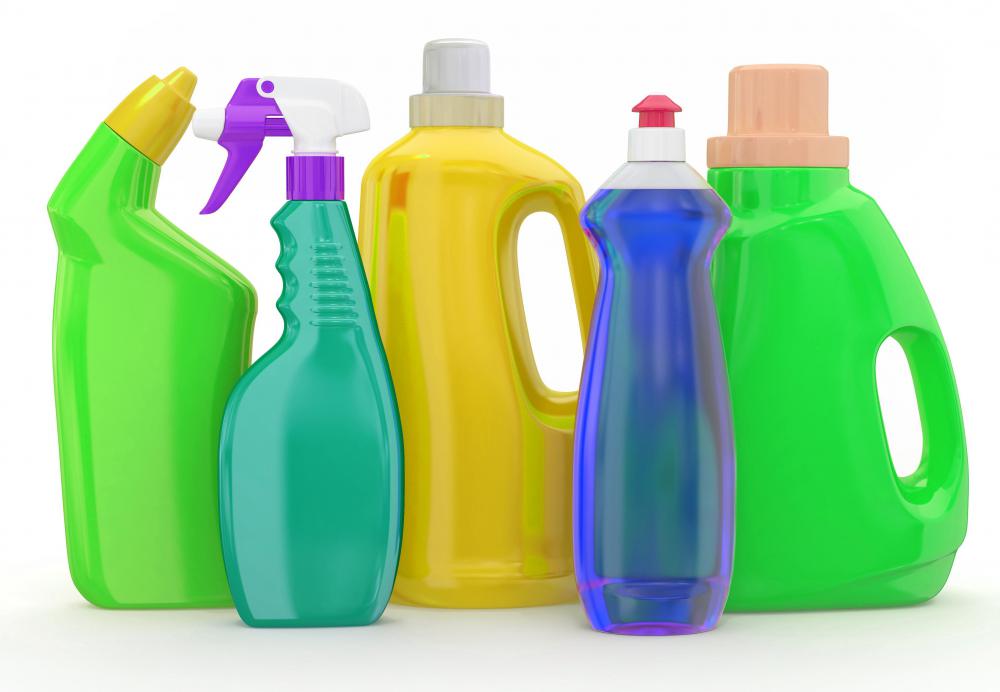
![Exposure to certain household products may cause an outbreak of eczema.]() By: Maksym YemelyanovExposure to certain household products may cause an outbreak of eczema.
By: Maksym YemelyanovExposure to certain household products may cause an outbreak of eczema. -
![Cortisone cream is often used to treat eczema.]() By: TingaCortisone cream is often used to treat eczema.
By: TingaCortisone cream is often used to treat eczema. -
![Eczema is a condition where skin may be itchy, red, dry, and cracked.]() By: quaysideEczema is a condition where skin may be itchy, red, dry, and cracked.
By: quaysideEczema is a condition where skin may be itchy, red, dry, and cracked. -
![Cortisone cream is considered safe when used in accordance with the manufacturer's directions.]() By: robert mobleyCortisone cream is considered safe when used in accordance with the manufacturer's directions.
By: robert mobleyCortisone cream is considered safe when used in accordance with the manufacturer's directions. -
![Medical experts are unsure as to the exact causes of eczema.]() By: jovanmandicMedical experts are unsure as to the exact causes of eczema.
By: jovanmandicMedical experts are unsure as to the exact causes of eczema.



Discussion Comments
I'm using cortisone for eczema right now and I agree with the article. It's effective, but it's not a cure. It can't be used indefinitely.
@bluedolphin-- I disagree with you. Cortisone is a strong anti-inflammatory but doctors don't prescribe it unless the patient truly needs it. Cortisone can actually provide relief for a considerable amount of time, during which the triggers of the inflammatory reaction may disappear. So when necessary, cortisone can make a huge difference in the treatment of eczema and provide the patient with the much needed relief.
Although cortisone has side effects, the side effects you mentioned are a bigger issue with cortisone injections. Topical cortisone has less side effects and will not be a problem for most people when used as described by the doctor.
I have used cortisone several times in the past for severe eczema. In my opinion, when eczema makes life very difficult, this is a great treatment. The benefits far outweigh the side effects. Of course, no one should use it without the approval and suggestion of a doctor first.
I don't think that it's a good idea to use cortisone for eczema. It works well but cortisone is a strong steroid and should be reserved for serious conditions. Eczema is a chronic condition and cortisone will only relieve for a certain period of time. And it has negative side effects. It causes water retention and increases blood sugar. So diabetics and pre-diabetics need to be particularly careful about cortisone.
There are other milder steroids and treatments that can be used instead.
My sister has eczema, and she often has to use a strong cortisone cream to keep her flare ups under control. However, she has found that if she switches to a milder cortisone cream when her skin is not flaring, she is able to prevent some of the side effects that cortisone can cause.
I want to also add that anyone who thinks this method of treating eczema might work should check with a doctor before altering any prescribed treatment plan.
If you are using a high-dose cortisone cream to treat eczema, it is important that you also use a sunscreen when outdoors. Since cortisone cream can make our skin become thin, it will be more prone to sunburns. A sunscreen will help to prevent severe sunburns and skin damage caused by the sun shining on skin treated with cortisone.
Post your comments