
At WiseGEEK, we're committed to delivering accurate, trustworthy information. Our expert-authored content is rigorously fact-checked and sourced from credible authorities. Discover how we uphold the highest standards in providing you with reliable knowledge.
How Effective Is Antibiotic Cream for Acne?
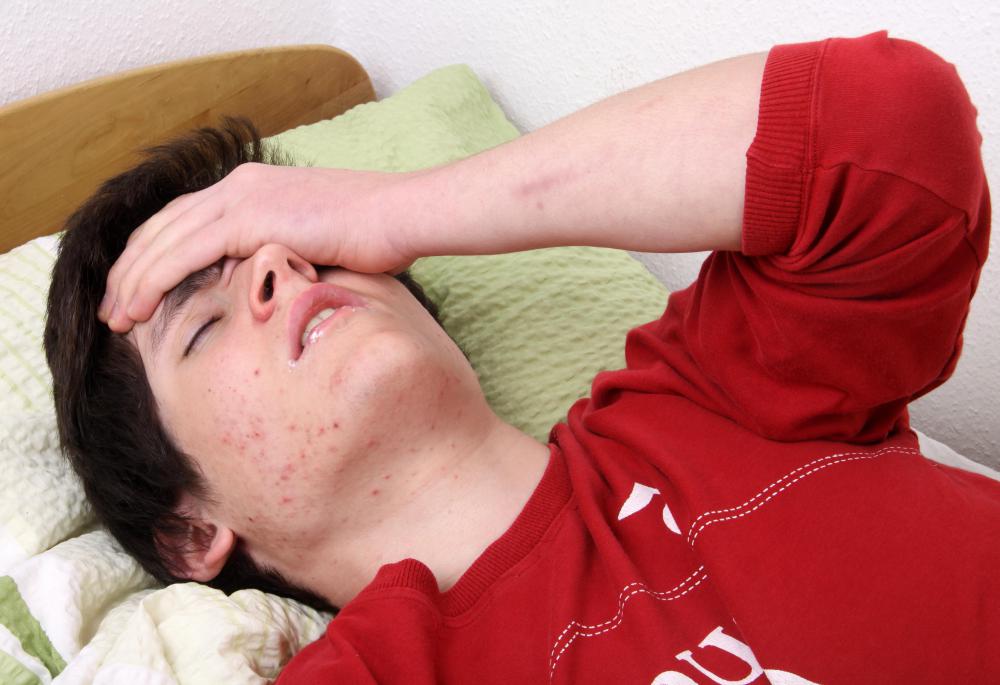
Antibiotic cream is effective in killing bacteria, and since acne can be exacerbated by bacteria, the cream may help clear the condition. Although acne most often affects young people during adolescence, it can develop in people of all ages. Antibiotic cream is not always recommended for acne, but it is sometimes helpful as the first line of defense against breakouts. Severe acne, or cystic acne, needs to be treated by a dermatologist, who can prescribe creams, oral antibiotics, or other prescription medications.
When pores in the skin become clogged with dirt and oil, bacteria can proliferate. This can trigger an immune response, resulting in skin eruptions, boils, and cysts. An antibiotic cream may effectively eradicate bacteria and allow the skin to heal. One of the benefits of using an antibiotic cream for acne, as opposed to oral antibiotics, is that the cream typically causes fewer systemic side effects, if any at all. Oral antibiotics can cause stomach upset, diarrhea, and abdominal pain. Topical antibiotics, however, may only cause a mild local irritation.

Although creams produce fewer side effects than oral antibiotics, those who are allergic to antibiotics should not use them, even in this form, unless a healthcare professional think it's safe to do so. Patients with antibiotic allergies should tell the healthcare provider so that an alternative treatment can be prescribed, if necessary.
Prescription antibiotic cream for acne should not be confused with over-the-counter antibiotic ointments. These ointments are typically used to treat minor scrapes, cuts, and insect bites, and they should not be used as a treatment for acne. In addition, prescription antibiotic creams prescribed for acne should not be used to treat minor cuts or scrapes.

Occasionally, antibiotic creams are given along with topical drying agents. The combination can cause the skin on the face to become very dry and flaky, and it may peel. Although these effects are typically mild and temporary, they can be uncomfortable and embarrassing. Treating this dryness with moisturizers might make the acne worse, so patients who experience extreme dryness that does not go away should speak to a medical professional.

In addition to antibiotics and other medications, lifestyle changes may also help treat acne. Eating a diet that is high in fruits and vegetables, exercising, and managing stress may help reduce breakouts and improve the appearance of the skin. In addition, getting enough sleep, not smoking, and avoiding or limiting the consumption of alcohol may also help improve symptoms.
AS FEATURED ON:
AS FEATURED ON:









-
![Topical antibiotics can cause mild pain or stinging when applied to acne.]() By: CopridTopical antibiotics can cause mild pain or stinging when applied to acne.
By: CopridTopical antibiotics can cause mild pain or stinging when applied to acne. -
![Reducing stress may also help reduce breakouts.]() By: Klaus EppeleReducing stress may also help reduce breakouts.
By: Klaus EppeleReducing stress may also help reduce breakouts. -
![Antibiotic cream is often used in conjunction with medicated facial wash to reduce breakouts.]() By: ipagAntibiotic cream is often used in conjunction with medicated facial wash to reduce breakouts.
By: ipagAntibiotic cream is often used in conjunction with medicated facial wash to reduce breakouts. -
![Antibiotic cream has fewer side effects than oral antibiotics.]() By: matesAntibiotic cream has fewer side effects than oral antibiotics.
By: matesAntibiotic cream has fewer side effects than oral antibiotics. -
![Severe acne can be controlled with antibiotic cream, but it may not prevent all breakouts.]() By: Budimir JevticSevere acne can be controlled with antibiotic cream, but it may not prevent all breakouts.
By: Budimir JevticSevere acne can be controlled with antibiotic cream, but it may not prevent all breakouts.



Discussion Comments
Antibiotics work for acne, but it's a short-term treatment. If antibiotics are used for a long time, the bacteria will build tolerance to it and it won't work anymore.
@ddljohn-- You need to speak to your doctor about this.
From my experience, antibiotic cream is not as effective as oral antibiotics. And sometimes doctors prescribe them together like the article said.
However, it is true that oral antibiotics can cause gastro-intestinal problems. Topical antibiotic creams don't have these side effects. So they may be the better choice for you. But not every antibiotic cream is the same so talk to your dermatologist about it so that he can prescribe one that's likely to work for you.
My doctor prescribed me oral antibiotics for my acne last month. The antibiotics are working, I've had less breakouts and they heal faster. But the problem is that the antibiotics are giving me diarrhea and upset stomach.
If I switch to antibiotic cream, will it work just as well as oral antibiotics?
Post your comments