
At BeautyAnswered, we're committed to delivering accurate, trustworthy information. Our expert-authored content is rigorously fact-checked and sourced from credible authorities. Discover how we uphold the highest standards in providing you with reliable knowledge.
How does Tartar Control Toothpaste Work?
 Michael Pollick
Michael Pollick
Michael Pollick
Many of us encounter a dizzying array of toothpastes in the oral care aisle, from anti-cavity to whitening to tartar control. Some products promise all of the above and more. Tartar control toothpaste helps prevent the unsightly build-up by using a chemical that binds with the tartar and allows it to be dissolved away.
Tartar control toothpaste cannot remove previous tartar build-up. Only a trained dentist or dental hygienist can scrape away the hardened calcium above and below the gumline. What this toothpaste does is halt the progress of the destructive chemicals responsible for the creation of tartar.

The tartar cycle begins with food. When food particles are allowed to remain on the teeth after eating, bacteria begins to feed on them. These living organisms excrete acids that leech out calcium from tooth enamel, a process called demineralization. Eventually, this process creates cavities and fissures in the tooth. This compound of calcium and acid combines with oxygen to form a substance called calcium phosphate.

Calcium phosphate tends to bond with existing enamel along the gumline and work its way up the tooth. This is the hard, yellowish material that must be scraped away with metal tools. Calcium phosphate will continue to form as long as the cycle of acid production and demineralization remains unchecked. Brushing with regular toothpaste removes the acid deposits and food particles, but the tartar will remain.

This is where tartar control toothpaste enters the picture. Chemists working for the oral care industry discovered that calcium phosphate is an insoluble form of phosphate. This means that existing tartar build-up cannot be dissolved in water. The solution to this problem was to create a form of phosphate that is soluble, and which combines chemically with the destructive calcium phosphate. This active ingredient is called sodium pyrophosphate.

When a toothpaste containing the soluble sodium pyrophosphate is applied to the teeth and gums, a chemical bonding process occurs. Any calcium phosphate that has not yet bonded to teeth is attracted to the sodium pyrophosphate. When the new compound mixes with water, it is completely dissolved. This means that the destructive calcium phosphate destined to form more tartar is instead removed with the rinse water. The toothpaste cannot dissolve tartar that has already bonded with the enamel, but it can stop future deposits from forming.

Some people may experience more tooth sensitivity after using this product, since the enamel layer becomes a little thinner over time. Others may develop canker sores due to the higher sodium content. These toothpastes may also contain bleaching agents for tooth whitening.
When in doubt, shoppers should look at the ingredient list on the box. Tartar control toothpastes should include sodium pyrophospate as an active ingredient. This is not the same as sodium laureth sulfate, which is a compound used as a detergent. Those who are prone to canker sore formation might want to avoid toothpastes with high levels of sodium-based compounds.
Michael Pollick
A regular BeautyAnswered contributor, Michael enjoys doing research in order to satisfy his wide-ranging curiosity about a variety of arcane topics. Before becoming a professional writer, Michael worked as an English tutor, poet, voice-over artist, and DJ.
Learn more...
Michael Pollick
A regular BeautyAnswered contributor, Michael enjoys doing research in order to satisfy his wide-ranging curiosity about a variety of arcane topics. Before becoming a professional writer, Michael worked as an English tutor, poet, voice-over artist, and DJ.
Learn more...AS FEATURED ON:
AS FEATURED ON:


-
![Tartar control toothpaste uses sodium pyrophosphate to dissolve tartar when brushing the teeth.]() By: CandyBox ImagesTartar control toothpaste uses sodium pyrophosphate to dissolve tartar when brushing the teeth.
By: CandyBox ImagesTartar control toothpaste uses sodium pyrophosphate to dissolve tartar when brushing the teeth. -
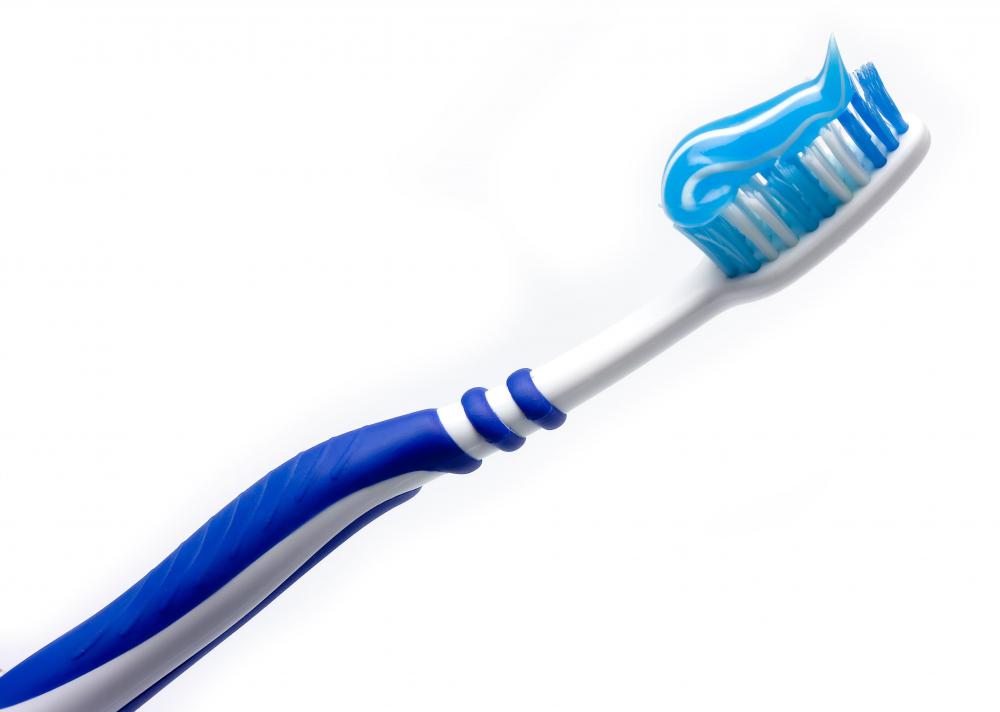
![A toothbrush with tartar control toothpaste on it.]() By: manipulateurA toothbrush with tartar control toothpaste on it.
By: manipulateurA toothbrush with tartar control toothpaste on it. -
![Some people may experience tooth sensitivity after using tartar control toothpaste.]() By: Jürgen FälchleSome people may experience tooth sensitivity after using tartar control toothpaste.
By: Jürgen FälchleSome people may experience tooth sensitivity after using tartar control toothpaste. -
![Tartar is caused by bacteria that destroys the enamel of teeth.]() By: Jeremys78Tartar is caused by bacteria that destroys the enamel of teeth.
By: Jeremys78Tartar is caused by bacteria that destroys the enamel of teeth. -
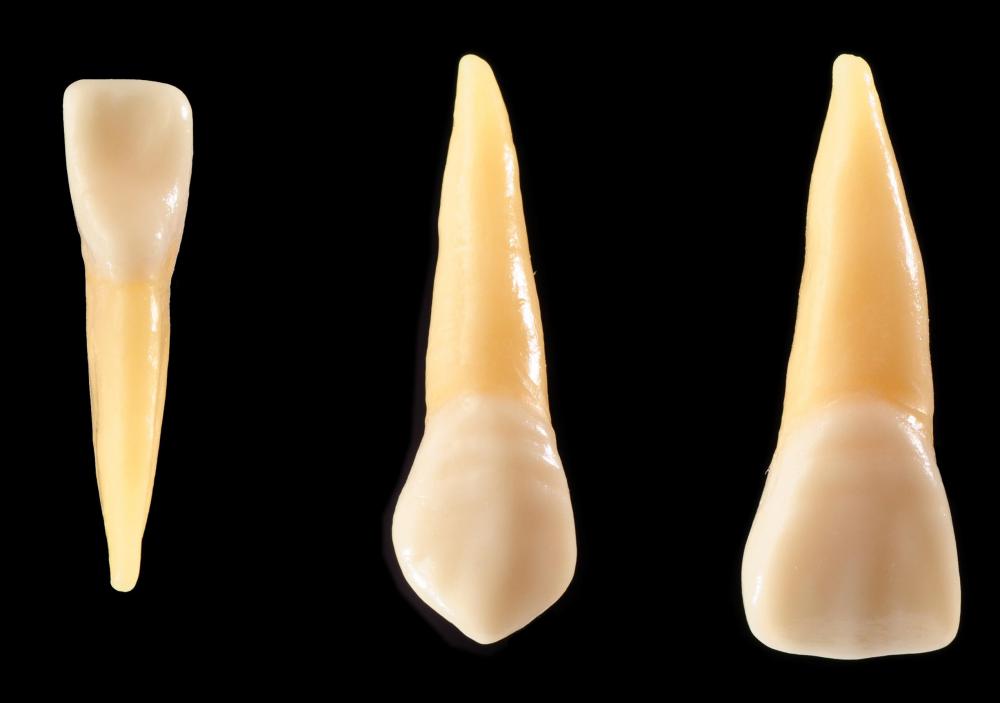
![The tartar cycle can lead to the creation of cavities.]() By: patrisyuThe tartar cycle can lead to the creation of cavities.
By: patrisyuThe tartar cycle can lead to the creation of cavities.



Discussion Comments
Periogen did not work for me. It did not dissolve tartar. It did not stop bleeding gums. Where is the result of the study that was finished in 08? Periogen has patients? I didn't know this was a dental office. Maybe I was supposed to go to them for treatment.
i am a periogen user and am delighted with it. it is not just soda bicarb and citric acid. it is not a scam.
Regards, n.b. --sydney, australia.
Toxic toothpaste is bad for business if the public finds out about it. 'Tartar fighting' brands activate or cause painful oral sores in about 20 percent of people, so a family of three would have a 60 percent chance of someone reacting to it. It hurts like hell and lasts about a week! Something you may not hear on Dr. Oz because the sponsors will freak! Michael Z. DDS
No dog in the hunt, but will tell you that periogen has changed my mouth and my life for the better - no calculus, no bad breath, no gum disease - the stuff is amazing.
I believe our initial assumptions about why Periogen users do not suffer from canker sores was wrong. It is apparently not the high pH factor alone, which was assumed to be the case based on research conducted by others; but instead by the simple fact that gum-eating sub-gingival anaerobic bacteria are destroyed during Periogen usage. This needs to be properly researched, of course, but we now have thousands of users reporting the same results.
I finally found the answer to my personal findings that I kept getting a sore inside and around the mouth whenever I used tartar control toothpaste. Even my dentist didn't know. Your comment regarding the source of sore could be pH related is interesting. If possible, can you share your information what pH causes the sore? My guess is basic (pH>7) if it is also related to high content of sodium. It would be helpful as I am finding possibly not only pyrophosphate but also other phosphate containing toothpaste still giving me sore. I changed from tartar control to another one containing sodium monofluorophosphate and still the sore didn't disappear. it is better but I cannot say completely better. I will appreciate the information.
Your information on tartar removal is becoming outdated. Phosphate compositions with improved formulations which include ion sources do remove existing tartar formations, both above and below the gum line. This is accomplished by dissolving the connective salts which fuse tartar components together, thus allowing them to float free. We have demonstrated this in hundreds of patients in our internal studies, and now a major US university is conducting a clinical research study which will hopefully verify our findings by January '08.
Curiously, none of our participants who suffer from canker sores has had a sore while using our product, or such sores have been short-lived. We are not certain about the reason for this positive side effect, but suspect that pH may play an important role.
Post your comments