
At TheHealthBoard, we're committed to delivering accurate, trustworthy information. Our expert-authored content is rigorously fact-checked and sourced from credible authorities. Discover how we uphold the highest standards in providing you with reliable knowledge.
How does High Altitude Affect the Human Body?
High altitude (or elevation) refers to the distance above sea level. People have always been attracted to the beautiful views available from a high elevation, feelings of solitude, spaciousness, closeness to nature and a sense of accomplishment when mountain climbing or even flying in an airplane.
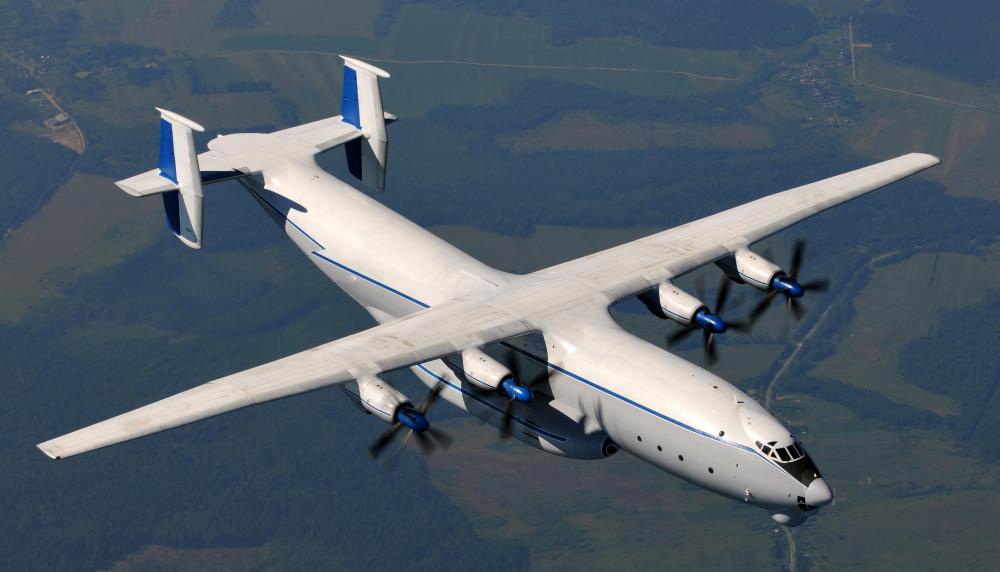
Living at a high altitude comes with some conditions, as the thinner air results in fewer molecules of oxygen taken in with each breath. This is why airplanes are pressurized to help compensate for the variances.

On land, the body will compensate by increasing the breathing rate, heart rate and red blood cell production, allowing for an increase in oxygen flow to the brain and muscles. Those who live at these altitudes adapt fully within a few weeks, are comfortable in their environment and quickly learn the slight variations in cooking and other functions necessary.

If the body is responding properly to the elevation, normal symptoms such as decreased appetite, increased bladder activity, insomnia, slight swelling of hands, feet or knees, temporary breathlessness after exercising will occur. However, the effects on the human body at high altitudes that have not had time to acclimate can range from uncomfortable to life threatening.

The most common condition is altitude sickness or “acute mountain sickness” (AMS), which affects 40-50% of people who ascend over 14,000 ft (4,267.20 meters). Typical symptoms are similar to that of a bad hangover: dizziness, headache, nausea, prolonged shortness of breath, prolonged fatigue, vomiting and exhaustion. In extreme cases, the subject may experience agitation, anxiety or mental confusion, lack of coordination or imbalance.

This is an indication to not continue the ascent but rather descend until a point is reached that is comfortable. Mild symptoms will resolve themselves in 2-3 days and the trek may be resumed at a slower and more cautious pace. Genetics seem to play a more dominant role in AMS than do pre-existing medical conditions.
Migraines and dehydration often accompany AMS but may be independent symptoms. Because of the overactive elimination of fluids at elevated altitudes, drinking extra fluids is imperative. It is important to consider that most medication available to ease the symptoms will increase dehydration.
Life threatening conditions brought on from high altitude are:
- HACE - High Altitude Cerebral Edema, (fluid build up in the brain)
- HAPE - Altitude Pulmonary Edema, (high blood pressure in the lungs)
- HARH - High Altitude Retinal Hemorrhage, (small areas of bleeding in the back of the eye)
- High Altitude Breathing & Sleeping Issues, (central sleep apnea combined with periods of hyperventilation)
- Hypoxemia, (low blood oxygen)
- Hypothermia, (extreme cold where the body’s core temperature cannot be maintained)
- High Hemoglobin Count, (cause stokes, heart attacks and pulmonary embolisms)
For the average individual, awareness of symptoms and acclimatization to high altitude should be considered over 6,500 ft (1,981.20 meters). Above this level, the barometric pressure causes a decrease in oxygen and an increase in carbon dioxide.
For mountain climbing the following rules should be exercised at all times:
- Sleeping altitudes should not be increased by more than 1,000 ft (304.80 meters) each day.
- A day off to rest should be taken for each 3,000 ft (914.40 meters).
- If any elevated altitude symptoms occur, descend to below where you first began feeling sick. Then reacclimate to that elevation before resuming a slower paced trek.
- Once at 10,000 ft (3,048 meters) take at least one nights rest before ascending higher.
Every individual should rely on common sense and awareness of their body tolerances. There is a minimum of ten people known to have survived stowing away in the wheel bays of airplanes flying at altitudes above 30,000 ft (9,144 meters). Other people have experienced discomfort at levels as low as 2,500 ft (762 meters). The remedy for any condition resulting from elevated altitude is consistently for descending as quickly as possible.
AS FEATURED ON:
AS FEATURED ON:


-
![Airplane cabins are pressurized due to variance in air at high altitudes.]() By: vlaboAirplane cabins are pressurized due to variance in air at high altitudes.
By: vlaboAirplane cabins are pressurized due to variance in air at high altitudes. -
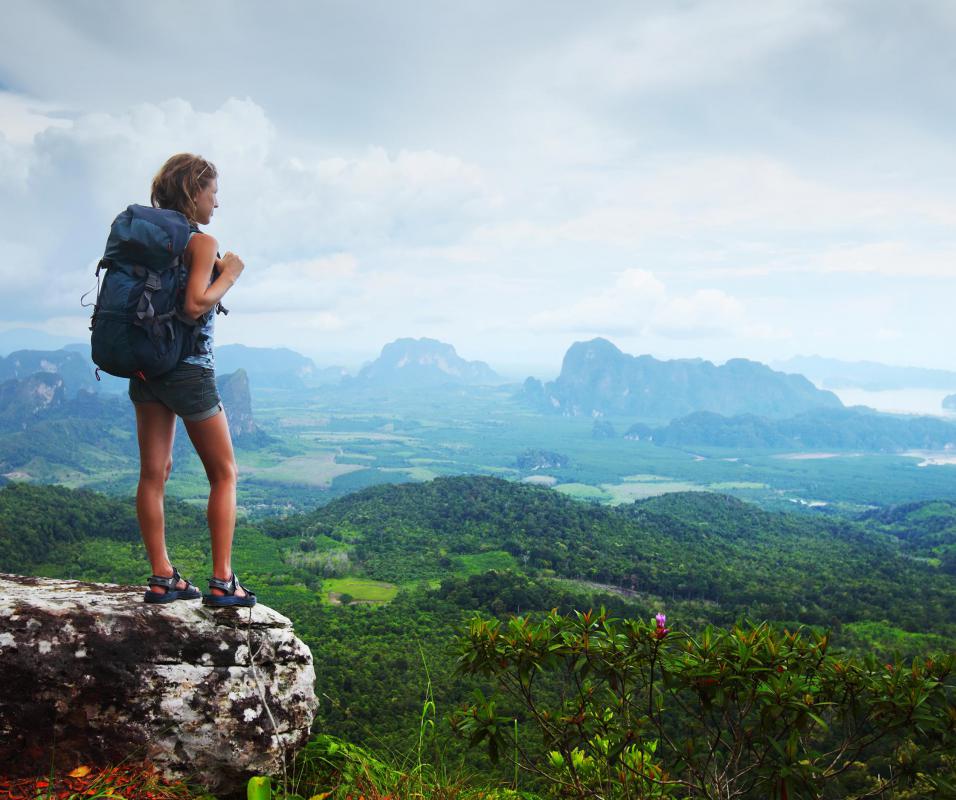
![A mountain climber's body will acclimate to high altitude with proper care.]() By: Dudarev MikhailA mountain climber's body will acclimate to high altitude with proper care.
By: Dudarev MikhailA mountain climber's body will acclimate to high altitude with proper care. -
![Symptoms of altitude sickness are similar to those of a bad hangover.]() By: WavebreakmediaMicroSymptoms of altitude sickness are similar to those of a bad hangover.
By: WavebreakmediaMicroSymptoms of altitude sickness are similar to those of a bad hangover. -
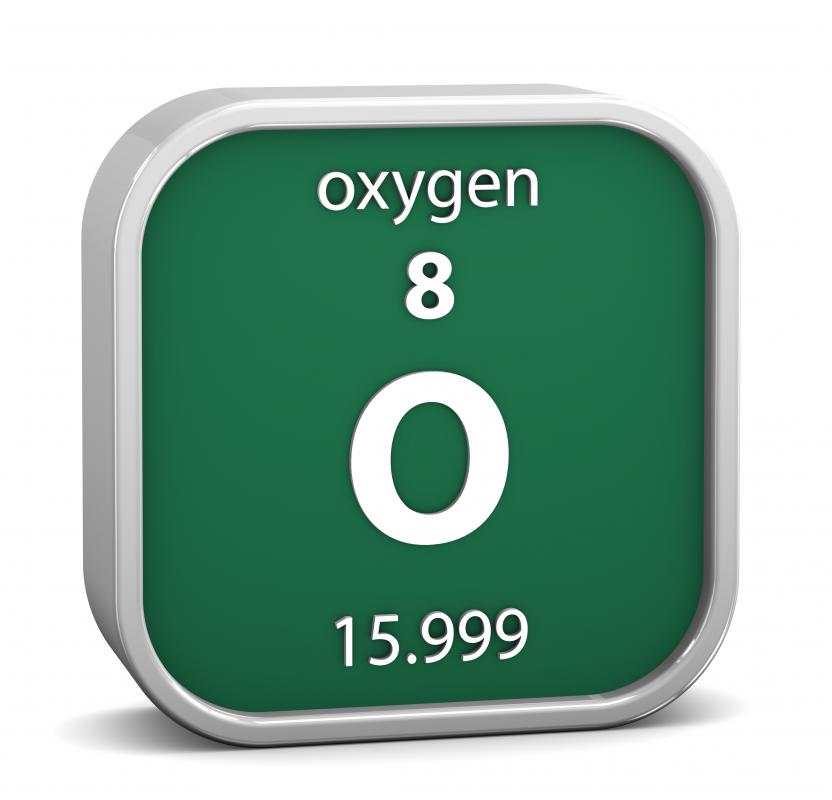
![At high altitude, a person breathes in fewer oxygen molecules with each breath.]() By: nmcandreAt high altitude, a person breathes in fewer oxygen molecules with each breath.
By: nmcandreAt high altitude, a person breathes in fewer oxygen molecules with each breath. -
![High altitude can cause insomnia.]() By: Dan RaceHigh altitude can cause insomnia.
By: Dan RaceHigh altitude can cause insomnia. -
![High altitude pulmonary edema is typically seen in mountain climbers.]() By: Alila Medical MediaHigh altitude pulmonary edema is typically seen in mountain climbers.
By: Alila Medical MediaHigh altitude pulmonary edema is typically seen in mountain climbers. -
![Hypothermia is a condition characterized by a drop in body temperature, usually due to exposure to cold weather.]() By: lunaHypothermia is a condition characterized by a drop in body temperature, usually due to exposure to cold weather.
By: lunaHypothermia is a condition characterized by a drop in body temperature, usually due to exposure to cold weather. -
![It's important for people at a high altitude to stay hydrated.]() By: science photoIt's important for people at a high altitude to stay hydrated.
By: science photoIt's important for people at a high altitude to stay hydrated. -
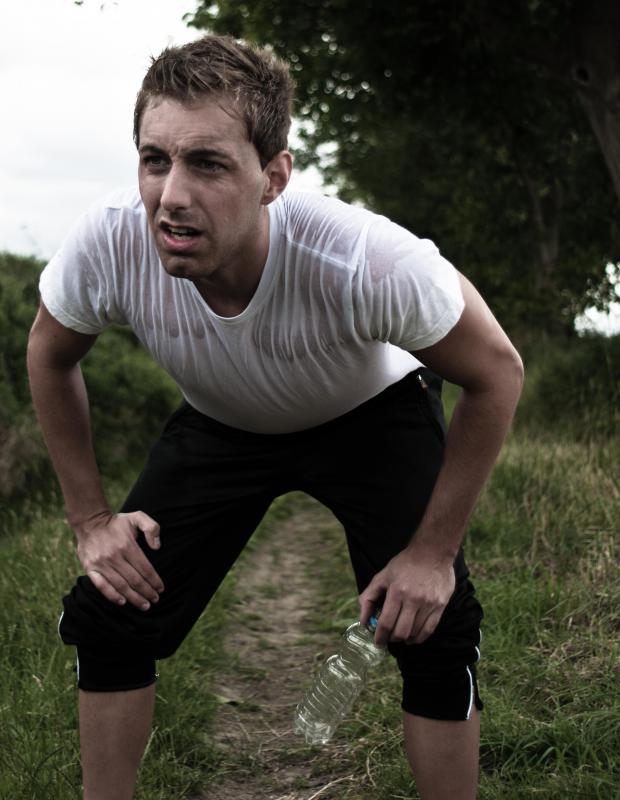
![An athlete who is training at a high altitude may experience dizziness and shortness of breath.]() By: unitypixAn athlete who is training at a high altitude may experience dizziness and shortness of breath.
By: unitypixAn athlete who is training at a high altitude may experience dizziness and shortness of breath.



Discussion Comments
Can a person bleed from the nose when reaching higher altitudes?
Will it affect periods?
Does it affect cellular respiration?
@abiane - While you're right in saying you shouldn't push yourself or others, many people actually choose to live at higher altitudes. The article is also right, however, in the statement about only living at a certain height and anything above that height shouldn't be exceeded.
Many people who are looking to set records often push themselves to the limit. This is not advised nor is it a safe situation to put yourself or others traveling with you in. In fact, many climbers looking to head into high altitude situations often take oxygen with them in order to breathe better. The fact of the matter remains, though, in that you should only travel if you are or if you are with an expert that knows the climb.
Post your comments