
At AllThingsNature, we're committed to delivering accurate, trustworthy information. Our expert-authored content is rigorously fact-checked and sourced from credible authorities. Discover how we uphold the highest standards in providing you with reliable knowledge.
How does a Flash Flood Happen?
 Michael Pollick
Michael Pollick
Michael Pollick
The weather event known as a flash flood can be especially dangerous because of its sudden formation and potential for widespread destruction. Television meteorologists routinely broadcast warnings about flash floods along with severe thunderstorm and tornado alerts. Cities located along rivers or beneath dams are especially vulnerable if the amount of water generated during a storm overwhelms protective barriers.
There are a number of factors, some natural and some man-made, that can determine whether a storm system will produce a flash flood or merely a significant amount of rain. One factor is the nature of the storm cell itself. A fast-moving squall line of thunderstorms, for example, may move through an area so quickly that the rainfall is absorbed by the ground or sewer systems and does not back up. A slow-moving independent storm system, on the other hand, may dump a great deal of rain in a small area and create the potential for flooding to develop quickly. A short, intense downburst may be preferable to a long, slow rain event.

Assuming there is a slow-moving storm system dropping a lot of rain on the area, the next factor in a flash flood is ground absorption. If the ground is frozen or covered with ice, the rainwater will not be absorbed naturally and will continue to seek lower ground. The same holds true for urban areas with significant amounts of concrete and asphalt. When the rain is blocked from getting into the ground, it will stream towards sewer systems and natural troughs. If those drainage systems or troughs become overwhelmed, it could lead to a flood.

Rivers and streams also have a natural saturation level, and if enough rain falls in a short period of time, the water will overflow into an area known as a flood plain. If a levee or dam should fail during a heavy storm, a destructive flash flood would be unleashed on anything and anyone living below it. A flood of this magnitude is often called a 100-year or 500-year flood, primarily because destruction at this level should only be expected to occur once every 100 or 500 years. This doesn't mean that a second flood of equal power won't occur the following year, however.

In short, a flash flood occurs whenever the amount of rainfall during a storm overwhelms the natural and man-made drainage and absorption systems and continues to surge through a low-lying area. This type of flooding can occur at any time, so meteorologists often advise people to remain off the streets for several hours following an intense, slow-moving storm. Run-off from storm systems further upstream may not reach an area for a few hours, which means the potential for flash flooding still exists in some places even after the rain ends.
Frequently Asked Questions
What causes a flash flood to occur?

Flash floods are typically caused by intense rainfall over a short period, often due to thunderstorms or the sudden release of water from an upstream source, like a dam break. The rapid accumulation of water exceeds the ground's absorption capacity and the drainage system's ability to disperse the water, leading to sudden flooding.
How quickly can a flash flood develop?
A flash flood can develop within minutes or hours of the causative event, such as heavy rain. According to the National Weather Service, some flash floods can occur within just 6 hours of the rain event. This rapid onset leaves little time for warning, making them particularly dangerous.
What are the typical locations at risk for flash floods?
Areas most at risk for flash floods include urban streets, where impervious surfaces prevent water absorption, dry streambeds in arid regions that can suddenly fill with water, and areas near rivers or streams. Low-lying areas, canyons, and burn scars from recent wildfires are also particularly susceptible to flash flooding.
Can flash floods be predicted?

While meteorologists can forecast conditions that may lead to flash flooding, predicting the exact location and severity is challenging due to the localized nature of the events. However, advancements in weather radar technology and hydrological models have improved flash flood warnings, giving residents in vulnerable areas more time to prepare or evacuate.
What is the difference between a flash flood and a regular flood?
The primary difference between a flash flood and a regular flood is the speed at which it occurs. Flash floods happen with little warning, usually within 6 hours of the rain event, and can be extremely violent. Regular floods, on the other hand, may develop over days or weeks as water bodies gradually rise, often due to prolonged rain or snowmelt.
How can I stay safe during a flash flood?
To stay safe during a flash flood, always heed evacuation orders and flash flood warnings. Avoid walking or driving through floodwaters, as just 6 inches of moving water can knock a person down, and one foot of water can sweep a vehicle away. Stay informed through local news and weather apps, and have an emergency plan in place.
Michael Pollick
A regular AllThingsNature contributor, Michael enjoys doing research in order to satisfy his wide-ranging curiosity about a variety of arcane topics. Before becoming a professional writer, Michael worked as an English tutor, poet, voice-over artist, and DJ.
Learn more...
Michael Pollick
A regular AllThingsNature contributor, Michael enjoys doing research in order to satisfy his wide-ranging curiosity about a variety of arcane topics. Before becoming a professional writer, Michael worked as an English tutor, poet, voice-over artist, and DJ.
Learn more...AS FEATURED ON:
AS FEATURED ON:









-
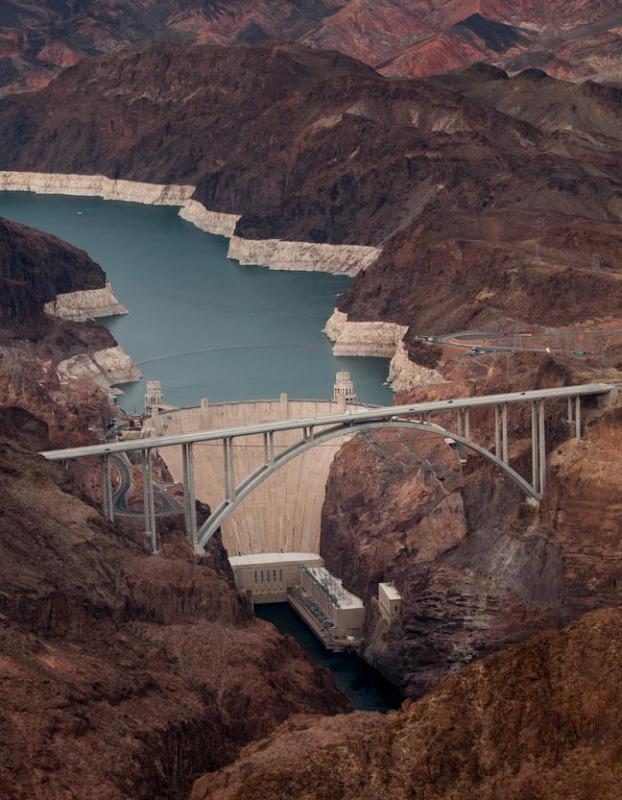
![Many hydroelectric dams, such as the Hoover Dam, also serve to contain flash floods.]() By: William WarbyMany hydroelectric dams, such as the Hoover Dam, also serve to contain flash floods.
By: William WarbyMany hydroelectric dams, such as the Hoover Dam, also serve to contain flash floods. -
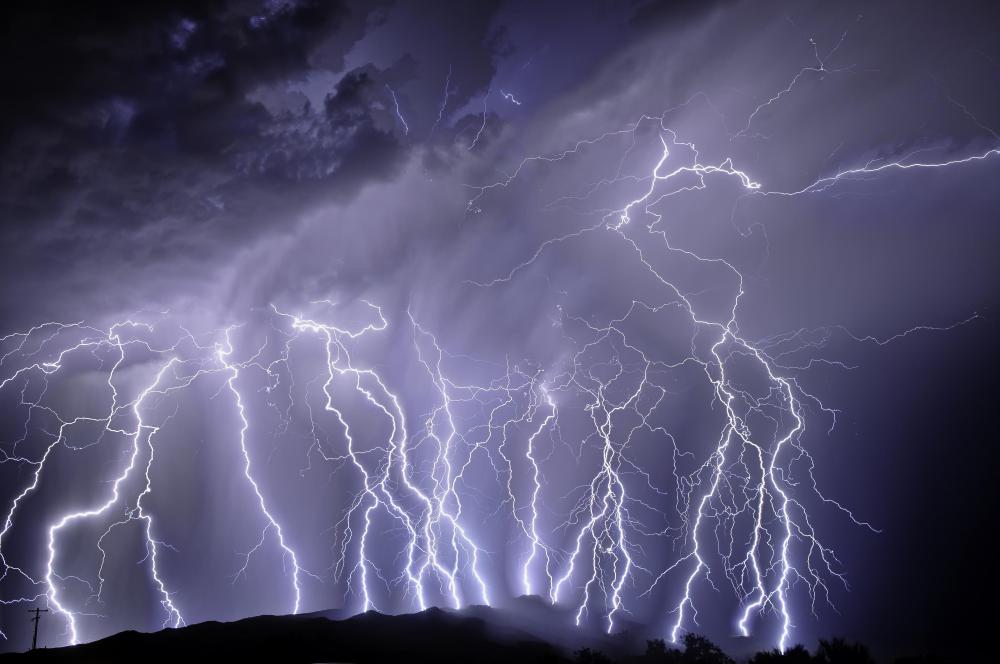
![Flash flooding may occur during a severe thunderstorm.]() By: valdezrlFlash flooding may occur during a severe thunderstorm.
By: valdezrlFlash flooding may occur during a severe thunderstorm. -
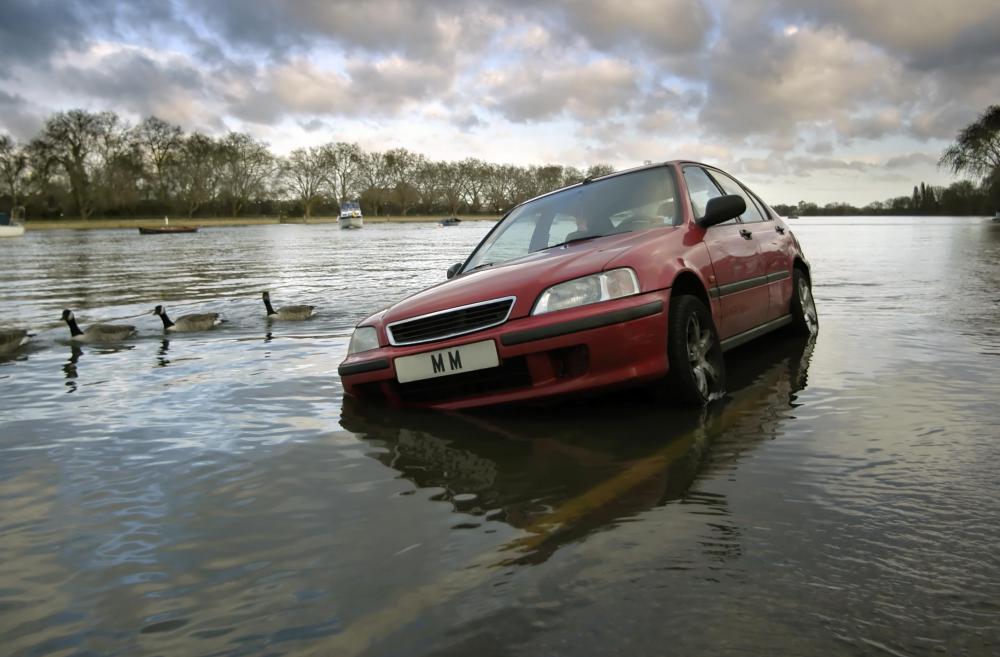
![Flash flooding can create dangerous road conditions.]() By: Anthony HallFlash flooding can create dangerous road conditions.
By: Anthony HallFlash flooding can create dangerous road conditions. -
![A fast-moving squall line of thunderstorms may be preferable to a slow-moving storm system.]() By: WirepecA fast-moving squall line of thunderstorms may be preferable to a slow-moving storm system.
By: WirepecA fast-moving squall line of thunderstorms may be preferable to a slow-moving storm system. -
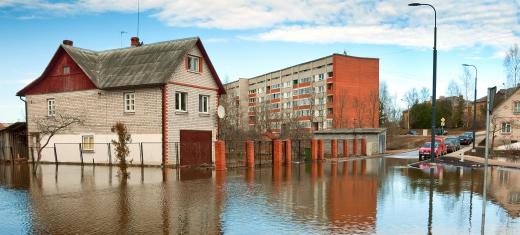
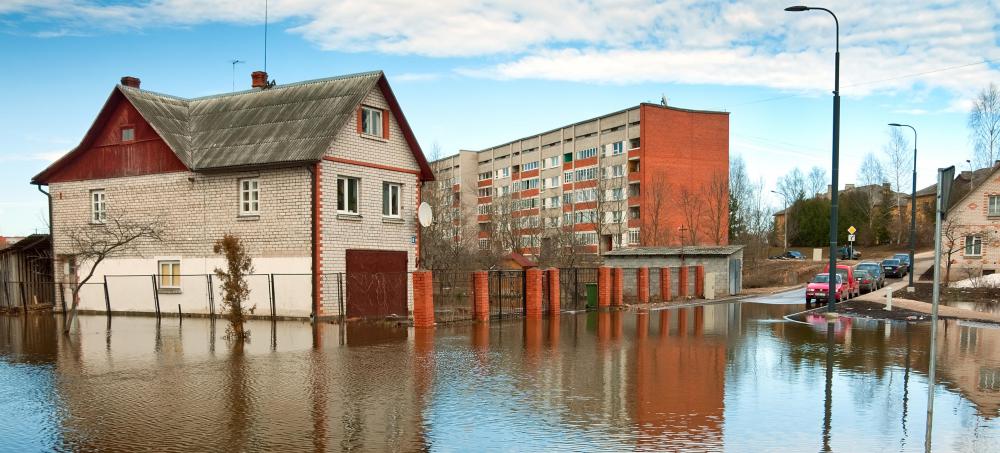
![In flash floods, heavy rains or other waters quickly submerge low-lying areas.]() By: Jaroslavs FilshIn flash floods, heavy rains or other waters quickly submerge low-lying areas.
By: Jaroslavs FilshIn flash floods, heavy rains or other waters quickly submerge low-lying areas. -
![In some instances, flash floods caused by rainfall may begin to subside after the rain stops without posing too much danger to inhabitants of the area.]() By: Ronald HudsonIn some instances, flash floods caused by rainfall may begin to subside after the rain stops without posing too much danger to inhabitants of the area.
By: Ronald HudsonIn some instances, flash floods caused by rainfall may begin to subside after the rain stops without posing too much danger to inhabitants of the area.


Discussion Comments
According to the National Weather Service, flash floods claim more victims every year than nearly any other severe weather event. Most of those fatalities occur when people try to drive through flood waters (hence the NWS slogan "Turn around; don't drown) and an overwhelming majority of those drivers are males.
Many people do not know that water over a car's hubcaps can sweep it away. Even big pickups and SUVs are vulnerable to flood waters.
Most of the time, the local Weather Service office will issue a flash flood watch if they consider it likely these floods may occur, so residents can be prepared.
Post your comments