
At TheHealthBoard, we're committed to delivering accurate, trustworthy information. Our expert-authored content is rigorously fact-checked and sourced from credible authorities. Discover how we uphold the highest standards in providing you with reliable knowledge.
How do I Use Psyllium for Constipation?
There are several ways to use psyllium for constipation, but the most common method usually involves swallowing a capsule that has been prepared specifically as a dietary supplement. Capsules should usually be taken every few hours with plenty of water, and will typically stimulate a bowel movement anywhere from 24 to 72 hours after ingestion. Loose psyllium powder can also be sprinkled on food or mixed into juice or other beverages, and many wheat-based products like cereals and breads feature it as an ingredient, often in an effort to boost the overall fiber count of the food at issue. The actual using of it is fairly straightforward — it needs to be swallowed — but timing and measuring doses is where things can get trickier. Results are typically slow, and impatience that leads to taking too much can cause gas and bloating. It’s also usually important to drink a lot of water with psyllium so that it is able to process properly through your bowels. If it isn’t sufficiently hydrated it might actually make your constipation worse
.
Psyllium Basics

The term “psyllium” is usually used to describe the seed or husk of plants in the scientific genus Plantago, which includes a number of different species. The husk basically acts as a bulk fiber. It can’t be digested by humans and so passes through the intestinal tract and can add bulk to stools forming there. It is a common constipation remedy because it is all natural and, when used correctly, doesn’t cause irritation or other side effects.
Importance of Water

Psyllium for constipation works primarily because the fiber introduces water-holding bulk to the stool. The mucilage of the psyllium husk acts like a lubricant in the digestive tract while it swells to hold several times its own weight in water. For this reason, though, it is very important to drink a lot of water with each dose, usually a full glass or more. People who are dehydrated may find that the husk tries to rob water from already compacted stool, which can make constipation even worse.

Using the husk in moderation is key for the same reason. Psyllium isn’t usually considered a rapid cure for constipation, and it often takes a day or two to really kick in. It isn’t usually a good idea to boost your dosage if you aren’t getting results right away, because taking too much can overwhelm your bowels and can worsen the condition just as if you were taking the husks without adequate water.
Taken as a Supplement

Many over-the-counter and natural remedies for constipation rely on psyllium granules, either in whole or in part. One of the most common options comes in capsule form. In these cases it’s important to read the manufacturer’s directions and instructions for use; the labeling will usually tell you how much to take, at what intervals, and how much water to consume along the way.
Mixed Into Drinks

Loose psyllium powder can also be mixed into drinks. This is often a good option for people who can’t or who don’t like swallowing pills. Some loose powders are pre-made into drink mixes and are designed to dissolve as easily as possible, and these options are often easy to blend into juice or water. Chunkier, grainier mixes can be more difficult to prepare this way, but adding the flakes to smoothies or milkshakes can make them more palatable. Again, though, it’s important to pay close attention to dosing instructions so as get enough while not overdoing it. It can be tempting to load a drink with fiber supplementation, but this isn’t usually any more effective than simply taking the recommended amount.
Sprinkled on Food

Another way to use psyllium for constipation is to sprinkle the crushed husk over food; serving it over yogurt, mixed into a salad, or combined with breakfast cereal are some of the more popular preparations. It can also be baked into breads and cookies, though this is usually a tactic employed to increase bulk and improve dough consistency rather then relieve constipation. The amount of raw husk that would be required per cookie to ease intestinal distress would probably detract immensely from the confection’s expected taste and texture. When the additive is used in baking it’s more often because of the husk’s general health benefits — lower cholesterol and blood pressure among them — more than relief from immediate problems like constipation.
AS FEATURED ON:
AS FEATURED ON:


-
![Psyllium husk.]() By: MarekPsyllium husk.
By: MarekPsyllium husk. -
![Psyllium can help move waste through the digestive tract, relieving constipation.]() By: rob3000Psyllium can help move waste through the digestive tract, relieving constipation.
By: rob3000Psyllium can help move waste through the digestive tract, relieving constipation. -
![Occasional constipation is generally no cause for concern.]() By: Africa StudioOccasional constipation is generally no cause for concern.
By: Africa StudioOccasional constipation is generally no cause for concern. -
![Performing gentle exercises during pregnancy may help treat and prevent constipation.]() By: evgenyatamanenkoPerforming gentle exercises during pregnancy may help treat and prevent constipation.
By: evgenyatamanenkoPerforming gentle exercises during pregnancy may help treat and prevent constipation. -
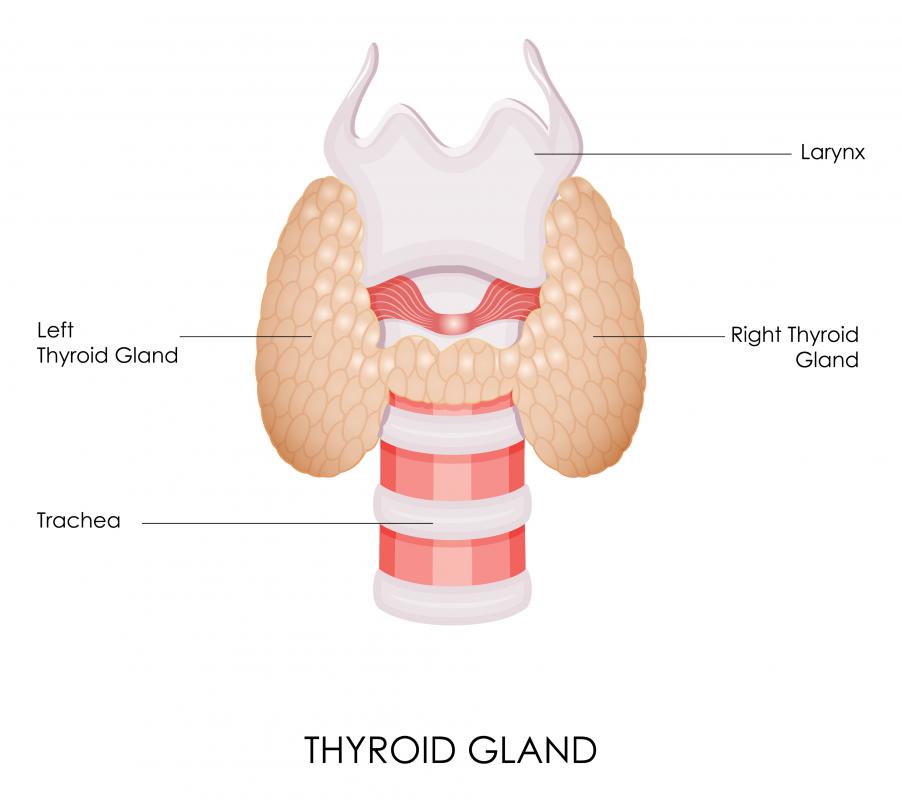
![Frequent constipation may be a sign of hypothyroidism.]() By: stockshoppeFrequent constipation may be a sign of hypothyroidism.
By: stockshoppeFrequent constipation may be a sign of hypothyroidism. -
![Prolonged constipation may cause unintentional weight loss.]() By: LsantilliProlonged constipation may cause unintentional weight loss.
By: LsantilliProlonged constipation may cause unintentional weight loss. -
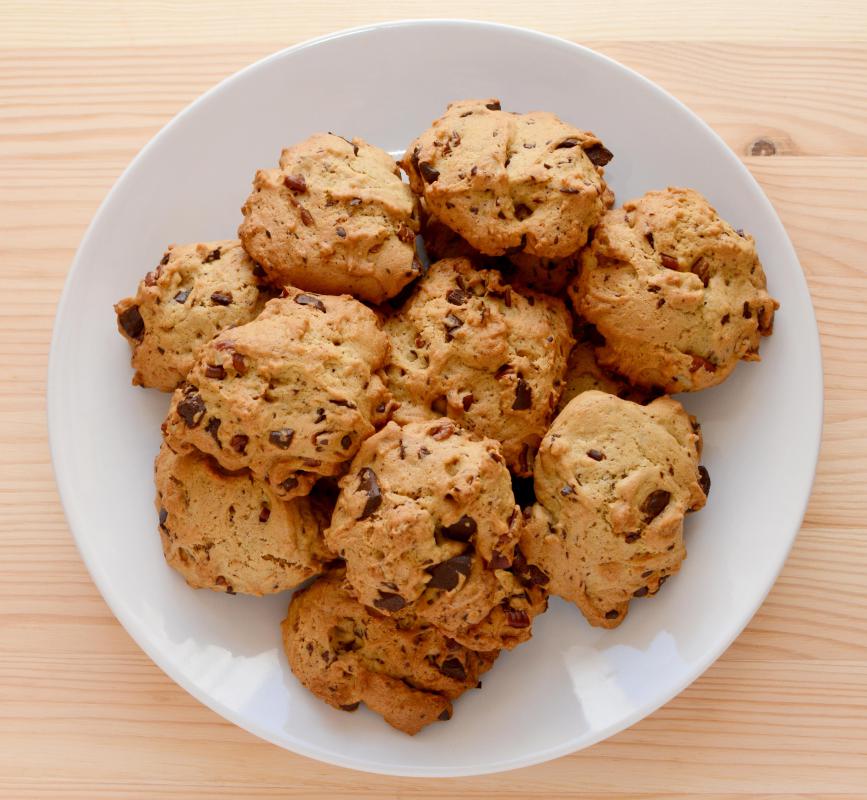
![Psyllium is frequently used in gluten-free cookies and other baked goods because of its ability to help the products remain moist.]() By: sarahdoowPsyllium is frequently used in gluten-free cookies and other baked goods because of its ability to help the products remain moist.
By: sarahdoowPsyllium is frequently used in gluten-free cookies and other baked goods because of its ability to help the products remain moist.



Discussion Comments
When I use psyllium for constipation, I sprinkle a little bit of it on salads, twice a day. I like having it with salad because the fiber and water content in the salad is also helpful for constipation. Psyllium can be taken in different ways though. My sister grinds it very thin and adds it to her orange juice.
The issue with psyllium is that it takes a while to work because it has to go through the digestive system. So it's a good idea to start taking it as soon as constipation is suspected. Those experiencing constipation frequently might want to take a little bit daily to keep things regular.
@Certlerant-- I have never used psyllium for diarrhea. I agree with the other comment, that you would want to drink the same amount of water. The cause of diarrhea is not too much water, there are different possible causes.
I think that psyllium is more popular for constipation and it works very well for it. I don't use laxatives and medications because they are habit forming and cause more constipation in the long term. The bowels become reliant on the stimulation from these medications. But psyllium is completely natural and has no side effects.
I have diabetes too, so psyllium is the best constipation treatment for me.
The number one rule for using psyllium to treat constipation is to drink a lot of water.
The treatment will not work if plenty of water is not taken with it because it work by pulling water into the bowels as the article said. Also, taking a lot of psyllium without enough water might cause some mild dehydration since some water leaves the water with the psyllium husk.
@Certlerant - Talk to your doctor for clarification, but you probably want to drink the same amount of water as you would when taking psyllium for constipation.
Diarrhea can be caused by a lot of things, but is usually related to a virus or your stomach's reaction to a specific food you have eaten.
In addition to taking the supplement to help, water will flush any toxins out of your body faster and probably help with any related stomach pain.
Shouldn't psyllium be taken with less water if you are trying to alleviate diarrhea? It seems like the problem there is that no enough bulk is being formed.
Post your comments