
At TheHealthBoard, we're committed to delivering accurate, trustworthy information. Our expert-authored content is rigorously fact-checked and sourced from credible authorities. Discover how we uphold the highest standards in providing you with reliable knowledge.
How do I Treat Fibroid Tumor Symptoms?
This medical condition is a noncancerous growth in a woman's uterus. They are also sometimes called myomas, leiomyomas, or fibromyomas. Your doctor may recommend that you do not treat fibroid tumor symptoms. In most cases, uterine fibroids do not require medical care, only monitoring. More serious incidences may require medications or even surgery, however.
Uterine fibroids often do not cause any symptoms. Many women have them at some point in their lives, but they may not even realize it. When they do cause symptoms, the patient may notice heavy and prolonged menstrual bleeding, pelvic pain, and frequent or difficult urination. Other signs may include constipation, backache, and even leg pains.
If the fibroid becomes deprived of nutrients, it will start to die. This process may cause sharp pain. Some women may also have a fever. See your doctor as soon as possible if you suffer from acute pain or become feverish.

The way in which you might treat fibroid tumor symptoms will vary. It depends on your symptoms, how severe they are, and the type of treatment you feel comfortable undergoing. Mild discomfort may be addressed with medications, such as acetaminophen or ibuprofen.
Talk to your doctor about the possibility of using birth control pills to treat fibroid tumor symptoms. Low-dose pills may help manage heavy periods. Another possibility is gonadotropin releasing hormone agonists, which may help shrink the fibroids and offer temporary symptom relief.

Consider taking androgens to treat fibroid tumor symptoms. Androgens are hormones that may help relieve discomfort. A synthetic hormonal drug, Danazol, may also offer relief. Ask your doctor about all possible side effects and interactions before taking any medications.
Severe uterine fibroids may be treated with surgery, such as a myomectomy. The surgeon will remove the fibroids, but leave the uterus intact. There is a chance that the growths will come back. Women who do not wish to bear children may consider a hysterectomy. Removing the uterus eliminates the possibility of returning tumor growths.

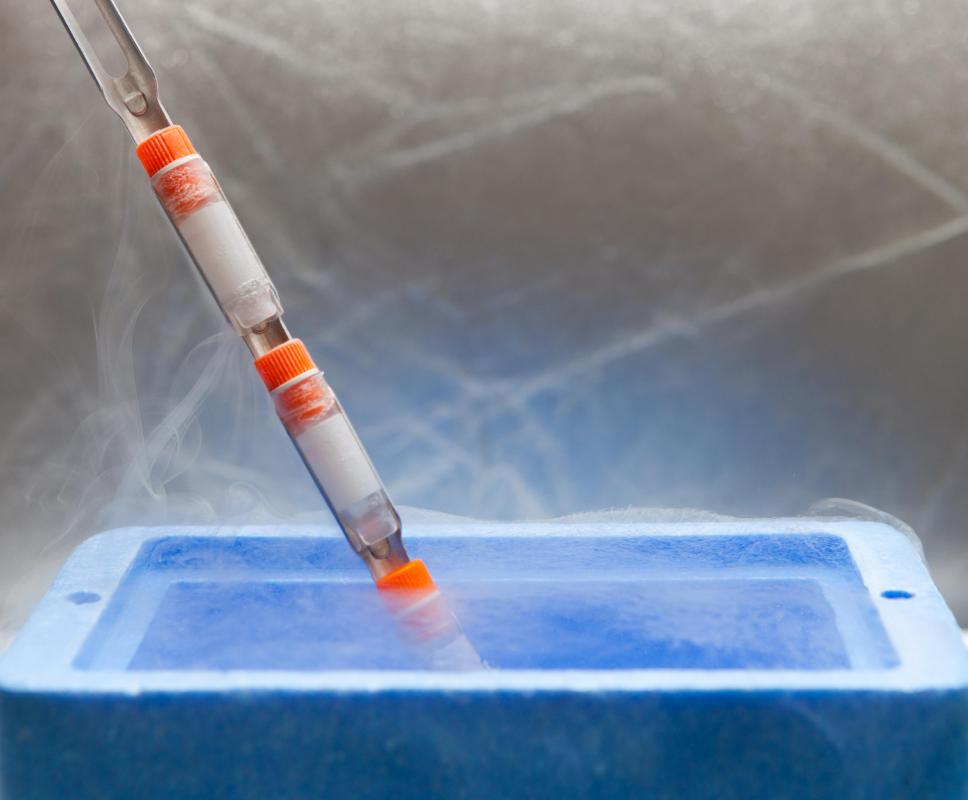
There are a few other surgical options to treat fibroid tumor symptoms. Endometrial ablation, in which the lining of the uterus is destroyed, is one possibility. This approach will be ineffective in treating fibroids that are located outside the interior lining. With another method, cryomyolysis, the surgeon will freeze the fibroids with liquid nitrogen, however, as of 2010 the effectiveness and safety of this procedure is unknown. Before undergoing any surgical procedure, the patient should fully understand the risks.
AS FEATURED ON:
AS FEATURED ON:


-
![Birth control pills may help treat fibroid tumor symptoms.]() By: Kimberly ReinickBirth control pills may help treat fibroid tumor symptoms.
By: Kimberly ReinickBirth control pills may help treat fibroid tumor symptoms. -
![Uterine fibroids are tumors that grow in the uterus.]() By: blueringmediaUterine fibroids are tumors that grow in the uterus.
By: blueringmediaUterine fibroids are tumors that grow in the uterus. -
![Some OB/GYNs prescribe androgens to help mitigate the symptoms of fibroid tumors.]() By: ryanking999Some OB/GYNs prescribe androgens to help mitigate the symptoms of fibroid tumors.
By: ryanking999Some OB/GYNs prescribe androgens to help mitigate the symptoms of fibroid tumors. -
![Many women have uterine fibroids without feeling any symptoms.]() By: rob3000Many women have uterine fibroids without feeling any symptoms.
By: rob3000Many women have uterine fibroids without feeling any symptoms. -
![During cryomyolysis, a surgeon freezes fibroids with liquid nitrogen.]() By: markaraDuring cryomyolysis, a surgeon freezes fibroids with liquid nitrogen.
By: markaraDuring cryomyolysis, a surgeon freezes fibroids with liquid nitrogen. -
![Pelvic pain and cramping are common symptoms of uterine fibroid tumors.]() By: michaeljungPelvic pain and cramping are common symptoms of uterine fibroid tumors.
By: michaeljungPelvic pain and cramping are common symptoms of uterine fibroid tumors. -
![Mild pain from fibroid tumors can be treated with ibuprofen.]() By: Dennis KennedyMild pain from fibroid tumors can be treated with ibuprofen.
By: Dennis KennedyMild pain from fibroid tumors can be treated with ibuprofen.




Discussion Comments
Post your comments