
At TheHealthBoard, we're committed to delivering accurate, trustworthy information. Our expert-authored content is rigorously fact-checked and sourced from credible authorities. Discover how we uphold the highest standards in providing you with reliable knowledge.
How do I Treat a Swollen Elbow?
A swollen elbow may be caused by injuries, tendinitis, arthritis, or bursitis. Elbow swelling can be extremely painful and cause the joint to become stiff and tight, and it may even cause significant limitations in a person's range of motion in serious cases. Typically, ice is used to treat a swollen elbow at the first sign of injury or inflammation. Other treatments may include anti-inflammatory medications, rest, splints or other support devices, and in severe cases, surgery.
Anti-inflammatory medications are often use to help reduce swelling in the elbow. These medications usually work quickly to reduce the inflammatory process and relieve discomfort. Occasionally, swollen elbow pain may be so severe that a medical professional may recommend prescription analgesic medications. Frequently, however, these medications are codeine-based, and although they are highly effective in treating pain, they may cause significant side effects.

Generally, rest is also recommended to treat a swollen elbow. Normally, this is an effective treatment in relieving inflammation because it eliminates pressure that is put on the hand. It often can be difficult for a patient to keep his arm at rest, however, and braces and splints can helpful tools to immobilize the affected elbow, thereby reducing the risk of further injury or swelling. Another alternative is wearing a sling, which can allow your the elbow to heal and decrease the risk of a further damage.

Usually, it is not a good idea to massage or apply direct pressure to your swollen elbow in an effort to relieve pain or swelling, since this may make symptoms worse. Occasionally, if a swollen elbow does not respond to other treatments, a medical professional may attempt to drain fluid that has collected in the joint. Typically, this fluid is caused by bursitis, which is inflammation of the bursa, a sac of synovial fluid in the joint. Draining it may greatly reducing swelling in the elbow.

Occasionally, the standard efforts to treat a swollen elbow may be ineffective. When the patient is not responding to non-invasive treatments, a healthcare professional may recommend surgery, including possibly removing the affected bursa. Often, elbow surgery is performed on an outpatient basis; the patient may require an inpatient stay and general anesthesia, however, if the surgical procedure is anticipated to be more extensive.
AS FEATURED ON:
AS FEATURED ON:


-
![A swollen elbow may be the result of an injury.]() By: Daddy CoolA swollen elbow may be the result of an injury.
By: Daddy CoolA swollen elbow may be the result of an injury. -
![Anti-inflammatory medications may help treat a swollen elbow.]() By: Nenov BrothersAnti-inflammatory medications may help treat a swollen elbow.
By: Nenov BrothersAnti-inflammatory medications may help treat a swollen elbow. -
![Rest is recommended to treat a swollen elbow.]() By: WavebreakMediaMicroRest is recommended to treat a swollen elbow.
By: WavebreakMediaMicroRest is recommended to treat a swollen elbow. -
![A sling may be worn to treat a swollen elbow.]() By: waxartA sling may be worn to treat a swollen elbow.
By: waxartA sling may be worn to treat a swollen elbow. -
![An allergic reaction can occasionally cause elbow swelling.]() By: Monkey BusinessAn allergic reaction can occasionally cause elbow swelling.
By: Monkey BusinessAn allergic reaction can occasionally cause elbow swelling. -
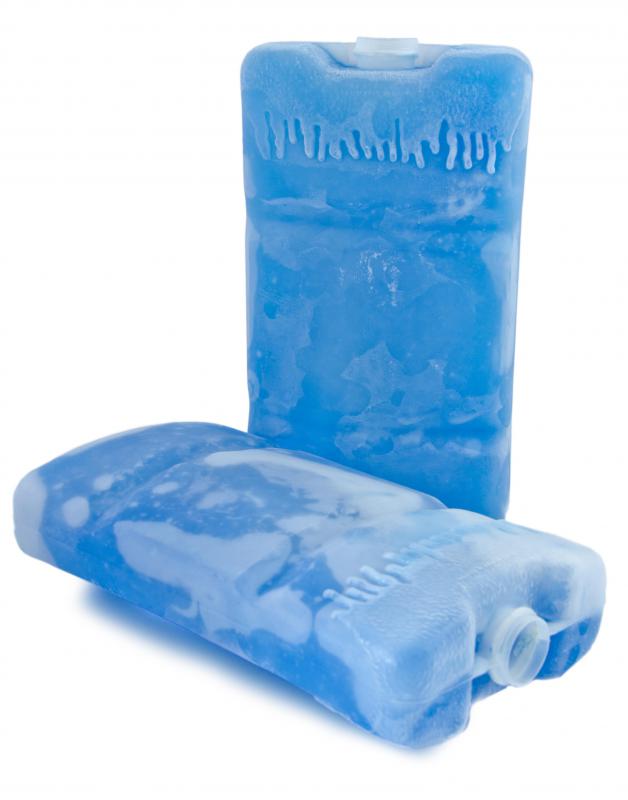
![An ice pack can help with swollen elbow pain.]() By: michelaubryphotoAn ice pack can help with swollen elbow pain.
By: michelaubryphotoAn ice pack can help with swollen elbow pain. -
![Rubbing or applying any pressure to a swollen elbow is not a good way to relieve pain.]() By: Konstantin YuganovRubbing or applying any pressure to a swollen elbow is not a good way to relieve pain.
By: Konstantin YuganovRubbing or applying any pressure to a swollen elbow is not a good way to relieve pain.






Discussion Comments
I had the swelling in my right elbow and wore an elastic brace for a few days and it went away. Now I have it in my left arm and hope it will again work. I think I banged my elbow a few days ago.
Excessive weight lifting can also put strain on the muscles and ligaments around the elbows, causing swelling.
I just learned recently that just how outer elbow pain is often a sign of tennis elbow, inner elbow pain is often a sign of "golfer's elbow".
I had never heard of that, but apparently is happens just like tennis elbow -- overusing or misusing the muscles and ligaments on the inside of your elbows, often by repetitive movements like those in golfing.
Tennis elbow is one of the most common causes of swollen elbows.
Caused by an injury to the muscles or tendons on the outside of the elbow, tennis elbow usually develops slowly.
It is characterized by pain when trying to grip or lift things, pain in the elbow at night, and the inability to straighten out the arm.
Although there is no cure, there are many treatment options -- most commonly, an elbow brace, lifestyle modification, and in more serious cases, steroid injections and surgery.
Post your comments