
At HomeQuestionsAnswered, we're committed to delivering accurate, trustworthy information. Our expert-authored content is rigorously fact-checked and sourced from credible authorities. Discover how we uphold the highest standards in providing you with reliable knowledge.
How do I Repair Cracks in Walls?
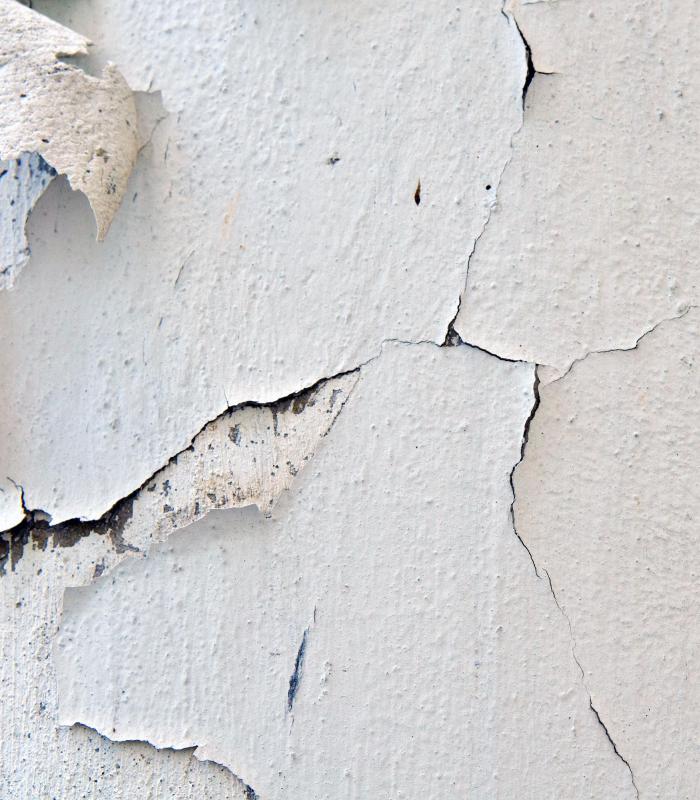
Whether your walls are plaster, drywall, or concrete, fixing small to medium cracks typically requires just a few tools and simple instructions. Cracks result when a wall moves and are usually due to the house settling; the building materials in a house expand and contract due to temperature changes, and the soil under the house can shift, both of which can cause cracks. Most are cosmetic problems that you can repair using a putty or epoxy filler of some kind. Cracks that are especially wide or that show up again, however, should be diagnosed and repaired by professional contractors, as these may indicate serious structural damage.
Determine the Wall Type

The first step to repair cracks in walls is to determine what the cracked wall is made of. Whether you are dealing with a concrete wall, a plaster wall, or drywall — also called sheetrock, plasterboard, or wallboard — affects the way you should go about fixing the crack. Generally, only older homes are finished with plaster, a gooey substance carefully spread onto closely-spaced, horizontal slatted boards called lathes. Drywall is usually made of gypsum plaster sandwiched between two pieces of paper, and can be found throughout a house; you will typically find concrete walls in basements. One way that you may see a difference is that plaster and concrete often chip and crumble if you try to hammer a nail into them, but drywall usually will not.
Fixing Cracks in Plaster

A crack in a plaster wall is often the result of the plaster pulling away from the lathes. To fix the crack, you will need to reattach the plaster to the underlying wood slats. This is usually done by injecting an adhesive behind the plaster. To fix a crack in this kind of wall, you will need the following:
- plaster adhesive
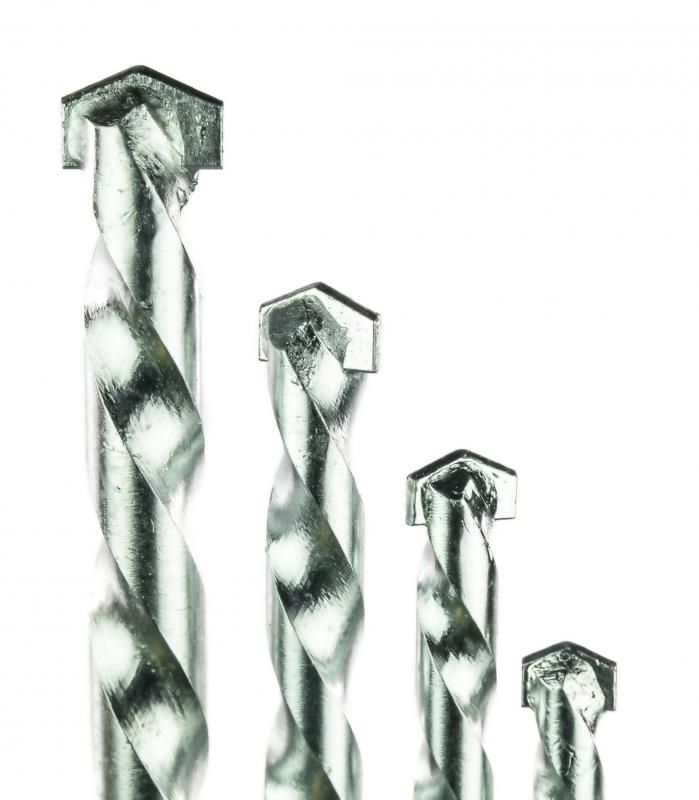
- a drill with a masonry bit
- a shop vacuum
- liquid conditioner
- a caulking gun
- flat plaster rings with screws
- a putty knife
- joint compound
- sandpaper
- primer and paint

The first step is to drill shallow holes on each side of the crack using a masonry bit. It is important to only drill through the plaster and not through the wooden slats underneath or the spaces between them. If you do drill between slats, simply mark those holes and do not fill them with adhesive. Once the holes have been drilled, clear away any dust using a vacuum. Then spray liquid conditioner — often packaged with the plaster adhesive — into the holes.
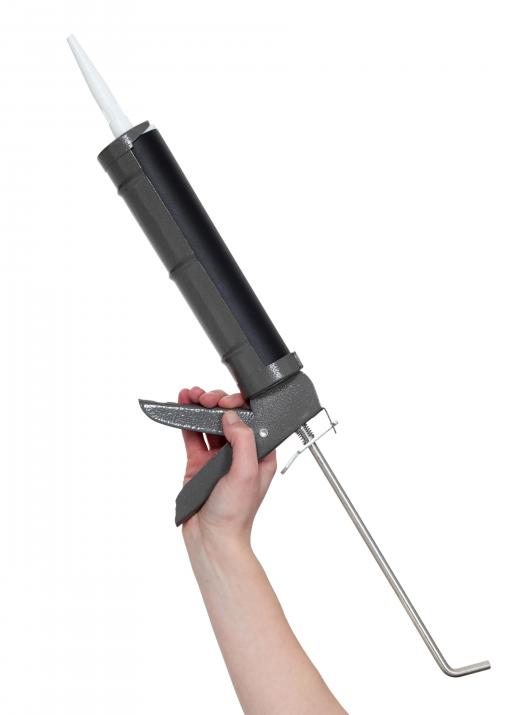
Fill the holes with adhesive using a caulking gun. Screw the plastic plaster rings into the crack and through the lathes underneath to hold the plaster and lathe together tightly, and allow the adhesive to set overnight. The next day, remove the rings and scrape off any tags or high points using a putty knife. Then apply a thin layer of joint compound to fill the cracks and any depressions. Allow the compound to dry, then sand, prime, and paint.
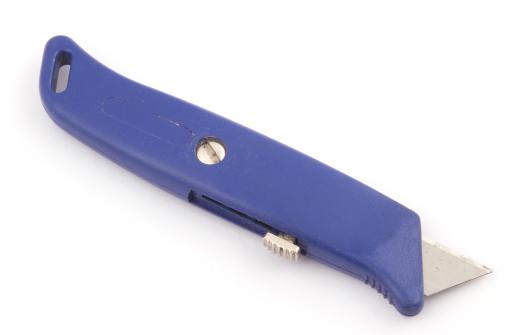
Superficial cracks in plaster walls can often be fixed with spackling or joint compound. After cleaning the dust from the crack, and putty knife can be used to fill it in with the compound, being sure to blend the edges in with the surrounding wall. It can then be sanded, primed, and painted. While this method works for small cracks, it may not provide a long-term solution if the plaster is pulling away from the slats.
Fixing Cracks in Drywall
To repair cracks in walls made of drywall usually requires these tools:
- a utility knife
- a paintbrush or vacuum
- spackling compound or joint compound
- a putty knife
- sandpaper and a sanding block
- primer and paint
For large cracks, patching tape may be needed. If the drywall on one side of the crack feels loose, it may need to be secured to the underlying studs using a hammer and nails.

The first step to repair cracks in walls made of drywall is to use a utility knife to widen the crack slightly. This gives the spackling or joint compound a larger surface to adhere to. Once you have widened the crack, clean the dust and other debris out of the crack using a paintbrush or vacuum.
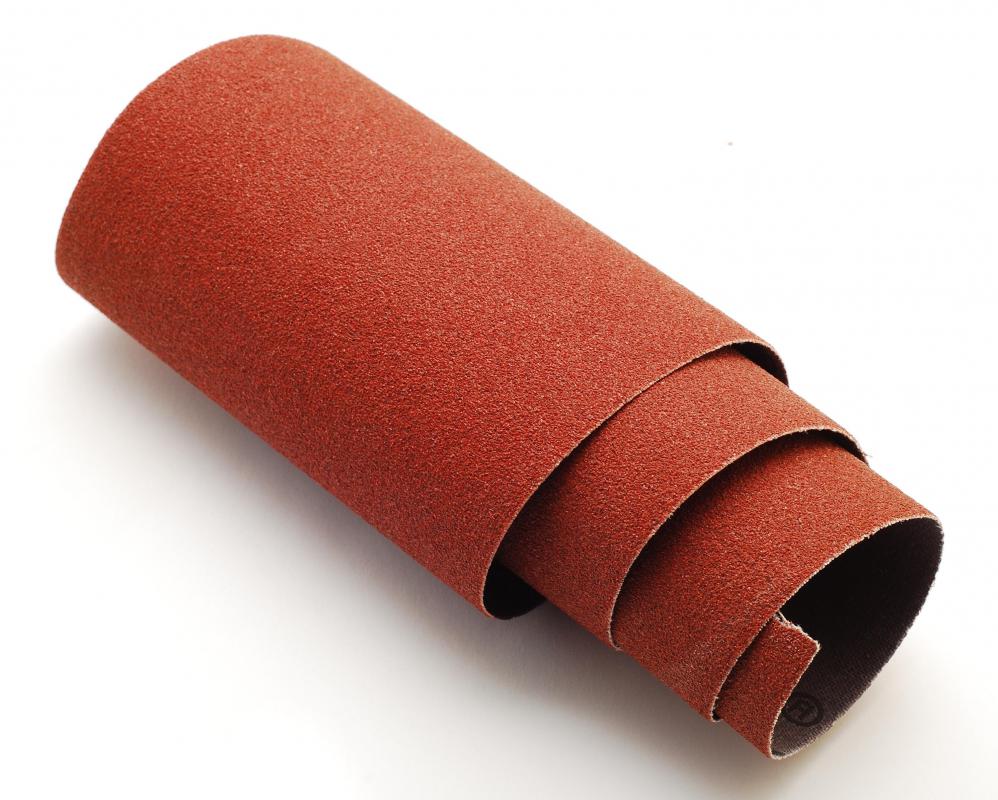
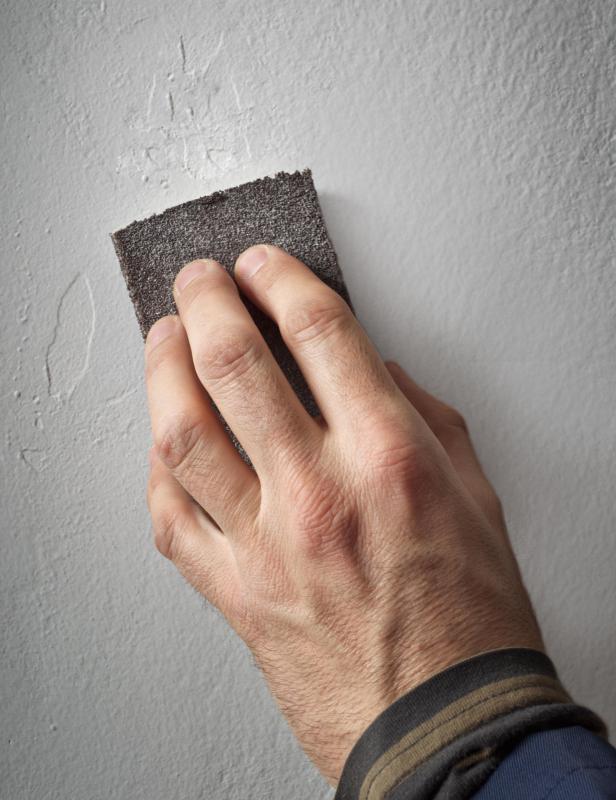
Next, roughly fill the hole with compound, making sure to feather the edges beyond the crack to produce a flat, even surface, and allow it to dry. Sand the area with a very fine-grit sandpaper rated for use with drywall. Using a sanding block or piece of scrap wood under the sandpaper will make a flat surface and help you avoid creating trenches or dips on the wall. If needed, apply a second coat of compound, allow it to dry, and sand again. Once the surface is flush with the rest of the wall, apply primer and paint.

To repair very wide cracks in walls, you may need a little more structure to make the repair stick properly. This is where patching tape, also called mesh tape or joint tape, comes in handy. Fill in the crack with compound, using strokes perpendicular to the crack. While the compound is still wet, cover the crack with tape, then apply another thin layer of compound to help it to stick in place. Once the compound is dry, sand and finish the area.
Fixing Cracks in Concrete
Concrete walls are often repaired using an epoxy injection system, which has the benefit of keeping out moisture, bugs, and other pests. You will also need the following:
- a wire brush
- a hammer and nails
- injection ports (usually supplied with the epoxy)
- sealing paste (usually supplied with the epoxy)
- a putty knife
- a caulking gun
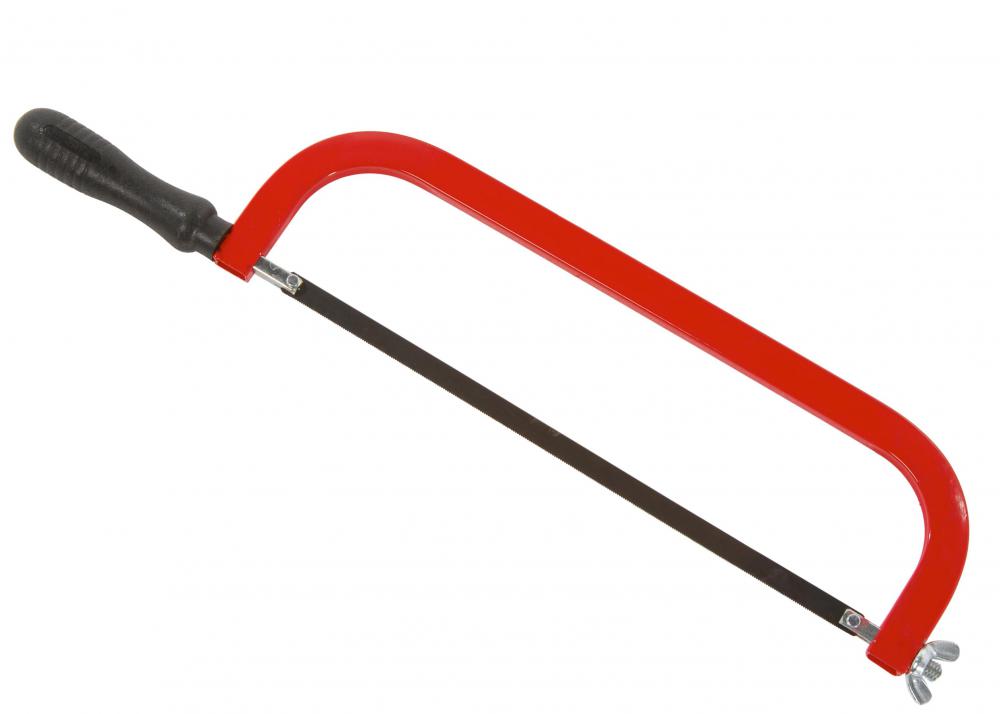
- a hacksaw
It is important that the crack be dry and free of debris before beginning. A wire brush works well to clear away dirt, and a hair dryer can be used to dry the area.

First, align the epoxy injection ports; these are small plastic tubes that allow you to pump the epoxy inside the crack after the surface is sealed. This is done by pounding thin nails partway into the crack spaced about 1 foot (30.48 cm) apart, then slipping an injection port with a small amount of epoxy on the back over the nail, which holds it in place. Cover the crack with the sealing paste, creating a seal that will hold the the epoxy to be injected later. Make sure the area around the port is covered completely, but don't block the opening. If the crack goes all the way through the wall, be sure to seal both sides.

Once the seal has cured — usually after a day or two — you can remove the nails. Use a caulking gun to inject the epoxy into the crack, starting at the lowest injection port. You will know that you've injected enough epoxy when you can see it begin to ooze from the port above. Plug the port and move to the one above it, injecting more epoxy, until the entire crack has been filled. The epoxy usually needs a few days to cure, after which you can use a hacksaw to cut away the tops of the ports.
When to Call a Professional

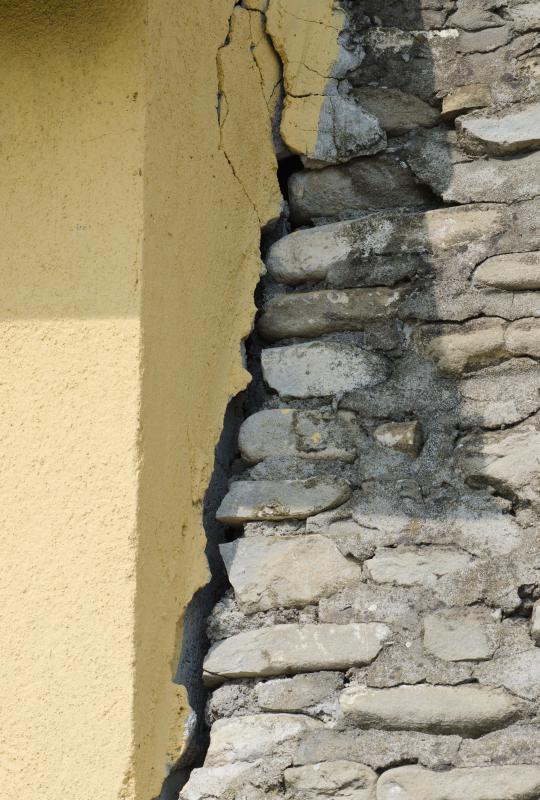
If, after you repair cracks in walls, they reappear, get bigger, or are joined by cracks in other parts of the wall, ceiling, or foundation, it may be a sign of a larger problem. The structural integrity of your house might be compromised, so it's a good idea to consult a general contractor who can diagnose the cause. He or she may find that you require extensive repairs to the frame or foundation of your home, which are best performed by professionals.
AS FEATURED ON:
AS FEATURED ON:


-
![Chipping paint is just cosmetic and can easily be repaired.]() By: PaulPaladinChipping paint is just cosmetic and can easily be repaired.
By: PaulPaladinChipping paint is just cosmetic and can easily be repaired. -
![Deeper wall cracks may be indicative of a more serious structural issue.]() By: Taweesak NgamamornpiDeeper wall cracks may be indicative of a more serious structural issue.
By: Taweesak NgamamornpiDeeper wall cracks may be indicative of a more serious structural issue. -
![Sandpaper, which can be used to smooth walls after repairing cracks.]() By: Ionescu BogdanSandpaper, which can be used to smooth walls after repairing cracks.
By: Ionescu BogdanSandpaper, which can be used to smooth walls after repairing cracks. -
![A caulking gun can be a handy too when repairing wall cracks.]() By: auremarA caulking gun can be a handy too when repairing wall cracks.
By: auremarA caulking gun can be a handy too when repairing wall cracks. -
![Drywall crack repair typically requires a utility knife.]() By: J and S PhotographyDrywall crack repair typically requires a utility knife.
By: J and S PhotographyDrywall crack repair typically requires a utility knife. -
![Temperature changes can cause a house to settle, which commonly leads to cracks in the walls.]() By: zimmytwsTemperature changes can cause a house to settle, which commonly leads to cracks in the walls.
By: zimmytwsTemperature changes can cause a house to settle, which commonly leads to cracks in the walls. -
![Masonry drillbits can be used to bore holes into concrete walls.]() By: akulamatiauMasonry drillbits can be used to bore holes into concrete walls.
By: akulamatiauMasonry drillbits can be used to bore holes into concrete walls. -
![A hacksaw is one of the many tools you should have on hand when repairing a concrete wall.]() By: simonkrA hacksaw is one of the many tools you should have on hand when repairing a concrete wall.
By: simonkrA hacksaw is one of the many tools you should have on hand when repairing a concrete wall. -
![Deep, vertical cracks in exterior walls may indicate serious structural damage.]() By: PHOTOERICKDeep, vertical cracks in exterior walls may indicate serious structural damage.
By: PHOTOERICKDeep, vertical cracks in exterior walls may indicate serious structural damage. -
![Joint compound can be used to fill and cover large cracks in plaster.]() By: RadnattJoint compound can be used to fill and cover large cracks in plaster.
By: RadnattJoint compound can be used to fill and cover large cracks in plaster. -
![Spackling paste should be sanded down after it dries.]() By: maticsandraSpackling paste should be sanded down after it dries.
By: maticsandraSpackling paste should be sanded down after it dries. -
![Spackling compound is often used to fill cracks or holes in walls.]() By: Kristina BenterSpackling compound is often used to fill cracks or holes in walls.
By: Kristina BenterSpackling compound is often used to fill cracks or holes in walls.





Discussion Comments
I have a horizontal crack between my vanity and bathtub in which when showering water is falling between the tub and vanity and flowing down the crack right down to my basement bathroom. What type of sealant or compound should I use to fix the crack when I remove my vanity?
The wall of my house is cracked. It's a lining which can be seen from both the sides of the wall after the earthquake of 7.9 richter magnitude. I had consulted an architecture who suggested grouting.
My house walls are constructed from autoclave aerated concrete blocks. I've observed cracks like vertical, horizontal and in the slab beams area. What is the reason and solution?
Can ants bite through spackle paste or is it better to use very good caulking to fill tiny (2mm) rims on my installed basements? The old (5 years old home) is cracking all over the place.
the planks on the walls and molding attached to the ceiling in our 1734 colonial has started to separate in spots after we installed the hvac unit. any advice on how to fill and finish them? products?
let me gave you my suggestion. i am a civil engineer too, so you can make sealant for cracks by using foam. Yes, press liquid foam along the crack (note: the other side of the wall must be locked temporarily if it is open) then finish it with plaster plus paint.
I bought a 100 year old sandstone home which we love but in a few months I noticed large surface cracks spreading on the original plastered walls. I am horrified. Please tell me the best medium to use to repair the cracks and will they resurface? Thanks Nikolette
You should find a good basement and foundation repair contractor.
My house is an old terraced house(pre 1890). I have lived in it for over thirty years. Some time during the last five to seven years, cracks have appeared in the front rooms.
the downstairs one I've sorted and it seems OK. Three years later, there's no sign of recurrence. I now need to sort out the upstairs. The plaster is all flaking and crumbling- but not damp. The worrying thing is that the inside wall at right angles to this has totally cracked away from the outside wall so that there is a gap between the two rooms big enough to look through. Please help.
My buddy and I just finished restoring my master bedroom using Nu-Wal restoration system a month ago and I am loving it. It might not be good for just spider cracks but it covers the cracks with a fiberglass matting and seams to be stretching with the cracks. It seemed like I had to fill the cracks every three or four months before.
New tenants in the shop next door installed an air conditioner on the roof and set up large advertising boards. The workmen hammered all day and also used full strength heavy drilling. It was the most upsetting, noisy day from 9 a.m.-3 p.m.
A double brick wall separates both shops. Years before, they were one shop but are now two shops. Soon, a small hairline fracture appeared on my wall near the ceiling. Didn't think much of it, however after six to eight months, it grew right down to the floor, zigzagging down. It is no longer a hairline fracture but a more noticeable
crack. The tenant denies fault.
I don't know if the bricks behind the plaster are also affected. Did the work cause the fault?
i had cracks in brick masonry wall both face. how do I identify the type of crack and how do I repair it?
i found a crack in my balcony partition. The crack is vertical and is 4mm in width. The depth of the crack is the full width of the wall. I mean the crack is not only in the plaster, but in the block wall also. The wall is made of AAC block. Please advise on the best practice to repair it. BINU
The name of the plaster repair adhesive is Big Wally's Plaster Magic.
gnmtman, what was the product called that you saw on This Old House? Thanks.
I've been living in an apartment for three and a half years, but something happened to my house. my upper (light Partition) wall cracked. It's not so serious, but I can see it when i look up. it seems already cracked but the owner already painted to close this problem before i checked in. how do I solve this, guys?
Help! I want to but a new house, but I find several horizontal cracks on exterior wall, what is that meaning? should I buy?
horizontal cracks means the crack due to the shrinkage, thermal expansion and some other materials conditions is called the horizontal cracks. anyway thank you for your post anonymous.
I have a question about a crack (two, actually) on an outside wall. My boyfriend's house is about 70 years old, and wasn't well-maintained by the previous owners. On top of that, there was a termite infestation at some point (although it has been declared termite-free) and someone did a major reno to the house (resulting in walls that aren't square and questionable electric practices). The cracks are large; from the front to the back of the house. It almost looks like the house is off-kilter. My gut feeling tells me this is a really bad situation. I'm looking for a general contractor in the Toronto area currently, but do you think this is going to be a big fix?
how does one distinguish between a cosmetic wall crack and a structural one? I have a narrow crack about 10 inches long on my painted wall beginning where the horizontal beam joins the wall.
The most important thing to remember about plaster repair is stability. Once you stabilize the plaster, the rest is cosmetic. If your plaster is pre-1930's and on wood lath, brick, or terra cotta block, you can use the plaster magic adhesive system I saw on this old house. It looked like they were using the lath to bridge the crack by gluing the plaster onto the lath. The manufacturer states that no tape, paper or fiber is necessary for dealing with the cosmetic part of the repair. Their claim was that the cracks won't come back. Like my earlier post said, it worked for me.
i've got some cracks in my new built home about 1mm width like a pencil line even after it got well finished with wall putty and painted with quality paint..my engineer said it was only a plaster crack and at it will be stopped in time being..and now v r doing the remedy..tat is scraping the cracks and fill with filler material..and again repaint...is it good idea..?and will the cracks develop again?
The reason that your cracks keep reappearing is that you did not stabilize your plaster prior to masking the crack. I saw a new product on This Old House and used it as directed. My cracks have not reappeared plus it took half the time of my previous repair efforts. Now my plaster looks great.
There are cracks in my wall of about 5mm width. I got it repaired with mesh but it has again reappeared after 4 months and newer cracks much severe in nature have appeared. What do I do? I am very tense. Will the house collapse?
After I am done drywalling I have to sand it! the tape that i put underneth the puddy is still showing, what did I do wrong?
Samisam - I think that's exactly what it means. The tape is typically a mesh material so the putty will be pressed in to all the cracks and crevices relatively easily.
Question regarding cracks in the walls. When using patching tape over crack, it's mentioned to apply more putty to push the paste deep into the crack. Does that mean after applying the patching tape, apply putty on top of the tape and then push both into the crack? Thanks for your help!!!
it's brilliant advice, cleared most of my queries.
Not that this is recommended, but for a quick fix, I've heard that renters that are about to move out sometimes fill small cracks and holes with white toothpaste. This is supposedly a quick, albeit cosmetic, fix that makes their wear and tear on the apartment look less than it actually is.
Post your comments