
At TheHealthBoard, we're committed to delivering accurate, trustworthy information. Our expert-authored content is rigorously fact-checked and sourced from credible authorities. Discover how we uphold the highest standards in providing you with reliable knowledge.
How Do I Fix a Saggy Chest?
When you’re trying to fix a saggy chest, the best place to begin is usually to try and figure out why things are saggy in the first place. Usually when people talk about casually fixing a sagging chest, they’re referring to men whose chests are normally flat, not women whose breasts are losing their elasticity. Female breast concerns are usually wholly separate. For men, though, sags and droops can be caused by a number of things, including excess weight, poor diet, and hormonal imbalance. Starting with a targeted exercise plan is often the most helpful. Focusing on weightlifting and strengthening the muscles of the upper arms and torso can tighten things up pretty quickly, and trying to lose weight and focusing on healthful eating is also usually advantageous. If these strategies don’t work and you’re concerned about the sags, it’s often a good idea to get a medical opinion since there may be a larger chemical problem going on. Certain medical conditions can cause skin swellings and sags, and in most cases these can only be treated with pharmaceutical drugs and, in extreme cases, surgery.
Uncover the Cause

As with so many sorts of problems, it’s often hard to find a solution before you’ve been able to nail down the cause. Knowing the why will often help you find a more effective fix, and can save you time and frustration, too. One reason for a drooping or flabby chest is age. A sagging male chest is a normal part of the aging process. Muscles lose mass, skin loses elasticity, and loose skin often appears in the chest area as a result. Men who have lost a great deal of weight, too, often have a saggy chest because the skin had been stretched over a heavier frame, particularly if the underlying muscles weren’t developed to their full potential.

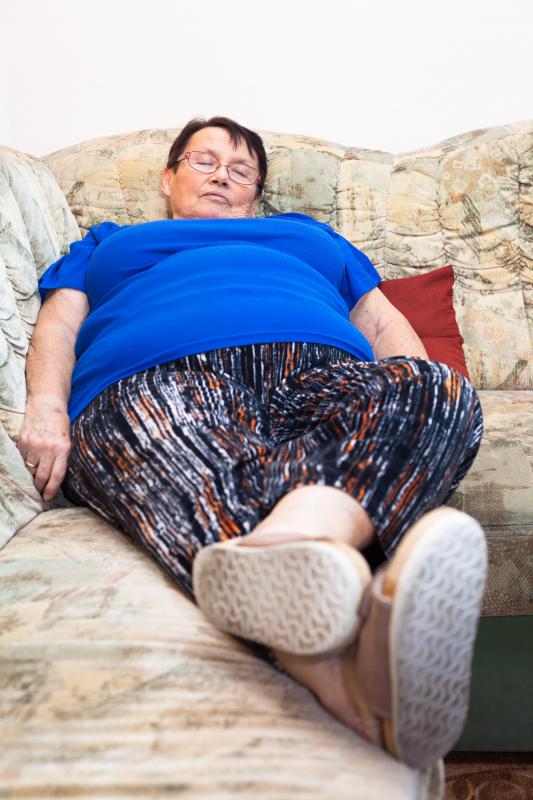
Flabby chests also can be the result of obesity — not only in men but in women as well. A body that is heavy with excess fat is prone to sagging and, in turn, an overweight person is less likely to work to firm and tone her or her underlying muscles. There are cases, however, when a saggy chest might not be a fitness issue but rather a medical one. Gynecomastia is a medical condition that is manifested by the swelling or enlargement of breast tissue in men or boys. It is caused by an imbalance of the hormones estrogen and testosterone, particularly in young males who are going through puberty or in older men who are going through the natural hormonal changes of aging. This sort of problem almost always requires medical intervention, though in some cases it will go away on its own with time.
Targeted Exercise

Men often choose to start with specific chest-strengthening exercises, and these will get results in most cases. They may not completely fix the problem, particularly not at first, but they usually give some encouragement that progress is at least being made. Exercises are also usually very simple, and don’t require much in the way of time or equipment. Long-term commitment is usually the most important thing.

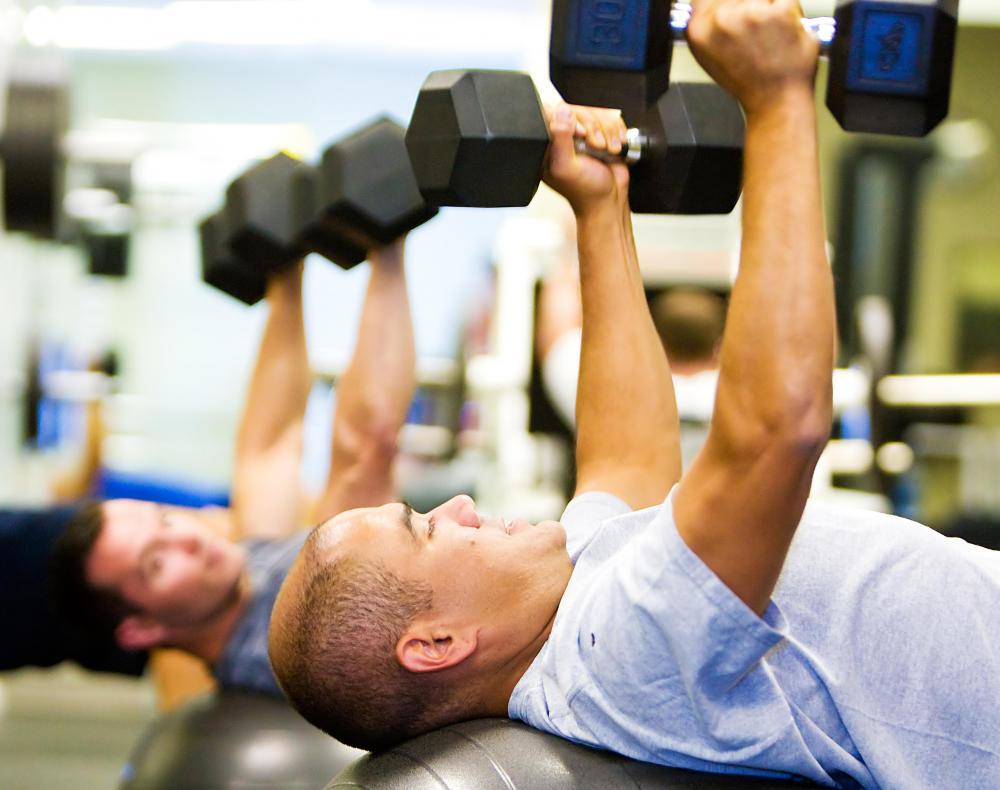
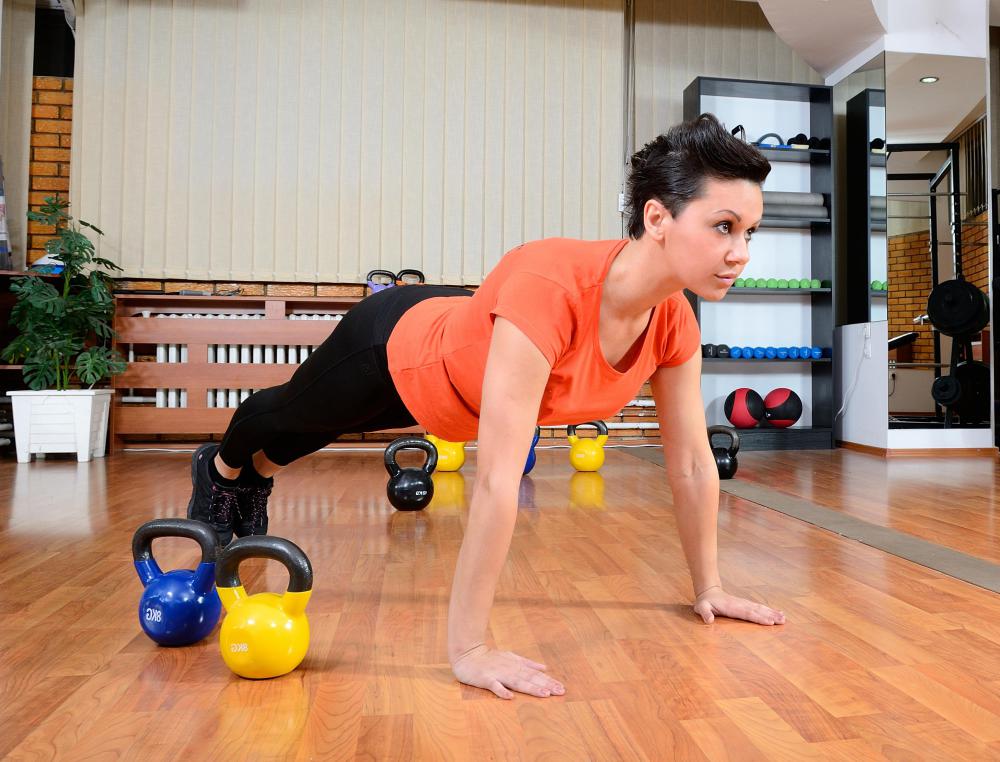
Bench presses, for example, are an excellent weightlifting exercise for firming and building the pectoral muscles, which are the muscles of the chest. Dumbbell flys are a great counterpoint to the muscle-building bench press because they serve to stretch out the pectoral muscles, or to elasticize them. Lateral rows work not only the chest muscles but also the upper and lower back. Finally, the basic push-up is also very effective for many people.

Experts usually recommend that men start slowly, then build up their repetitions and do the exercises approximately every other day, so that the muscles have a chance to heal in between workout sessions. Doing something like jogging, walking, or other cardiovascular training on the alternate days can be a good way to improve overall health and fitness, but many say that taking a break is also just fine.
Weight Loss Concerns

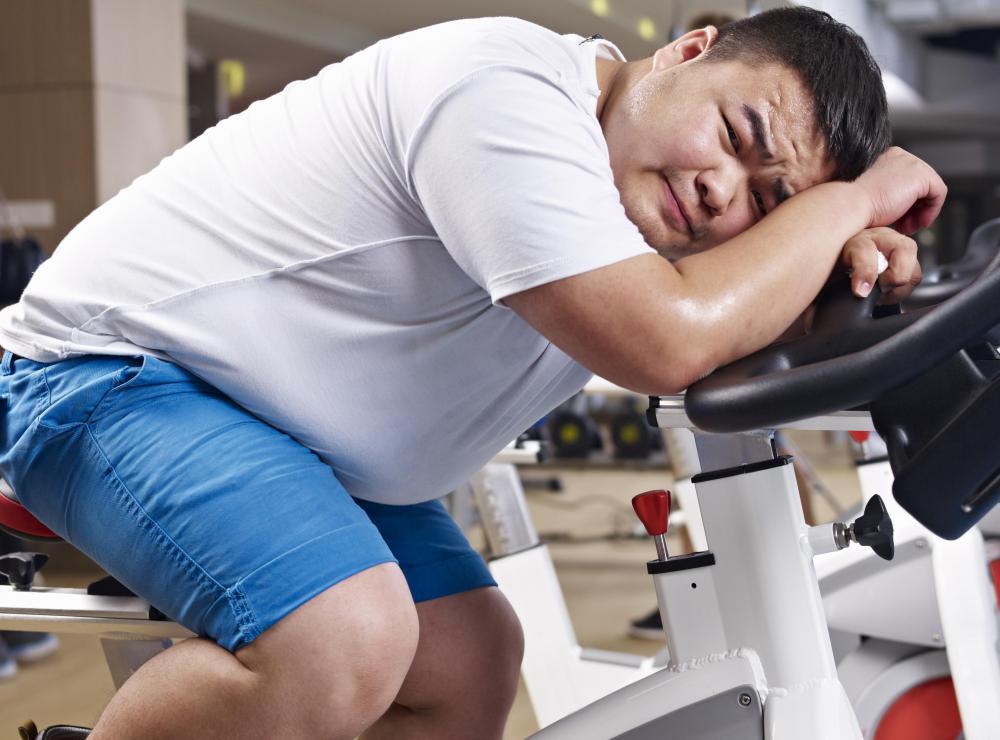
Continuous exercise may be of more importance for those combating obesity or excessive weight around the chest and arms. The four main chest-firming exercises will benefit overweight individuals, but true success is rare without a pattern of sustained aerobic exercise and a healthy nutritional program, too. A regular routine of resistance training, aerobic exercise and a new nutritional regimen is usually the way to go, but for safety’s sake most medical and nutritional experts say that this should only be done under a physician’s supervision and, ideally, also with the guidance of a certified fitness instructor.
Hormone Therapy

There are cases when a saggy chest might not be a fitness issue but a medical one, as is the case with gynecomastia. Men and boys who are suffering from this condition aren’t usually able to combat their chest sags with exercise, and may need a series of hormonal drugs to reverse the growths. Sometimes a doctor will prescribe medications that are used in the treatment of breast cancer, such as raloxifene or tamoxifen; regular hormone injections can also help reverse the growth. A lot depends on how advanced the condition is.
Surgical Options

Surgery is usually considered an extreme option. Men who are suffering from ordinary, age or weight-related droops aren’t likely to be good surgical candidates, since in these cases the risks typically outweigh the benefits. Some doctors will perform skin lifts for cosmetic reasons, but exercise and more natural attempts must usually be made first.
In advanced cases of gynecomastia and other related hormone imbalances, though, surgery may be the only way to remove the growths that are causing the sags. Two types of surgery are used to treat persistent gynecomastia: liposuction and mastectomy. In liposuction, the breast fat is removed, and in mastectomy, the tissue of the breast gland is removed. Both are considered extreme and are usually used only when absolutely necessary.
Why Do I Have a Saggy Chest?
A saggy chest can be caused by hormonal issues, obesity, loss of muscle mass and loss of elasticity in the skin. The reason varies for each individual. If the reason is related to a deficiency in certain nutrients, supplements may support elasticity in the skin. Tightening the skin of a saggy chest, especially when combined with muscle building and firming exercises can reduce the appearance of sagginess in the chest. Three of the more promising skin tightening supplements include:
- Collagen Peptides
- Hyaluronic Acid
- Antioxidants
When adding a new supplement to a nutritional regimen, a physician should be consulted. Also, make sure to follow the advised dosage by the supplement manufacturer in conjunction with physician recommendations.
How To Firm up Chest
Building muscle and firmness with exercise depends on how it is performed. It is not a matter of simply doing the exercise. The exercise needs to be challenging and continuously progressed in difficulty to yield results. If carried out appropriately and safely, dumbbells, barbells, machines, cables, bands and bodyweight exercises can all be used effectively to achieve the desired result. Here are three considerations for performing firming and muscle building exercises:
Choosing a Weight
Once a repetition range is chosen, pick a weight that makes the last repetition hard. For example, if the goal is to do eight repetitions, the weight chosen should only allow for eight repetitions to be performed with proper form. If more repetitions could had been done, the weight was too light.
Using Enough Volume
The volume needed to reach a goal varies by person. If progress has stalled, consider adding another set to a current chest exercise or even adding a new chest exercise.
Maintaining Results
Once the desired goal is met, results can only be maintained by continued exercise. Many times, simply maintaining the current routine used to achieve the goal is enough to keep results.
Saggy Chest Firming Exercises
The pectoral muscle movement that is most used to build chest firmness is called adduction and is usually accomplished through an exercise that employs a pressing or pushing movement. Exercises for chest firming and muscle building are the same for men and women. The only difference might be the size of the weights used for each exercise. Men tend to lift more weight than women, though training experience influences this factor. Listed below are some basic exercise options:
Common Pressing Exercises
Typical chest building exercises that are considered pressing movements include dumbbell bench press, barbell bench press and machine chest press. These exercises can be performed seated, lying supine on a flat bench or the floor, on a bench with an inclined or declined angle and can be done with both arms or one arm at a time in some cases. These exercises tend to be the easiest to adjust based on fitness level and can offer a high degree of external resistance if needed.
Other Pressing Exercises
Dumbbell and cable chest flye exercises are effective chest firming and muscle-building exercises. Less resistance is typically used with these exercises, but more focused effort can be placed on the chest muscles. Chest flye exercises are a valuable addition to an exercise program that addresses a saggy chest and can be performed in a supine, seated or standing position depending on the exercise.
Bodyweight Pressing Exercise
The most used bodyweight exercise for chest firmness is the push-up. It can be done on a flat surface or with feet or arms on an elevated surface. Push-ups can be harder to adjust based on fitness level. Unlike machine or externally weighted exercises, bodyweight cannot be removed or external weight easily added to change the difficulty. Though, elevating the arms or legs during the exercise can be a way to adjust difficulty. Push-ups are a convenient exercise to use if gym access is unavailable or if bodyweight exercise is desired.
AS FEATURED ON:
AS FEATURED ON:


-
![An anatomical illustration showing many muscles in the upper body, including the pectoral muscles.]() By: mikiradicAn anatomical illustration showing many muscles in the upper body, including the pectoral muscles.
By: mikiradicAn anatomical illustration showing many muscles in the upper body, including the pectoral muscles. -
![Doing push-ups can help strengthen the chest.]() By: bertys30Doing push-ups can help strengthen the chest.
By: bertys30Doing push-ups can help strengthen the chest. -
![Men may experience gynecomastia, or swelling of breast tissue, as a result of a hormonal imbalance.]() By: semmickphotoMen may experience gynecomastia, or swelling of breast tissue, as a result of a hormonal imbalance.
By: semmickphotoMen may experience gynecomastia, or swelling of breast tissue, as a result of a hormonal imbalance. -
![Chest presses with dumbbells can be used to strengthen the pectoral muscles.]() By: Mat HaywardChest presses with dumbbells can be used to strengthen the pectoral muscles.
By: Mat HaywardChest presses with dumbbells can be used to strengthen the pectoral muscles. -
![Incline dumbbell bench presses primarily work the upper chest and shoulder muscles, and may help prevent a sagging chest.]() By: vgstudioIncline dumbbell bench presses primarily work the upper chest and shoulder muscles, and may help prevent a sagging chest.
By: vgstudioIncline dumbbell bench presses primarily work the upper chest and shoulder muscles, and may help prevent a sagging chest. -
![Push-ups can strengthen and tone the chest, arms and shoulders.]() By: z3zoPush-ups can strengthen and tone the chest, arms and shoulders.
By: z3zoPush-ups can strengthen and tone the chest, arms and shoulders. -
![Aerobic exercise is important when trying to lose weight and tone muscles.]() By: imtmphotoAerobic exercise is important when trying to lose weight and tone muscles.
By: imtmphotoAerobic exercise is important when trying to lose weight and tone muscles. -
![In some cases, obesity can contribute to a flabby, saggy chest.]() By: JanMikaIn some cases, obesity can contribute to a flabby, saggy chest.
By: JanMikaIn some cases, obesity can contribute to a flabby, saggy chest.



Discussion Comments
@clintflint - Well, some people would just prefer to look a little bit like the people in the magazines and they should be able to attempt it if they want. It's not that unreasonable for a man to want to have a firm chest.
And I actually think it is a rare person who wouldn't strongly prefer for their partner to have a firm chest rather than a saggy one.
@pastanaga - In my opinion the best thing men and women can do if they are ashamed of any body part is to look at a whole bunch of pictures of normal bodies. More often than not they have developed their idea of what they should look like from the airbrushed, impossible images that we are bombarded with every day.
They might think, how could anyone want to be with a freak like me? I don't look anything like those people in the magazines. But even the people in the magazines don't really look like that. We are all a little bit saggy and a little bit unproportional. If you are willing to have an open mind and accept that in others, then there's no reason they wouldn't accept that in you.
I just think we spend a lot of time and money worrying about things that are simply natural and don't really need to be fixed.
If you're a woman who is worried about a sagging chest, unfortunately there isn't all that much you can do about it. You can try to work the same muscles that are suggested here for the men and it might help a little bit, but breast tissue is made up of skin and fat and ligaments and at the moment there isn't really a way to tighten them up without surgery.
Men or women shouldn't fall for those creams that are often sold with the promise that they will tighten up that area, because they won't be very effective and can only work on the skin anyway.
Post your comments