
At TheHealthBoard, we're committed to delivering accurate, trustworthy information. Our expert-authored content is rigorously fact-checked and sourced from credible authorities. Discover how we uphold the highest standards in providing you with reliable knowledge.
How Do I Deal with Pus in Pimples?
One of the best ways to deal with pus in pimples is simply to keep the area thoroughly cleaned to give it a chance to heal. Pimples usually ooze pus as a consequence of a bacterial infection, though in most cases the body will heal itself with time. The most important thing for you to do is to leave the area more or less alone so that your immune system will be able to kick in. Though it may be tempting to cover the area with a bandage or concealing makeup, most experts say that it’s best to leave your pimples — even those with pus — open to the environment so that they don’t have a chance to fester and get worse. Carefully washing the affected region and keeping it clean is usually the best way to prevent bacterial spread. If your condition doesn’t improve or seems to be getting worse, a healthcare provider may prescribe a round of antibiotics or localized cortisone injections to speed things along.
Understanding Pus

Pus is usually a sign of a bacterial infection, and it’s one of the body’s many ways of trying to flush out harmful substances. It’s made up mostly of dead cells, immune proteins, and water, and it often has a yellowish tint. When pus bubbles to the surface of the skin, or when it occurs there initially in reaction to some sort of skin inflammation or irritation, the result is often a pimple. People don’t always notice the pus right away, but sometimes the outer barrier of the pimple bursts, which can lead to oozing pus. This is often more worrisome to look at than it really is concerning from a medical standpoint, but a lot of this has to do with the underlying cause.
Why Pus Occurs in Pimples

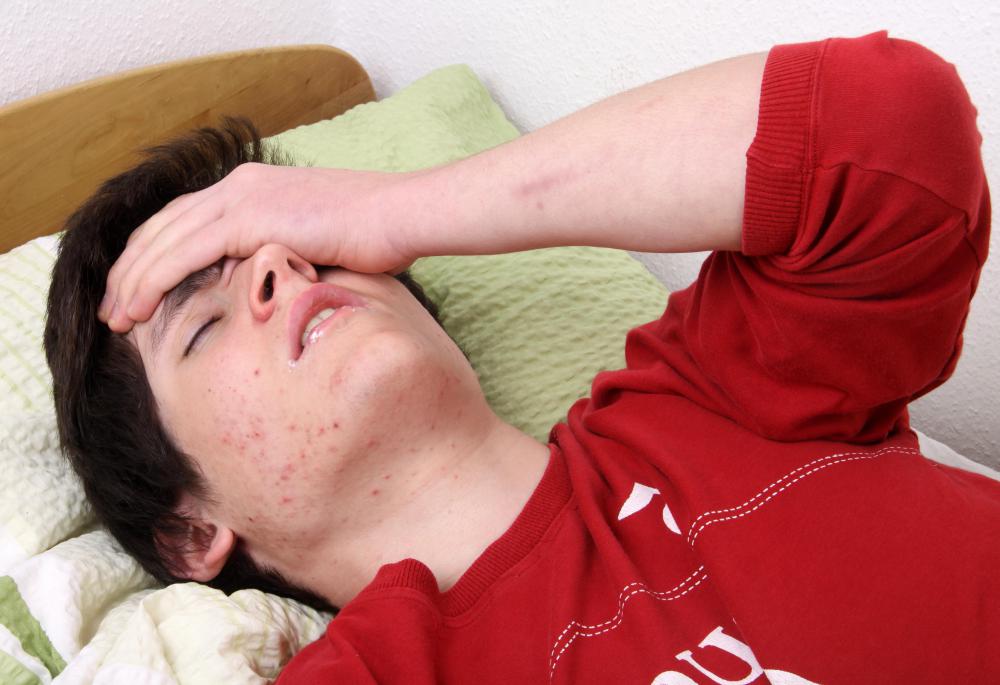
There are a couple of reasons why you might experience pus in pimples, and determining your particular situation will help you figure out how to best treat it and what to look for. Acne is one of the most common; this is a skin condition that causes minor skin eruptions all over the body, but particularly the face. Some symptoms of acne include inflammation, redness, and pain at the eruption sites. Pus appears in these instances when the pimples become irritated or infected, often as a result of a person picking at them or scratching them.

Certain types of pimples referred to as “cystic pimples” can also contain pus. Cystic pimples occur deep within the skin's surface, and don’t often go away on their own. They are often painful and can cause a burning sensation beneath the skin, as well as a red eruption on the exterior.
Fluctuations in hormones can sometimes also be to blame. Many women experience breakouts immediately before the start of their menstrual periods, and menopausal women are also at risk for developing pus-filled acne. Other factors influencing pimples include diet, genetics, skin type, and stress. In addition, hygiene practices and skin sensitivity to cosmetics may also play important roles.
Keeping the Area Clean

One of the first things you’ll want to do when you notice pus in a pimple is to carefully wash and dry the area with a clean, damp cloth. Warm but not hot water is usually best. The moist heat will draw out the pus to the surface of the skin, allowing for it to be gently expressed. Although it is generally not recommended to squeeze deep rooted or cystic pimples, those that are superficial can be gently squeezed to express some of the pus, but be on the lookout for blood — if you see blood mixed with pus, you should stop and get medical help, since this could be a sign of a more serious skin issue and could also be putting you at greater risk of continued infection.
Reducing Oil Build-Up

There are a number of over-the-counter acne preparations and pimple medications that can be helpful when it comes to drying the blemishes and reducing the oil build-ups that can cause them to grow. These might be useful, but shouldn’t normally be applied to skin that is broken or pimples that occur on or around the eyes. A pimple that is simply oozing a small amount of pus might benefit from a drying solution, but pay close attention to adverse reactions. Any itching, flaking, or redness of the skin is usually a sign that you should discontinue the medication.
Antibiotic Treatments
Pus-filled pimples that don’t seem to be going away on their own or that seem to be getting worse may require a stronger solution. Dermatologists and other skin care experts often recommend a series of antibacterial drugs to target the underlying infection. These sometimes take a little while to start working, but they kill the bacteria responsible for the pus in the first place, which ultimately will cause the pimples to die down or disappear in most people. Depending on the circumstances your healthcare provider might also recommend cortisone injections at the site; these tend to reduce inflammation, pain, and redness, and can promote healing.
A Word of Warning on Concealers
Many people consider pimples to be a blemish that should be covered up before leaving home. Skin care specialists don’t usually recommend wearing concealers or other make-up products on pimples for long, though, since these can block the skin’s pores and make oil build-ups beneath the surface even worse, and bandages can do the same thing. This is particularly true for pimples that are actively oozing pus. Though theses sorts of blemishes may be unsightly, experts don’t usually recommend trying to cover them since this can make healing take even longer. If you must use a concealer, try to wear it only briefly and be sure to thoroughly wash and dry your face as soon as possible. Bandages should also usually be removed promptly as well.
AS FEATURED ON:
AS FEATURED ON:


-
![Pus in pimples is caused by a bacterial infection.]() By: F.C.G.Pus in pimples is caused by a bacterial infection.
By: F.C.G.Pus in pimples is caused by a bacterial infection. -
![Thoroughly cleansing the face with a facial wash may help treat pus in pimples.]() By: ipagThoroughly cleansing the face with a facial wash may help treat pus in pimples.
By: ipagThoroughly cleansing the face with a facial wash may help treat pus in pimples. -
![You should avoid touching pimples as much as possible.]() By: miya227You should avoid touching pimples as much as possible.
By: miya227You should avoid touching pimples as much as possible. -
![Popping a pimple is generally considered a bad way to handle them.]() By: Piotr MarcinskiPopping a pimple is generally considered a bad way to handle them.
By: Piotr MarcinskiPopping a pimple is generally considered a bad way to handle them. -
![Reducing stress may also help reduce breakouts.]() By: Klaus EppeleReducing stress may also help reduce breakouts.
By: Klaus EppeleReducing stress may also help reduce breakouts.


Discussion Comments
I am 25 years old and I usually have many pus pimples and blackheads on my face. How can I get relief from this situation?
I only use acne spot treatment on pimples. I leave it on during the night, it dries out the pus.
@ysmina-- There is a better way to pop pimples. Use a sterile needle (hold the needle in fire for a few seconds to sterilize it) and puncture the pimple with it in the center.
Then take a tissue, wrap it around your finger and apply pressure on the pimple in circular motions to release the pus.
You can then clean it any way you want. This is the best way to pop a pimple. Squeezing with fingers is not sterile and it can cause blemishes and scars.
@StarJo-- I know it's bad but I always squeeze pimples too. If the pimple is "ripe"-- meaning if the pus has been drawn to the surface-- I usually squeeze once to pop it and then once more to squeeze all of the hardened pus out of it. The second time, a little bit of blood is squeezed out as well and at that point I stop.
Then I wash my face with a cleanser and clean the pimple with a face toner containing alcohol. Last, I put a dab of antibiotic cream on it to prevent infection.
It crusts over in about a day and completely heals in several days.
I have had both the deep cystic acne and the simple surface acne. The kind that doesn't reach far beneath the surface is so easy to get rid of.
I just place my fingernail beside it and press down while slowly raking toward and over the head. The little bit of pus that's in there pops right out.
The deep kind require the help of a dermatologist. My doctor stuck a needle deep into my pimples and squeezed them. It really hurt!
I also had to apply prescription acne cream for months and take a course of antibiotics. He gave me several chemical peels over a period of months, too.
@StarJo – I always put alcohol on my pimples once I have emptied them of their pus. I do this to sterilize the skin.
It's also good to put hydrocortisone cream on them. This will take some of the redness out, and it will reduce swelling, too.
I've even used antibiotic cream on my flattened pimples. I figure if it can speed the healing of a cut or scrape, it can make my open pimple heal faster.
What should you do once you have squeezed the pus out? Is there something you should treat the spot with to help it heal faster, or should you just leave it alone?
I used to use green concealer and foundation to cover up my pimples, but I could only do this with the ones that had not yet formed a head of pus. The white spots were impossible to conceal, and if I tried, I only made it look worse, because there would be a big, makeup covered mound on my face with a dot of pus sticking up.
I used to stick a needle into my pimple where the pus showed, and then, I would use two cotton swabs to press on either side of the pimple. This was a good way to get the pus to emerge.
I first tried using my fingernails, but I would often have to press so hard that they would leave marks in my skin. So, I started using cotton swabs.
Post your comments