
At AllThingsNature, we're committed to delivering accurate, trustworthy information. Our expert-authored content is rigorously fact-checked and sourced from credible authorities. Discover how we uphold the highest standards in providing you with reliable knowledge.
How do Beaches Form?
 Mary McMahon
Mary McMahon
Mary McMahon
Beaches form as waves deposit sand and other sediment on the shore and wind pushes these sediments inland. This creates an area of sand particles, sometimes with dunes behind them. The size and shape of a beach can grow and shrink dramatically throughout its lifetime, as it is influenced by tides, weather, winds, and man-made objects in the vicinity. Therefore, it is possible to track seasonal and yearly changes on many beaches, and these changes are sometimes used to monitor larger weather trends in the area.
Sand Formation

Sand is formed by erosion. This can take place by the action of water in rivers, by glaciers grinding against rock, by alternate freezing and thawing, and by the action of waves on rocks, coral reefs, and shells. Sand and silt formed inland is often carried to the ocean by rivers and deposited there. Sediments are also created through erosion of the ocean floor in shallow areas, and the deposition of dead marine animals and plants. Some of these particles settle to the ocean bottom, but many more are picked up and carried in currents that eventually come close enough to the shore for waves and tides to pull the suspended material onto the land.
Types of Sand

Sediment can be classified by grain size. For sand, this ranges from “very fine,” with grains less than 0.004 inches (0.1 mm) in diameter, up to “very coarse” — 0.04 to 0.08 inches (1 to 2 mm). The size of the particles is an important factor in how they behave on a beach: it affects the way the grains adhere to one another, how well they retain water, and the way they move. Fine-grained sand retains more water and sticks together better than coarser particles; it is good for building sand castles, but is less mobile and tends not to travel far unless it is allowed to dry out.

The shapes of the grains are also important. Wind-blown sand particles tend to have more rounded shapes, which means they cling together less well, retain less water, and are more mobile. They can travel far inland, and, depending on the terrain, may either form dunes behind the beach or be deposited great distances away.
Sand can also be classified according to composition. Grains that originate from rocks are usually composed mostly of the mineral quartz, also known as silica. Pure quartz is colorless, but it normally contains traces of other minerals that give it color. Quartz sand is commonly light tan or yellowish, but can also be reddish in color. Beaches form also from volcanic rocks, such as basalt; these are much darker in color and may be almost black.

Not all sand comes from rock: it can also form from shells or coral. These consist of calcium carbonate that has been accumulated by marine organisms. When beaches form from shell and coral, they are often almost white or sometimes pale pink in color.
Beach Formation
Beaches are what are known as deposition landmasses, meaning that they are formed by deposits of sediment and other materials. Potentially, one can form anywhere where the ocean comes into contact with the land. The process can take millennia, starting with wave-cut terraces caused by the ocean's action on the shoreline, along with geological features. Over time, a flattened area emerges where the waves hit the shore, and a beach starts to form. As it increases in extent, it gains a better foothold; while small beaches may vanish entirely in some years, larger ones will generally remain intact.

As waves push sand and sediment up the beach, they inevitably leave some behind, especially when the tide recedes. Coastal winds then push the sediments up beyond the reach of the waves, where they may remain for long periods. Ancient beaches are often surrounded by dunes.
In addition to being pulled up by the wind, sediments can also move through a process known as saltation, when they actually bounce up the beach out of the reach of the waves. The processes of deposition and saltation can be accelerated by storms and other severe weather, causing a beach to grow or shrink depending on which direction the sediment is moved in. Storms often lead to the deposition of large amounts of sediment, which may slowly erode away in the months following the storm; in other cases, entirely new beaches form in response to dramatic weather.
Beach Structure
A beach can be divided into three main sections. The beach face lies between the low and high tide marks and is the area that has most contact with waves. The amount of sand that is deposited here, and the slope of the beach, depend on the amount of backwash — the water that runs back into the sea. Backwash carries sediment with it, but some of the water flows back through the sand, so that there is less water running back than came in. This means that some of the grains brought in remain on the beach face. The less backwash there is, the more sand that is deposited and the steeper the slope.
The berm is a terrace, often with a crest on the seaward side, just beyond the high tide mark. It is formed by waves carrying suspended material landward and marks the normal limit of the area directly affected by the sea. Some of the water percolates back through the sand, reducing the amount that washes back. In this way, some of the suspended sand is deposited to form the berm.
The backbeach is the area behind the berm, and beyond the reach of waves in normal conditions. It features variable amounts of fine-grained, windblown sand and normally has some vegetation. It may consist of dunes but can also feature salt marshes and other landforms.
Dune Formation
For dunes to form, there must be a significant amount of dry sand available. This requires tides; at low tide, large amounts of sand can be dried by the sun and the wind, rendering it mobile. If there is an onshore wind — a wind blowing from the sea toward the coast — this can carry the grains some distance inland. The wind may then be slowed down sufficiently by small obstacles, such as plants, to deposit the sand grains, forming dunes over time.
Frequently Asked Questions
What natural processes lead to the formation of beaches?
Beaches form through the erosion of rocks and cliffs, which is carried out by the relentless action of waves and currents. Over time, these forces break down large rocks into smaller particles that are then transported and deposited along shorelines. The size and composition of a beach's sand or pebbles are determined by the local geology and the energy of the waves.
How do waves contribute to beach formation?
Waves play a crucial role in beach formation by moving sediments towards the shore through a process called longshore drift. As waves approach the beach at an angle, they pick up and carry sediment along the coast. This constant movement of material results in the accumulation of sand and pebbles that form the beach.
Can beaches form on any type of coastline?
Beaches typically form on coastlines where there is an abundant supply of sediment and where wave action is conducive to sediment deposition. However, not all coastlines are suitable for beach formation. Rocky or steep coastlines, for example, may experience too much erosion or lack the necessary conditions for sediment to accumulate and form a stable beach.
How long does it take for a beach to form?
The formation of a beach can vary greatly in time, ranging from years to millennia, depending on factors such as the rate of sediment supply, wave energy, and geological conditions. Some beaches can form relatively quickly if there is a high rate of sediment deposition, while others may evolve over much longer geological timeframes.
What role do human activities play in beach formation and erosion?
Human activities can significantly impact beach formation and erosion. Coastal development, such as the construction of buildings, piers, and sea walls, can disrupt natural sediment flows and wave patterns. Additionally, dredging and sand mining can deplete local sediment sources, while climate change-induced sea-level rise can accelerate beach erosion.
Are beaches permanent features of coastlines?
Beaches are dynamic and constantly changing features of coastlines. They are subject to seasonal changes, storms, and long-term processes like sea-level rise. As such, a beach may grow, shrink, or shift position over time. Beaches are not permanent; they evolve with the natural processes that create and reshape them.
Mary McMahon
Ever since she began contributing to the site several years ago, Mary has embraced the exciting challenge of being a AllThingsNature researcher and writer. Mary has a liberal arts degree from Goddard College and spends her free time reading, cooking, and exploring the great outdoors.
Learn more...
Mary McMahon
Ever since she began contributing to the site several years ago, Mary has embraced the exciting challenge of being a AllThingsNature researcher and writer. Mary has a liberal arts degree from Goddard College and spends her free time reading, cooking, and exploring the great outdoors.
Learn more...AS FEATURED ON:
AS FEATURED ON:









-
![Beaches are formed by waves depositing sand and sediment.]() By: dareonBeaches are formed by waves depositing sand and sediment.
By: dareonBeaches are formed by waves depositing sand and sediment. -
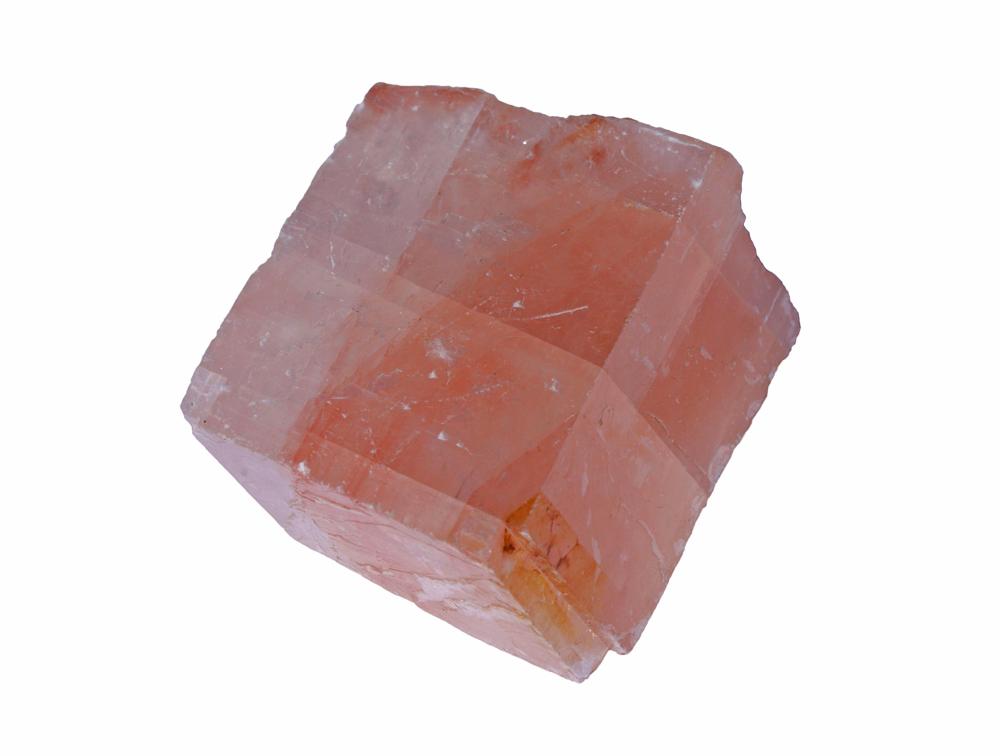
![Pure quartz is colorless, however most examples contain traces of other minerals that give them color.]() By: siimseppPure quartz is colorless, however most examples contain traces of other minerals that give them color.
By: siimseppPure quartz is colorless, however most examples contain traces of other minerals that give them color. -
![Beach storms can lead to large deposits of sediments, which often erode after the storm passes.]() By: Pix by MartiBeach storms can lead to large deposits of sediments, which often erode after the storm passes.
By: Pix by MartiBeach storms can lead to large deposits of sediments, which often erode after the storm passes. -
![The action of waves on coral reefs creates sediment.]() By: LA PhotographerThe action of waves on coral reefs creates sediment.
By: LA PhotographerThe action of waves on coral reefs creates sediment. -
![The size of a beach can vary dramatically over the course of its lifetime.]() By: BlueOrange StudioThe size of a beach can vary dramatically over the course of its lifetime.
By: BlueOrange StudioThe size of a beach can vary dramatically over the course of its lifetime.




Discussion Comments
This helped me a lot. I needed to make a brochure and it was about natural features.
thanks for helping me on my homework.
why is sand yellow?
I don't know if you still check this or how often but I'm just wondering if toronto's beaches are man-made or if they formed on their own.
This is so helpful. thank you very much.
wow this helped me with my project. thanks a lot.
Thanks, this helped me a lot on my assignment on beaches and sand dunes.
This helped me with my assignment like, heaps.
Wow. This is so useful!
wow, wisegeek helped me a lot on my homework.
Post your comments