
At TheHealthBoard, we're committed to delivering accurate, trustworthy information. Our expert-authored content is rigorously fact-checked and sourced from credible authorities. Discover how we uphold the highest standards in providing you with reliable knowledge.
How can I Treat a Pizza Burn?
 Michael Pollick
Michael Pollick
Michael Pollick
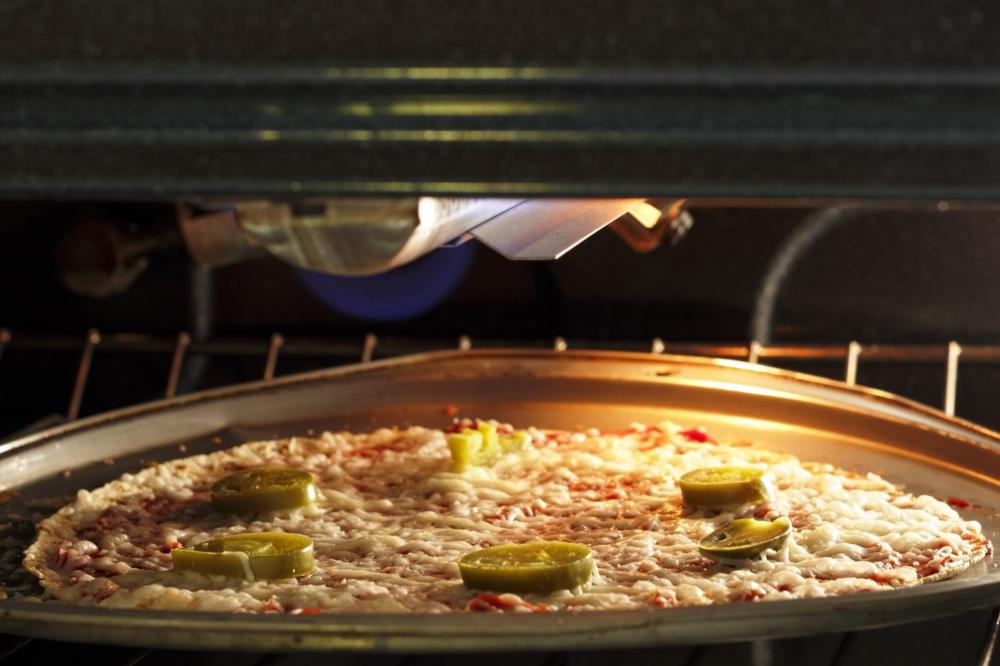
The scenario should be familiar to many of us: you take your first bite of a steaming hot pizza slice or drink your first sip of hot coffee and suddenly, you experience a searing pain across the roof of your mouth as the hot cheese, pizza sauce, or liquid delivers a scalding burn. You've just developed a very painful case of "pizza burn," and your life is about to be unpleasant for at least a week to ten days. At least you won't be alone, since this is a fairly common food-related accident. To treat this type of burn, use ice to soothe the pain, and use a salt water gargle to help keep the roof of your mouth clean.
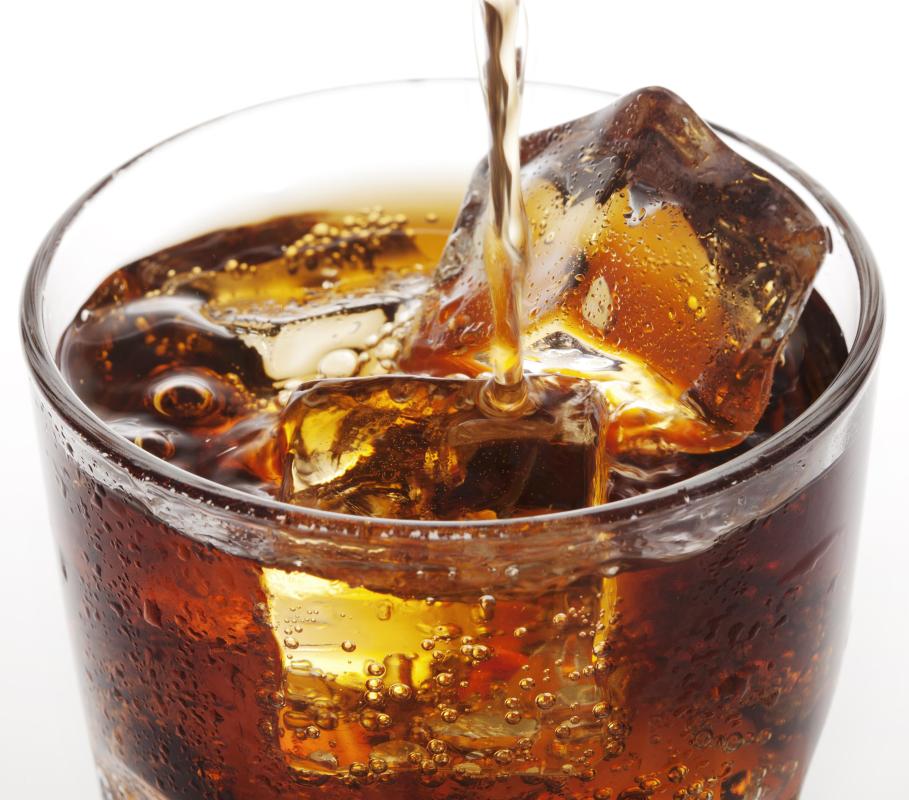
The first course of action may be as close as your glass of water or soda. Grab a few ice cubes and apply them directly to the affected area. The skin tissue protecting the roof of your mouth is extremely thin, so a serious burn can blister very easily and leave the area open to opportunistic infections. You may also notice at least one flap of damaged skin tissue hanging down from your palate area. Applying ice to the injury should help reduce the immediate pain and swelling.

As soon as it becomes convenient to do so, you should begin regular rinses and gargles with salt water. This doesn't necessarily mean creating a thick saline solution, but a teaspoon of salt dissolved in a standard glass of water should do the trick. The salt water should help leech out excess fluids and keep the area sanitary until it heals in a week to ten days. There are also some commercial oral health products that can also be used to form a protective barrier over the pizza burn.

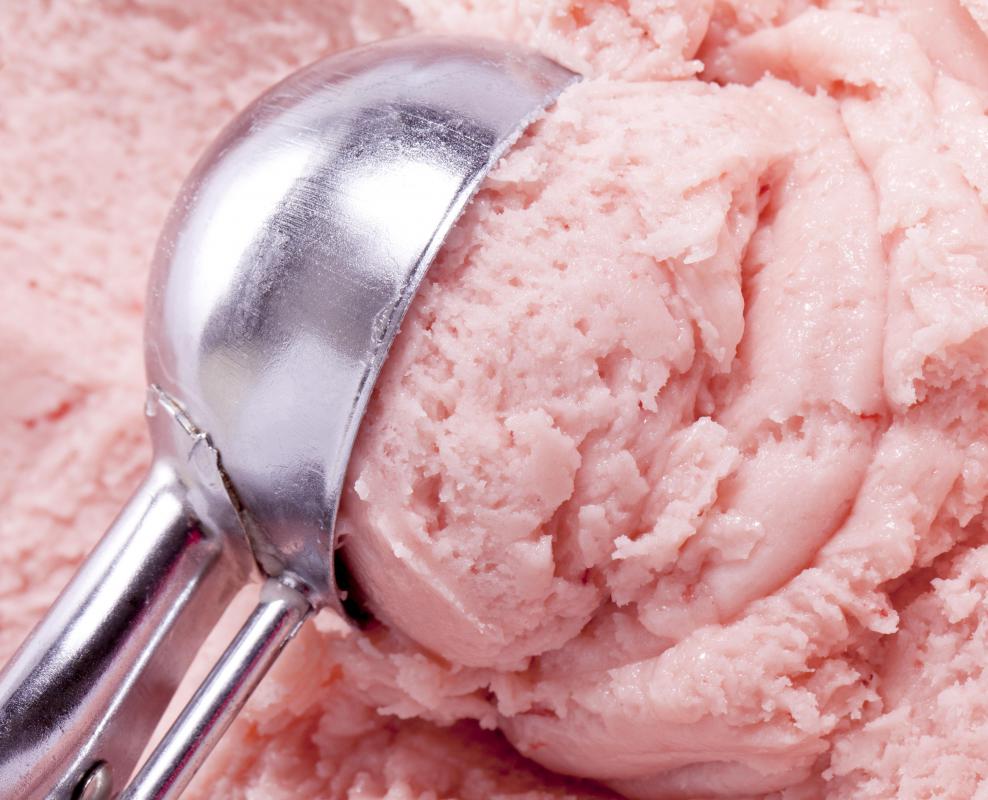
Until a mouth burn heals completely, you should avoid eating foods with sharp edges or rough textures, such as corn chips or popcorn. Eating softer foods, like ice cream, can aid in the healing process by providing a soothing coating of milk along with beneficial cooling. Spicy foods may also be problematic, since the spices may aggravate the damaged tissues and the food itself may promote unhealthy bacterial growth. Be careful when eating hot foods as well, since the heat may cause pain.

Prevention may be the best way to avoid this type of burn. Never eat a food straight out of the oven or microwave, since there may still be considerable residual heat from the cooking process. Allow hot foods to cool down, especially those that tend to retain heat, such as cheeses, sauces, and hot beverages. Use a knife and fork to eat hot pizza slices, which will prevent cheese and sauce from contacting the sensitive roof of your mouth. Never bite into a fried food item before determining how hot the contents may be. Pizza burn is not limited to pizza, so use caution whenever a food is served piping hot from an oven, microwave or deep fryer.
Michael Pollick
A regular TheHealthBoard contributor, Michael enjoys doing research in order to satisfy his wide-ranging curiosity about a variety of arcane topics. Before becoming a professional writer, Michael worked as an English tutor, poet, voice-over artist, and DJ.
Learn more...
Michael Pollick
A regular TheHealthBoard contributor, Michael enjoys doing research in order to satisfy his wide-ranging curiosity about a variety of arcane topics. Before becoming a professional writer, Michael worked as an English tutor, poet, voice-over artist, and DJ.
Learn more...AS FEATURED ON:
AS FEATURED ON:


-
![Ice cubes can be applied to a pizza burn.]() By: volffIce cubes can be applied to a pizza burn.
By: volffIce cubes can be applied to a pizza burn. -
![A pizza in an oven.]() By: SerenethosA pizza in an oven.
By: SerenethosA pizza in an oven. -
![The first option of healing is to take ice from your beverage and apply that to the burnt area.]() By: Liv Friis-larsenThe first option of healing is to take ice from your beverage and apply that to the burnt area.
By: Liv Friis-larsenThe first option of healing is to take ice from your beverage and apply that to the burnt area. -
![Once your mouth heals, eating foods like ice cream help by coating and cooling the tongue.]() By: bakerjimOnce your mouth heals, eating foods like ice cream help by coating and cooling the tongue.
By: bakerjimOnce your mouth heals, eating foods like ice cream help by coating and cooling the tongue. -
![Never eat pizza straight out of the microwave, since it holds residual heat from the cooking process.]()
Never eat pizza straight out of the microwave, since it holds residual heat from the cooking process. -
![Swishing the mouth with salt water may help keep a pizza burn in the mouth clean.]() By: Ruslan KudrinSwishing the mouth with salt water may help keep a pizza burn in the mouth clean.
By: Ruslan KudrinSwishing the mouth with salt water may help keep a pizza burn in the mouth clean. -
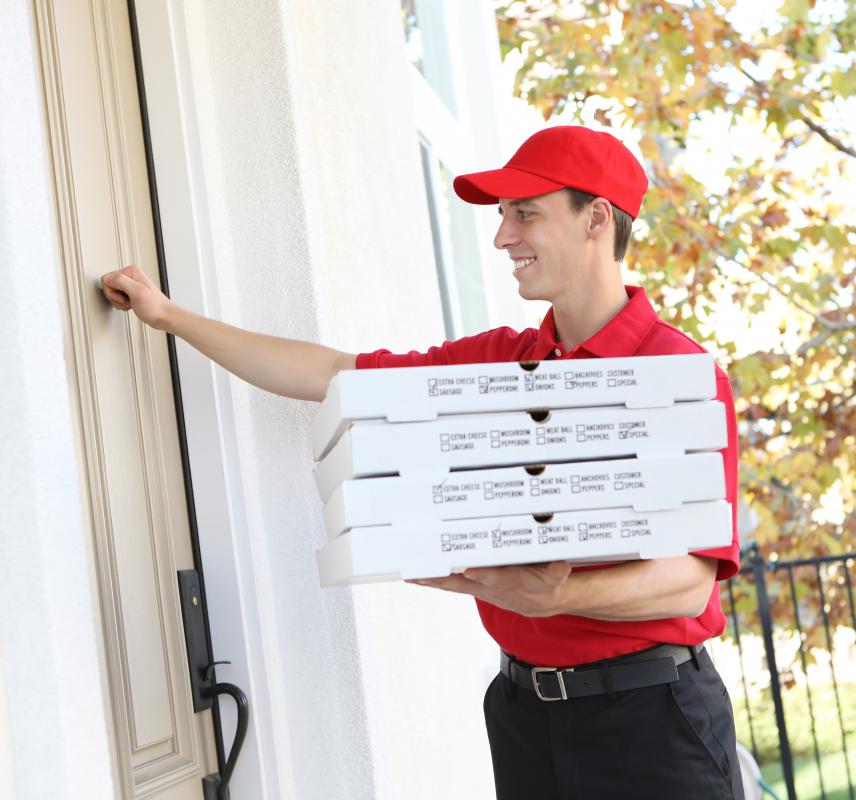
![Hot, fresh pizza can cause burns on the roof of the mouth.]() By: Stephen CoburnHot, fresh pizza can cause burns on the roof of the mouth.
By: Stephen CoburnHot, fresh pizza can cause burns on the roof of the mouth. -
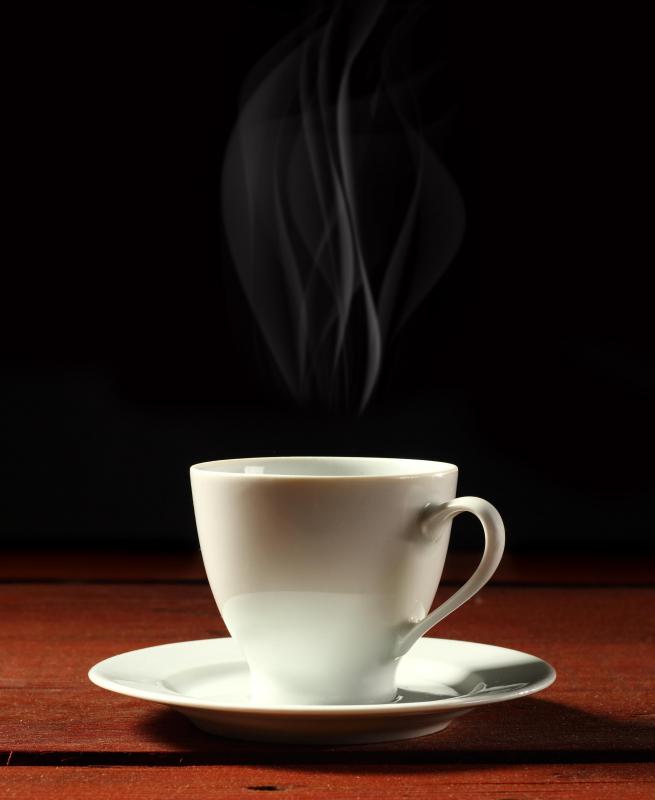
![Drinking a hot beverage can cause pizza burn.]() By: food pictures studioDrinking a hot beverage can cause pizza burn.
By: food pictures studioDrinking a hot beverage can cause pizza burn. -
![Sipping cool water can soothe the pain from a pizza burn.]() By: Andrey KuzminSipping cool water can soothe the pain from a pizza burn.
By: Andrey KuzminSipping cool water can soothe the pain from a pizza burn.



Discussion Comments
Does washing out your mouth with salty water hurt when you have a pizza burn? It just seems like the salt would irritate the wound.
I've heard that salt can help many things heal. I'm just wondering how painful it would be as a treatment.
@JackWhack – I've heard a lot about people burning their mouths with pizza cheese. I've never experienced this, because I hate cheese.
When I make pizza, I only top it with tomato sauce and pepperoni. That's all it takes to get a good flavor.
I can enjoy my pizza long before all the cheese lovers can enjoy theirs. I know it is still possible to get burned by the hot pepperoni, but mine cools off so much sooner than theirs.
I often make a cheese pizza for my husband, and he tends to burn his mouth on it. I think he's finally learning to slow down and wait until it cools a little, though.
He likes a lot of mozzarella cheese on top, and that stuff hangs onto heat for a long time. Even when you would think it surely would have cooled, it can still burn you.
He touches it with the tip of his finger to check the temperature now. He has had enough pizza burns to last a lifetime, and I believe that caution has been “burned” into his brain because of this!
@LisaLou – I know what you mean. There is a perfect temperature for hot stuff like coffee, and if it's either cooler or hotter than that, it ruins the experience. I don't like to drink it quickly, so I usually end up putting it back in the microwave before I'm finished.
If I do get burned, I drink ice water and hold it in my mouth right away. This takes the pain away for a little while, and it seems to keep the burn from being quite as bad.
It drives me crazy when I get a burn eating pizza because it always happens on the first slice and then it ruins ever bite you take after that.
If some pizza place would invent an effective burn spray they could make a killing.
Has anyone found any of the oral health products on the market to work on a pizza burn like this? I have tried a couple of these and don't think they really do any good. Ice seems to be the quickest and cheapest way to take care of a pizza burn.
I get burns in my mouth from drinking hot drinks like coffee or hot chocolate too soon. I don't know how some people can sip extremely hot coffee without burning their mouth. I don't really like lukewarm coffee, but burn my mouth if I try to drink it while it is still too hot.
As far as pizza goes, I have always eaten my pizza with a knife and fork. Some people look at me kind of strange when I do this, but it prevents me from getting a pizza burn and from spilling pizza down the front of myself.
@bagley79 -- I know you aren't alone there. Those small burns seem to take a long time to heal too. It really can take up to 10 days for the roof of my mouth to heal up.
I have never tried any remedies to speed up the healing process. I just usually figure it is going to take some time to heal and try to avoid foods that will make it feel worse.
For some reason I would think gargling with salt water would aggravate the burn? It just sounds like salt coming in contact with a wound would really sting.
Why is it so hard to wait to bite into a slice of pizza hot from the oven? The melted, gooey cheese is just too hard to resist. There are times when I have not only burned the top of my mouth, but also my chin. Then I have two spots that are sore and need some time to heal.
At least this author didn't recommend Neosporin in the mouth, like I read elsewhere.
Two days, tops! I have done it so many times. Drink cold stuff and eat soft food!
Post 3, tell that to the lady that won a lawsuit against McDonalds for burning herself with hot coffee. Because the cup didn't say it was hot.
"Prevention may be the best way to avoid a recurrence of pizza burn."
How stupid was this part of the article! The writer is essentially saying prevention is the best prevention.
How stupid do you have to be not to realize that hot things need to cool down? Does the writer really think we didn't know this? Sometimes we do stupid things like sloppily eat very hot foods, but we all know what could happen. we don't need someone to tell us hot things can burn us.
Stuffed crust pizza is a double whammy for pizza burn -- you could burn yourself on the toppings, or on the heated cheese inside the crust! The knife and fork method works great, but it's a bit harder to cut a stuffed crust pizza because the crust is thicker and gooier.
Ouch. my mouth hurts and then some.
Post your comments