
At WiseGEEK, we're committed to delivering accurate, trustworthy information. Our expert-authored content is rigorously fact-checked and sourced from credible authorities. Discover how we uphold the highest standards in providing you with reliable knowledge.
How can I Relieve Menstrual Cramps?
 Tricia Christensen
Tricia Christensen
Tricia Christensen
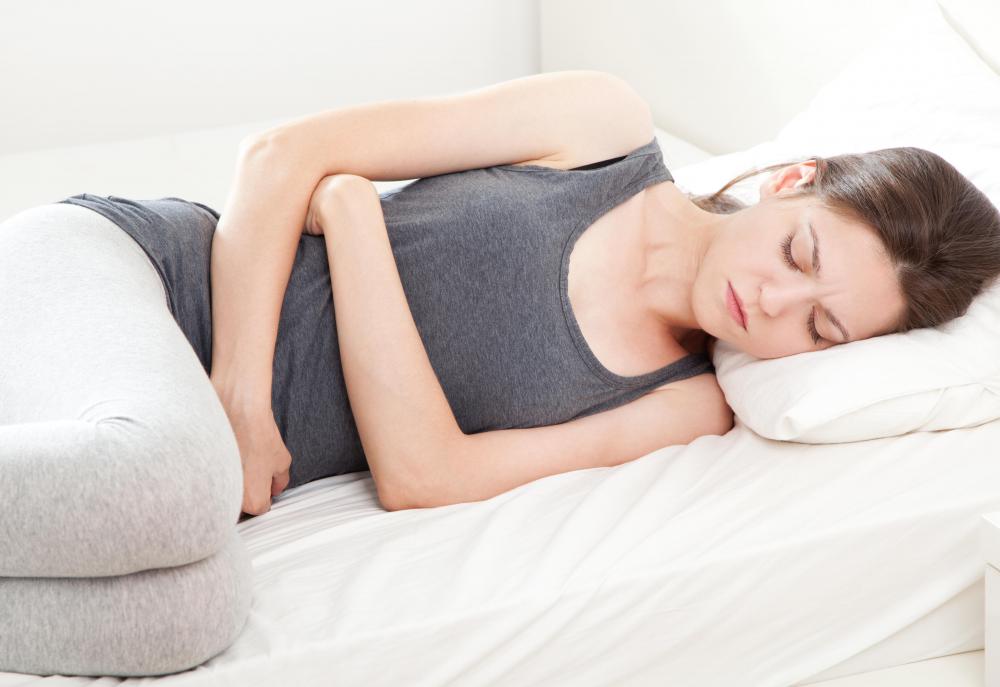
Menstrual cramps are caused by contraction of the uterus during the first few days of a woman’s period. They can be quite mild to quite severe, and can be felt in either or both the lower abdomen and the lower back. Some find themselves completely disabled by cramps, while others find they are easily borne.
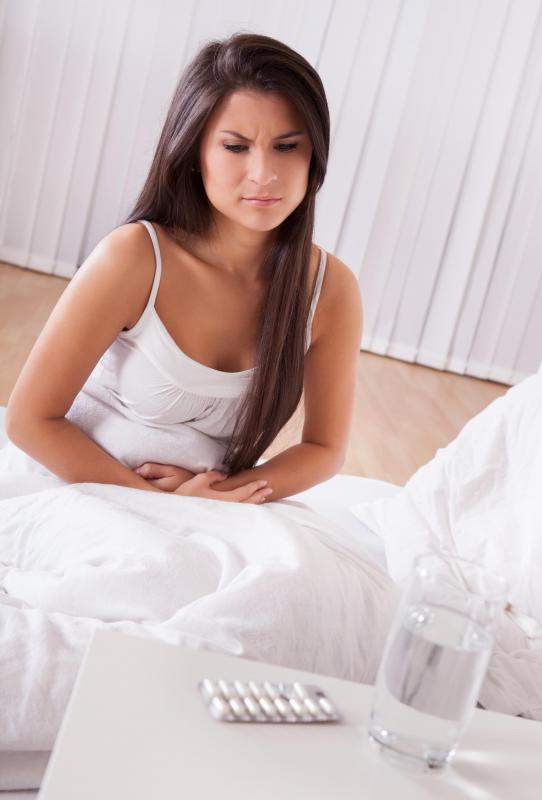
Most women would agree that one of the most effective methods for treating menstrual cramps is taking non-steroidal anti-inflammatories (NSAIDs) like ibuprofen or naproxen sodium, known by brand names like Advil and Aleve. However, some people are allergic to NSAIDs and other pain relievers like acetaminophen and aspirin tend not to work quite as well.

Menstrual cramps can be helped by other methods. Reducing salt and sugar intake the week prior to one’s period seems to result in less severe cramping. Eating foods rich in calcium like milk products or leafy green vegetables also appears to result in milder cramps. It is often thought that eliminating caffeine will help reduce cramping, but this is not the case. Reduced caffeine intake can, however, cut down on breast tenderness that occurs before or during one’s period.

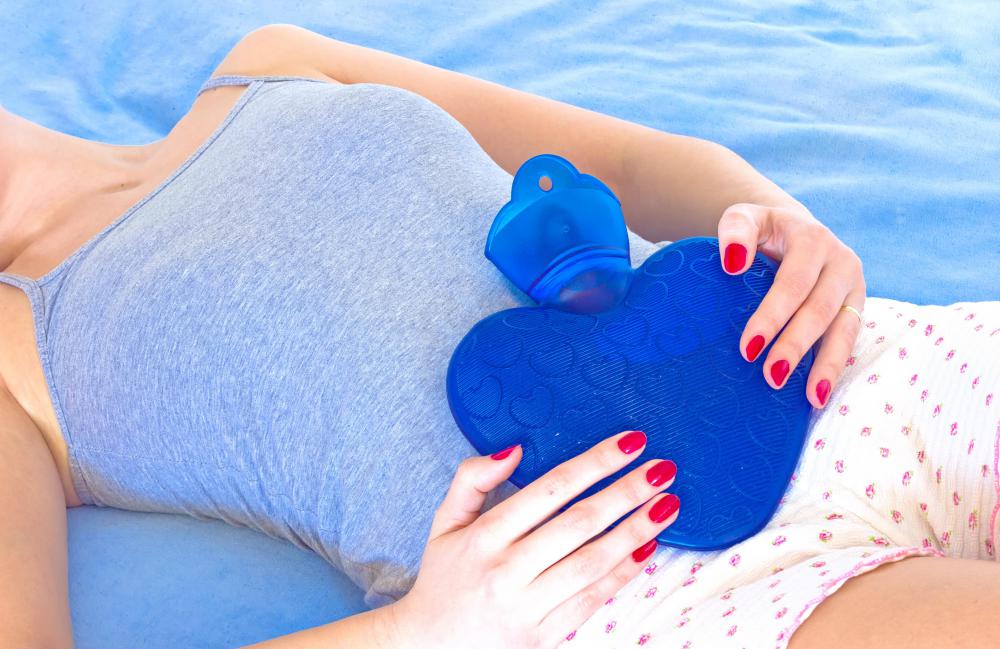
Applying heat to aching areas can also provide significant relief of menstrual cramps. In the past women had to use heating pads at home. Now products like Therma-Care® discreetly attach to either the front or back of underwear and can provide heat to the cramping area for about eight hours. Unlike a heating pad, they can be worn at night since they do not get hot enough to burn the skin.

The last thing one might want to do when one has menstrual cramps is to move around. Yet stretching, walking and gentle exercise like yoga can actually provide relief. In fact, regular exercise may make pain less severe on a monthly basis and gradually make cramping insignificant.
Some women also alleviate monthly menstrual cramps by using birth control pills. Birth control pills do tend to shorten periods and make menstruation less painful. Again not all women can take birth control pills. They should not be taken by women who smoke, or who might be trying to get pregnant. Those who are over 35 have additional risk factors for stroke when taking birth control pills, so cramp relief should be weighed carefully against risk factors.

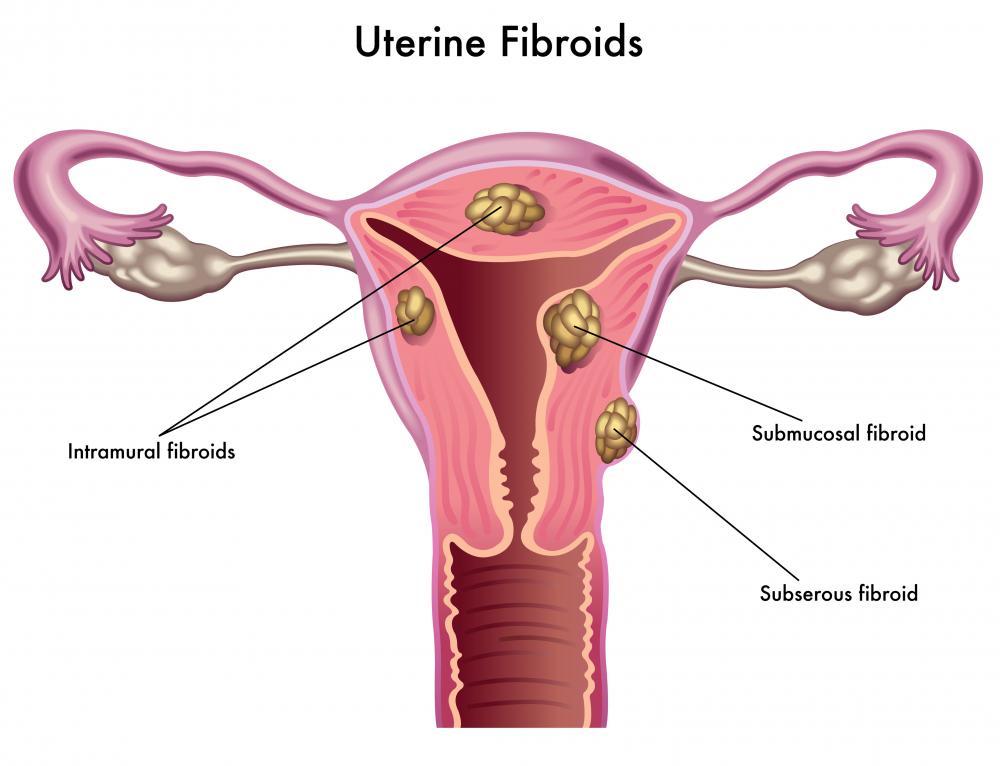
If despite your efforts to naturally reduce cramps, you still notice significant pain, you should see your gynecologist or family doctor to consider other options. Sometimes women who get frequent cysts on their ovaries are more prone to cramping. Women who have fibroids in their uterus may also have heavier bleeding and more severe pain. The causes of these additional conditions should be further investigated.
Tricia Christensen
Tricia has a Literature degree from Sonoma State University and has been a frequent WiseGEEK contributor for many years. She is especially passionate about reading and writing, although her other interests include medicine, art, film, history, politics, ethics, and religion. Tricia lives in Northern California and is currently working on her first novel.
Learn more...
Tricia Christensen
Tricia has a Literature degree from Sonoma State University and has been a frequent WiseGEEK contributor for many years. She is especially passionate about reading and writing, although her other interests include medicine, art, film, history, politics, ethics, and religion. Tricia lives in Northern California and is currently working on her first novel.
Learn more...AS FEATURED ON:
AS FEATURED ON:









-
![Aspirin may be used to relieve menstrual cramps, but does not work for everyone.]() By: blueskies9Aspirin may be used to relieve menstrual cramps, but does not work for everyone.
By: blueskies9Aspirin may be used to relieve menstrual cramps, but does not work for everyone. -
![A gynecologist can offer other options if menstrual cramps do not abate with home treatment.]() By: dalaprodA gynecologist can offer other options if menstrual cramps do not abate with home treatment.
By: dalaprodA gynecologist can offer other options if menstrual cramps do not abate with home treatment. -
![Applying a hot water bottle to the abdomen provides soothing relief for menstrual cramps.]() By: by-studioApplying a hot water bottle to the abdomen provides soothing relief for menstrual cramps.
By: by-studioApplying a hot water bottle to the abdomen provides soothing relief for menstrual cramps. -
![Some women can become completely disabled by menstrual cramps.]() By: Ana Blazic PavlovicSome women can become completely disabled by menstrual cramps.
By: Ana Blazic PavlovicSome women can become completely disabled by menstrual cramps. -
![Taking birth control pills may help alleviate monthly menstrual cramps.]() By: Kimberly ReinickTaking birth control pills may help alleviate monthly menstrual cramps.
By: Kimberly ReinickTaking birth control pills may help alleviate monthly menstrual cramps. -
![Breast tenderness is common during a woman's menstruation cycle.]() By: ArtoBreast tenderness is common during a woman's menstruation cycle.
By: ArtoBreast tenderness is common during a woman's menstruation cycle. -
![Women who have uterine fibroids may have increased bleeding and pain.]() By: rob3000Women who have uterine fibroids may have increased bleeding and pain.
By: rob3000Women who have uterine fibroids may have increased bleeding and pain. -
![Women who get frequent cysts on their ovaries are more prone to cramping.]() By: michaeljungWomen who get frequent cysts on their ovaries are more prone to cramping.
By: michaeljungWomen who get frequent cysts on their ovaries are more prone to cramping. -
![A proper birth control regimen can help with menstrual cramps.]() By: apopsA proper birth control regimen can help with menstrual cramps.
By: apopsA proper birth control regimen can help with menstrual cramps. -
![As long as you're not allergic, NSAIDs like ibuprofen can help relieve menstrual cramps.]() By: Dennis KennedyAs long as you're not allergic, NSAIDs like ibuprofen can help relieve menstrual cramps.
By: Dennis KennedyAs long as you're not allergic, NSAIDs like ibuprofen can help relieve menstrual cramps. -
![An ice pack may help relieve pain associated with menstrual cramps.]() By: overcrewAn ice pack may help relieve pain associated with menstrual cramps.
By: overcrewAn ice pack may help relieve pain associated with menstrual cramps.






Discussion Comments
I started having periods when I was 10. They lasted eight days, with hellish cramps the first four days, and mild cramps the next two days.
Nothing really helped until I got on birth control.
If you really have primary dysmenorrhea (no other causes for excessive period pain and onset about a year after your first period) then I suppose there are different levels of pain, but in my experience (onset at 11 years old, now I'm 44 and have had two children) has been that no pain medication, even prescription drugs provided any amount of relief in my earlier years. My parents resorted to birth control pills after months of trying pain meds and still had to take me in once a month for morphine at hospital emergency.
After having children at 38, I didn't continue using bcp's as the severe cramping did not resume and had my tubes tied at 41/42 for birth control - concerns with age and breast cancer etc.
However, my painful periods returned, plus periods so heavy that I ended up with very low iron levels. After seeing a gyno and finding out there are no other causes for these symptoms, I decided I could not live my life around pain meds (was now taking Naproxen prescription strength) and went back on a very low dose bcp - Minestrin to control the pain and bleeding.
My life is completely changed. My periods are lighter and I still get some (what I consider) mild cramping but nothing that can't be controlled by an Advil - not the entire bottle for a week beforehand and Naproxen 12 hour that makes me feel stoned.
My advice is to get checked out thoroughly to rule out any other causes and find a bcp that works for you. It's life changing. I refuse to live my life around my periods/pain/bleeding. Peri-menopause can take a hike as well! Once I hit 50 everything changes again, so I'm told.
I am over 40 years old and have been getting painful periods since I was 13. I experience severe pain in my lower abdomen and lower back, vomiting, nausea, diarrhea and have almost fainted a few times. Last year, I had to visit the emergency room three times.
I've tried Premenstrual Tension from BrainSync Technology and I saw that if I listen to this for about three or four days before the strike I am more present and more able to handle myself. This helped immensely. Give it a try. This has helped a lot.
Combining milk tea and heating pads is my best solution for dysmenorrhea. I use Helios Heater Heating Pads because I can use them over and over again so it saves me money. I can feel it sending waves of constant heat to really reach inside my abdominal muscles so it can give me pain relief in just ten minutes.
ripe bananas with yogurt (plain, low-fat yogurt), take calcium and magnesium supplements (the amount recommended on the bottle), drinking milk, etc!
Calcium and magnesium-rich foods and supplements, and avoid caffeine! Lie forward on your knees with your face touching the ground (or your bed) and with your buttocks tilted up toward the air while you're in pain. Also try stretching as far backward as possible (your pelvic area) --that seems to push out period-related blood clots. Apply heat pads, walk gingerly around (as you're able--unless this makes it worse). And if you're seated, sit up as straight as possible with your back against the back of a chair. Don't slump forward, or lean sideways.
And be careful not to allow upsetting or stressful (and especially not frustrating or anger-inducing) thoughts enter your mind -- blow them away as soon as they do. The stress of it translates physically with me, at least. So I try to fill my mind with an engrossing novel, or looking at inane things/images, that take your mind away. Laughter really works, like talking to a loved one who's cheery/funny, etc.
I have been in basketball since I was in third grade and now (this is my freshman year) I quit and now my periods are so painful! So yes, exercise. It helps a lot. I am joining a gym here soon and starting Zumba Dance so hopefully that helps.
It took me thirty years to find this out. I take Naproxen (500mg) twice a day, but, the key is I have to take it starting five days before my period will start and keep taking it for two days into my period. It works great. The other thing is to eat a lot of fiber just before your period.
In reply to anon69414. i am 15 and have really bad cramps. i have been reading for two years now of how to reduce cramping. fruit has fiber in it. Fiber cleans the body of excess estrogen which can cause heavier and more painful periods.
Tell your daughter to exercise. get involved in gymnastics or yoga. you won't even know you are having you period or she can just walk every day. also have her drink a lot of calcium -- that helps too. good luck. i hope this helps her.
My 15 year old daughter suffers menstrual cramping and has taken the advice of a nutty naturopath who told her to eliminate all fruits from her diet.
I do not agree with this supposed "treatment" method, nor can I find any info supporting the elimination of fruit. Can anyone help me or explain why one would suggest a "no fruit" diet?
It is good to check the diet before anything else. Fresh fruit and vegetable should be a major part of the diet. The more wholesome the food the better it is.
Strawberry leaf tea when taken daily helps regulate menstrual cycle. Ginger tea helps too with cramping and nausea.
Post your comments