
At AllThingsNature, we're committed to delivering accurate, trustworthy information. Our expert-authored content is rigorously fact-checked and sourced from credible authorities. Discover how we uphold the highest standards in providing you with reliable knowledge.
How can I Reduce my Ecological Footprint?
 Mary McMahon
Mary McMahon
Mary McMahon
An ecological footprint is a gauge of how many resources you use. It is relatively easy to make a few small changes that will drastically reduce your ecological footprint, and if you are willing to invest more time and energy, you can reduce it even further. The first step to take is to figure out what your footprint is. Answering a short series of questions about your driving habits, source of food, garbage generation, and local area generates a rough estimate of how much land it takes to sustain you.
About 4.5 acres (about 18,211 square meters) of usable land are available to every human being on Earth, but in the United States, the average footprint is 24 acres (97,124.6 square meters). Clearly, there is a disparity between land usage and available resources. Many environmentalists believe that countries with more developed economies have an obligation to reduce their ecological footprints so that future generations will still have resources.

If you are interested in seeing how small changes make a difference, find a quiz online and answer it with your normal living habits and take note of the result. Then make small changes in your answers: say that you take public transit more often, generate less garbage than your neighbors, or source more of your food locally. The result will be smaller at the end of the quiz, directly showing you how small changes can affect your resource use.

One of the main ways to reduce your ecological footprint is to change the way you use energy. If you rent your home, try purchasing energy efficient light bulbs, and remember to turn off electronic devices when you are not using them. If you own your appliances, think about purchasing a gas stove, a more efficient fridge, or an on-demand hot water heater. High efficiency washers and dryers can also help to reduce the amount of energy you use and make your utility bills cheaper. If you own your home, seek out alternative energy sources like solar panels and windmills.

To reduce your footprint away from home, think about how you get from here to there. Use public transit more, or ride a bicycle when the trip is short. Try walking instead of driving. Buy food produced locally to reduce the amount of energy wasted transporting it from distant locations to the supermarket. In addition to being better for the environment, buying local food also supports the local economy.

Reducing the amount of resources you use can also be greatly assisted by the three R's: reduce, reuse, and recycle. Try to reduce the amount of resources you use by purchasing items with minimal packaging, and don't buy things that you won't use. Reuse empty containers, take advantage of thrift stores, and find creative ways to bring new life to old belongings. Recycle unwanted items, either in curbside recycling or in the form of donations to thrift stores.

To reduce your ecological footprint even further, think about more extreme lifestyle changes. Live in a smaller house, or share the space in your home with more people. Change your diet: animal products are far less efficient than plant products and require far more energy to produce. You can fly less often as well, as commercial airplanes are a huge source of the carbon emissions that are damaging the environment. Start growing a garden, and encourage others to do the same.

Whether you make small or large changes, they will all make a difference. Showing other citizens how easy it is will also encourage people to explore ways to reduce their own ecological footprints, and lead to less consumption in general. While it might seem difficult at first, your changes will make a positive difference in the total amount of resources available on Earth, and will make human life more sustainable.
Frequently Asked Questions
What is an ecological footprint?
An ecological footprint measures the impact of a person or community on the environment, expressed as the amount of land required to sustain their use of natural resources. It encompasses factors like carbon emissions, water usage, and waste production. The Global Footprint Network provides tools to calculate individual footprints, highlighting the importance of sustainable living.
How can I reduce my carbon emissions to lower my ecological footprint?
Reducing carbon emissions can be achieved by using public transportation, carpooling, biking, or walking instead of driving. Additionally, investing in energy-efficient appliances, reducing meat consumption, and supporting renewable energy sources are effective strategies. According to the EPA, transportation accounts for the largest portion of total U.S. greenhouse gas emissions, making changes in this area particularly impactful.
What role does diet play in my ecological footprint?
Diet plays a significant role in your ecological footprint. Consuming less meat, particularly beef, which according to the Food and Agriculture Organization of the United Nations, has a larger environmental impact due to land and water use and methane emissions, can greatly reduce your footprint. Embracing a plant-based diet is more sustainable and reduces pressure on natural resources.
Can reducing water usage affect my ecological footprint?
Yes, reducing water usage can significantly affect your ecological footprint. Simple actions like fixing leaks, taking shorter showers, and using water-efficient fixtures can lower water consumption. The EPA states that the average family can save 180 gallons per week by fixing household water leaks, which also conserves the energy required for water heating and treatment.
How does waste reduction help in minimizing my ecological footprint?
Waste reduction is crucial in minimizing your ecological footprint. By practicing the three Rs—reduce, reuse, recycle—you can decrease the amount of waste sent to landfills, conserve natural resources, and reduce pollution. The EPA emphasizes that recycling just 10 plastic bottles saves enough energy to power a laptop for over 25 hours, illustrating the energy-saving benefits of waste reduction.
What impact does energy consumption have on my ecological footprint?
Energy consumption has a direct impact on your ecological footprint. Using less energy at home by turning off lights, unplugging electronics, and upgrading to energy-efficient appliances can reduce your footprint. The U.S. Department of Energy reports that LED bulbs use up to 90% less energy than traditional incandescents, showcasing the potential for significant energy savings with smarter choices.
Mary McMahon
Ever since she began contributing to the site several years ago, Mary has embraced the exciting challenge of being a AllThingsNature researcher and writer. Mary has a liberal arts degree from Goddard College and spends her free time reading, cooking, and exploring the great outdoors.
Learn more...
Mary McMahon
Ever since she began contributing to the site several years ago, Mary has embraced the exciting challenge of being a AllThingsNature researcher and writer. Mary has a liberal arts degree from Goddard College and spends her free time reading, cooking, and exploring the great outdoors.
Learn more...AS FEATURED ON:
AS FEATURED ON:









-
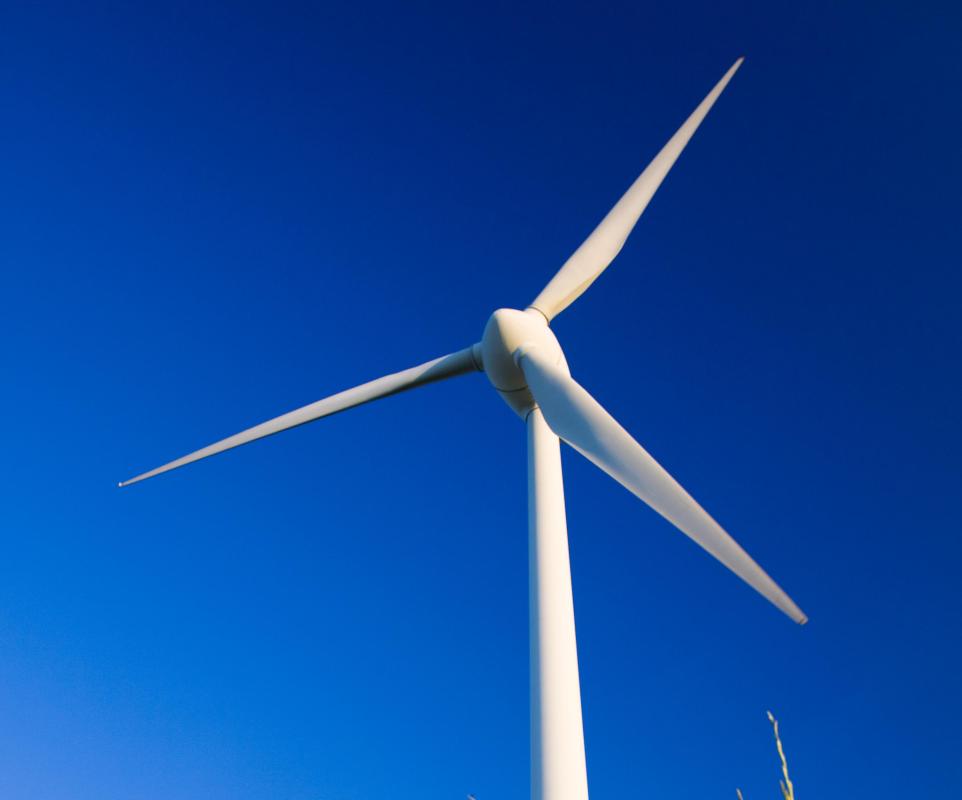
![People can reduce their ecological footprints by using sustainable energy, like wind power, instead of fossil fuels.]() By: GbuglokPeople can reduce their ecological footprints by using sustainable energy, like wind power, instead of fossil fuels.
By: GbuglokPeople can reduce their ecological footprints by using sustainable energy, like wind power, instead of fossil fuels. -
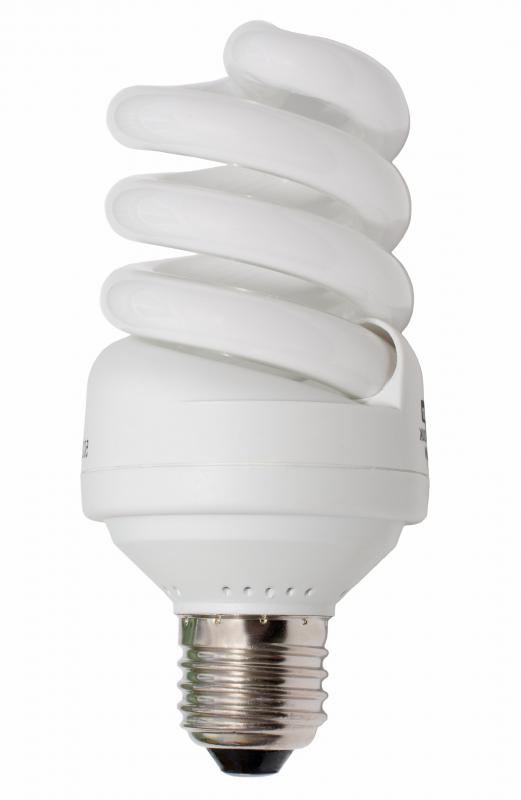
![Switching to energy efficient CFL lights can help reduce your ecological footprint.]() By: li_alSwitching to energy efficient CFL lights can help reduce your ecological footprint.
By: li_alSwitching to energy efficient CFL lights can help reduce your ecological footprint. -
![One way people can reduce their ecological footprint is by reusing containers.]() By: Winai TepsuttinunOne way people can reduce their ecological footprint is by reusing containers.
By: Winai TepsuttinunOne way people can reduce their ecological footprint is by reusing containers. -
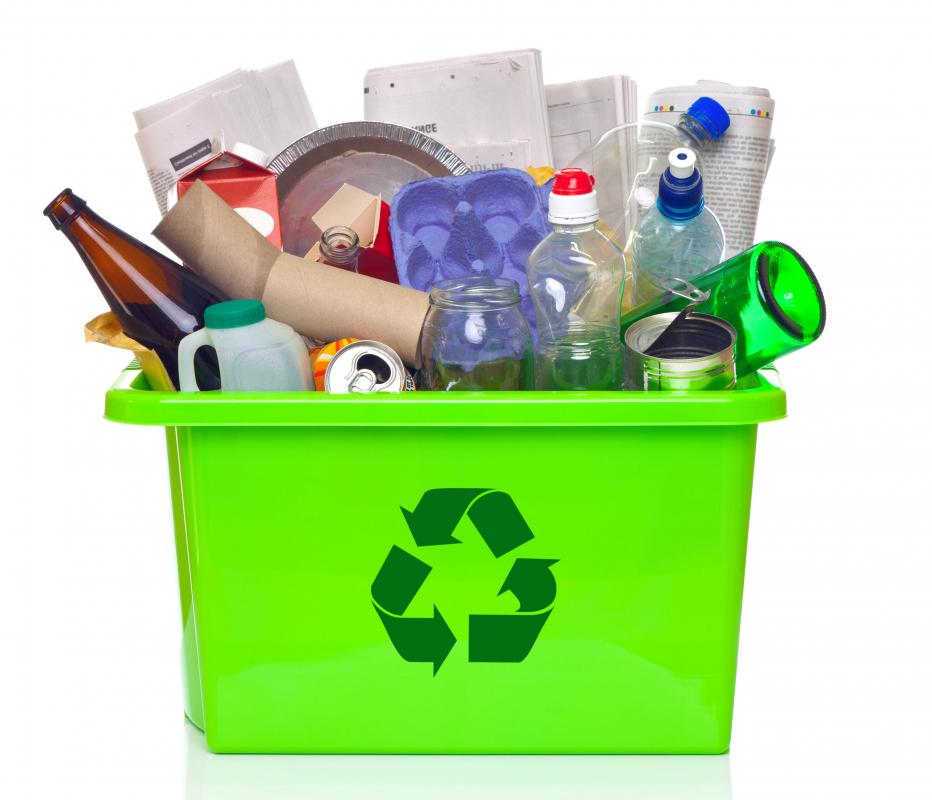
![People can reduce their environmental impact by recycling items such as paper, plastic bottles, and tin cans.]() By: RTimagesPeople can reduce their environmental impact by recycling items such as paper, plastic bottles, and tin cans.
By: RTimagesPeople can reduce their environmental impact by recycling items such as paper, plastic bottles, and tin cans. -
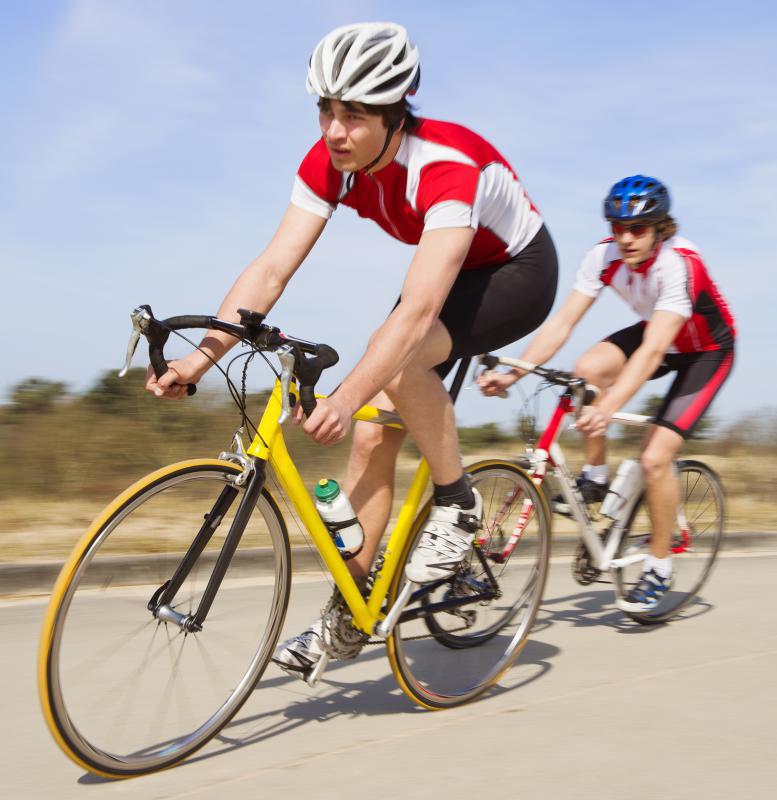
![Riding a bicycle during a short trip may help reduce an ecological footprint.]() By: corepicsRiding a bicycle during a short trip may help reduce an ecological footprint.
By: corepicsRiding a bicycle during a short trip may help reduce an ecological footprint. -
![Using public transportation instead of private vehicles is better for the environment.]() By: Eléonore HUsing public transportation instead of private vehicles is better for the environment.
By: Eléonore HUsing public transportation instead of private vehicles is better for the environment.

Discussion Comments
It really isn't difficult because it is harder to take fewer baths than shorter showers. You waste more water in baths rather than in showers.
I live in an area that has a pretty short growing season, but I like to buy as much of my food local as I can. I go to farmers markets a couple times a week and wish I lived in a place where they had these year round.
This is a win-win situation for everyone. I am supporting local growers, get better food for myself and my family and am reducing the carbon footprint of so many trucks on the road.
I think everyone can take a few simple steps to reduce their ecological footprint. We have made a few changes at our house, and now they have become habits. I never let the water run when I am brushing my teeth anymore. I turn my computer off at night and never leave a room without turning off the lights.
I have never taken an ecological footprint quiz, but I think it would be something that would be beneficial for everyone to do. It would probably give you a lot to think about.
A few years ago when they delivered a big green recycle bin to us I wondered what I would ever fill it up with. They come and collect this every 2 weeks, and at first I went a month before it was full.
Now that I am getting used to recycling, I put way more in this bin than the regular garbage bin. Most of the time now the bin is overflowing before collection day ever comes.
@anon255691-- I think about the only way it would work for most people to take shorter showers is if they didn't have hot water. Nobody likes to stay in a cold shower for very long.
When we go camping in the mountains we do have a place where we can take a hot shower, but the water is limited. The water for the shower doesn't flow all the time like a regular shower does.
You have to pull a cord or push a button to get the water to flow and it is pretty hard to take a long shower this way. You have water just long enough to get wet and lather up. Then you have a little bit more to rinse off.
They call these military showers. I know they are conserving water, but I sure miss my long hot shower and that is one of the first things I do when I get home.
Shorter showers would be difficult.
Reducing water consumption is a good start. Taking shorter showers for example, or re-using some of the water used in the kitchen. When washing vegetable, use that water in your garden instead of letting it go down the drain.
While buying drinks in cans and bottles is very convenient, its quite a waste even if you recycle. As I heard more and more about environmental I've decided to move away from convenient water bottles and soda cans and am only using a filtered water pitcher and 2 liter bottles. The extra time it takes to pour a drink in a reusable on-the-go container isn't worth the excessive trash you create!
Post your comments