
At WiseGEEK, we're committed to delivering accurate, trustworthy information. Our expert-authored content is rigorously fact-checked and sourced from credible authorities. Discover how we uphold the highest standards in providing you with reliable knowledge.
How can I Prevent Computer Vision Syndrome?
Computer vision syndrome (CSV) results from staring at a computer screen for a long time without breaks to rest the eyes. There are a number of ways to minimize the damage this will cause, and most of them are quite easy and well worth doing.
Many different effects can be caused by computer vision syndrome, and the severity can differ greatly depending on the person and how frequently he or she stares at a computer screen. Effects can include headaches, ranging from minor annoyances to full-blown migraines, dry eyes, chronic fatigue, vision problems, and back and neck pain.

There are steps a computer user can take to minimize the effects of computer vision syndrome, and the easiest often involve just altering the environment somewhat. One of the largest causes of severe cases is bad lighting in the ambient environment. Reducing glare and harsh lights can help enormously. Replacing fluorescent lighting with full-spectrum lighting, and making sure the light is diffuse and even, will minimize the damage caused by staring at a computer screen.

Making sure there is nothing in the environment that will cause the eyes to dry out quickly is another good step to reduce the damage of computer vision syndrome. Since the eyes tend to stay open for long periods of time when focusing on a computer screen, they can dry out quickly, causing damage. If there are high-powered vents, or fans, or natural air flow which run across your eyes and suck up the moisture, you will be more prone to experiencing problems.

Taking a break occasionally to focus the eyes on a further point is another good way to avoid computer vision syndrome. This is often referred to as the 20-20-20 rule, meaning that roughly every 20 minutes you should pick a point about 20 feet away and focus on it for 20 seconds. By helping the eyes change their focal distance, this exercise reduces the effects of blurry vision and difficulty in focusing caused by computer vision syndrome. Try to take breaks regularly from whatever you’re doing on the computer as well, as the primary cause of this problem is prolonged exposure to a screen without any respite.

Other easy ways to avoid computer vision syndrome include regular use of eye drops to keep the eyes moist and using special screen-saver programs to help you remember when to take breaks. It can also help to place your monitor a bit lower on your desk than your eye-line, so that you are looking slightly down at it. People with vision problems may also get special pairs of computer glasses, which will help prevent this problem. These glasses can usually be purchased at any major provider of corrective eye-wear.

Computer vision syndrome can affect people of all ages, but it is of particular concern for younger children. Since their eyes have not finished developing, they are especially susceptible to problems like this. It is important to stress the important of taking regular breaks from the computer to your children, and to help them create the environment they need to protect the health of their vision.
AS FEATURED ON:
AS FEATURED ON:









-
![Wearing glasses to better focus on the monitor may help prevent computer vision syndrome.]() By: prosotphotoWearing glasses to better focus on the monitor may help prevent computer vision syndrome.
By: prosotphotoWearing glasses to better focus on the monitor may help prevent computer vision syndrome. -
![Neck pain may be caused by computer vision syndrome.]() By: paisan191Neck pain may be caused by computer vision syndrome.
By: paisan191Neck pain may be caused by computer vision syndrome. -
![Staring at a computer screen for long periods of time can lead to computer vision syndrome.]() By: RidoStaring at a computer screen for long periods of time can lead to computer vision syndrome.
By: RidoStaring at a computer screen for long periods of time can lead to computer vision syndrome. -
![Dry eyes may be caused by computer vision syndrome.]() By: ia_64Dry eyes may be caused by computer vision syndrome.
By: ia_64Dry eyes may be caused by computer vision syndrome. -
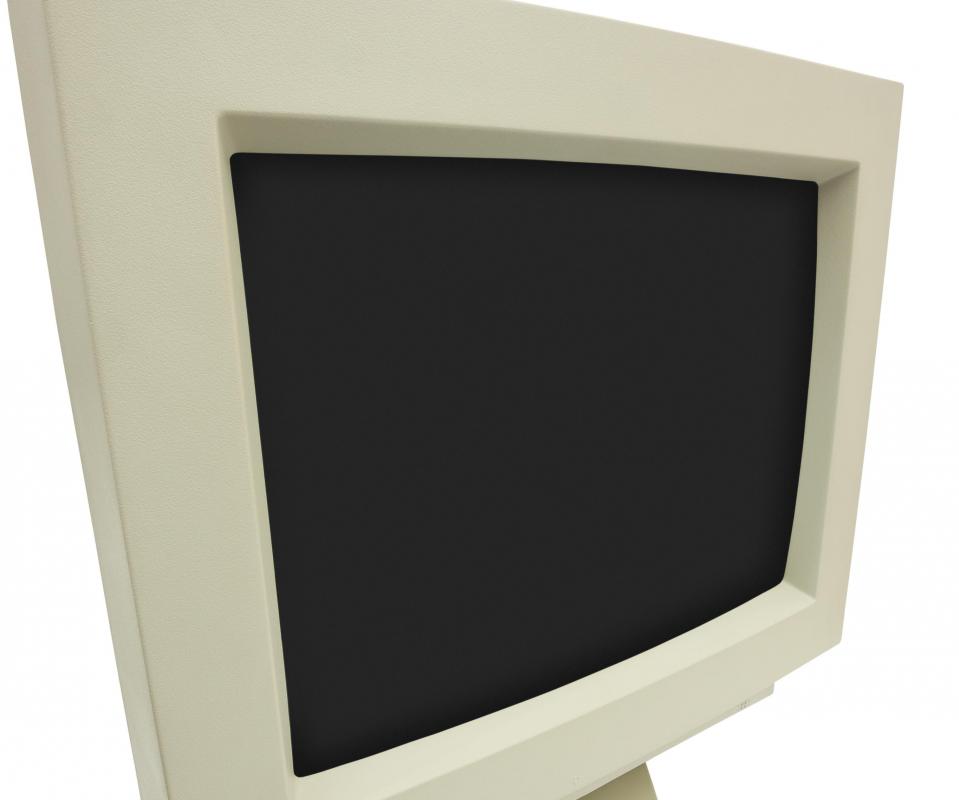
![Older computer monitors weren't designed to prevent eyestrain.]() By: dpullmanOlder computer monitors weren't designed to prevent eyestrain.
By: dpullmanOlder computer monitors weren't designed to prevent eyestrain. -
![If eyes become tired or dry, it is often best to rest them.]() By: Innovated CapturesIf eyes become tired or dry, it is often best to rest them.
By: Innovated CapturesIf eyes become tired or dry, it is often best to rest them. -
![Children can be especially susceptible to computer vision syndrome.]() By: wckiwChildren can be especially susceptible to computer vision syndrome.
By: wckiwChildren can be especially susceptible to computer vision syndrome. -
![Many vision care centers carry prescription glasses designed to cut down on computer glare.]() By: JPC-PRODMany vision care centers carry prescription glasses designed to cut down on computer glare.
By: JPC-PRODMany vision care centers carry prescription glasses designed to cut down on computer glare.





Discussion Comments
I found that switching from an older CRT computer monitor to a modern flat screen helped reduce the symptoms of computer vision syndrome for me. I also got my eye doctor to prescribe new lenses that are supposed to help cut down on computer eyestrain. He said computer monitors weren't designed with eye health in mind.
I spend hours a day staring at a computer screen, and I think I have almost all of the symptoms of computer vision syndrome. I keep eye drops in my top desk drawer, and it seems like I'm using them about every two hours or so. By the time I leave for the day, my neck and back are killing me and I have the worst headache.
What's strange is that the co-worker who sits next to me works the same hours with the same kind of computer monitor, and she rarely complains about anything. I'm going to sneak over to her desk one day and see what she's doing that I'm not doing. Maybe she's blessed with perfect eye health, or maybe she's figured out a way to avoid computer eyestrain entirely.
Post your comments