
At WiseGEEK, we're committed to delivering accurate, trustworthy information. Our expert-authored content is rigorously fact-checked and sourced from credible authorities. Discover how we uphold the highest standards in providing you with reliable knowledge.
How can I Make Guacamole?
 Tricia Christensen
Tricia Christensen
Tricia Christensen
The simplest form of guacamole is made by peeling and pitting ripe avocados, and then mashing them. Some people prefer a chunkier version, while others prefer a more finely mashed product. For chunky guacamole, a fork is usually the best choice for mashing. Potato mashers work well for a less lumpy versions. Additional ingredients add interest to this dip and numerous suggestions await the adventurous cook.
Choosing ripe avocados is important. When you look for avocados in the store, look for they should give under slight pressure from your fingers. When avocados are not in season, be sure to purchase them several days before you plan to make guacamole, and ripen them in a paper bag. Avocados that remain hard will not mash well, and will result in unpleasant bits of hard avocado in the end product.

Over-mashing very ripe avocados leads to soupy guacamole. It will not adhere well to chips, but can still top food. Generally, aim for mashing avocados only until large chunks have been incorporated, especially if you plan to serve it as a dip with chips.
Some cooks add a little salt and pepper to their guacamole. If you do plan to serve it with chips, or on any dish that is relatively salty, consider adding only a little salt. Too much salt in the dip will not pair well with salty tortilla chips. Another common addition is lemon or lime juice to taste. This will help keep it from turning brown. Alternately, you can save the color of the dip by covering it with plastic wrap or storing it in an airtight container. This food's shelf life, even with these steps, is still only a day or two at most.

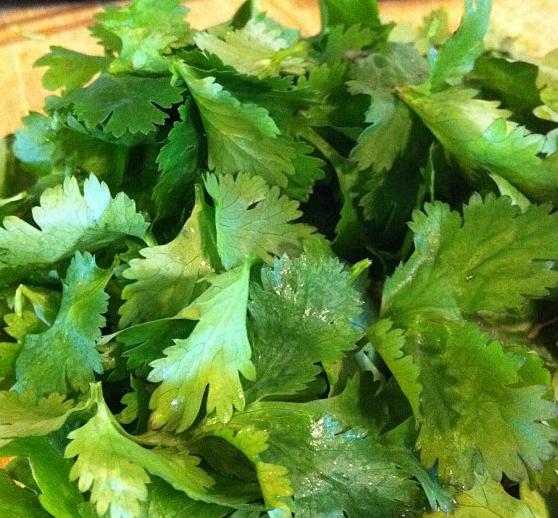
If you’re planning to serve guacamole with Tex-Mex food, like fajitas, common additions include pepper, finely diced cilantro, lime juice, chopped medium to hot chili peppers, and minced garlic. Some cooks also enjoy adding a little chopped tomatoes or onions to produce a heartier dip. A very easy cheat is to add a couple of tablespoons of store bought or homemade salsa to the mix. You can also substitute onion, garlic or chili powder to the dip for freshly chopped onions, garlic or chili.

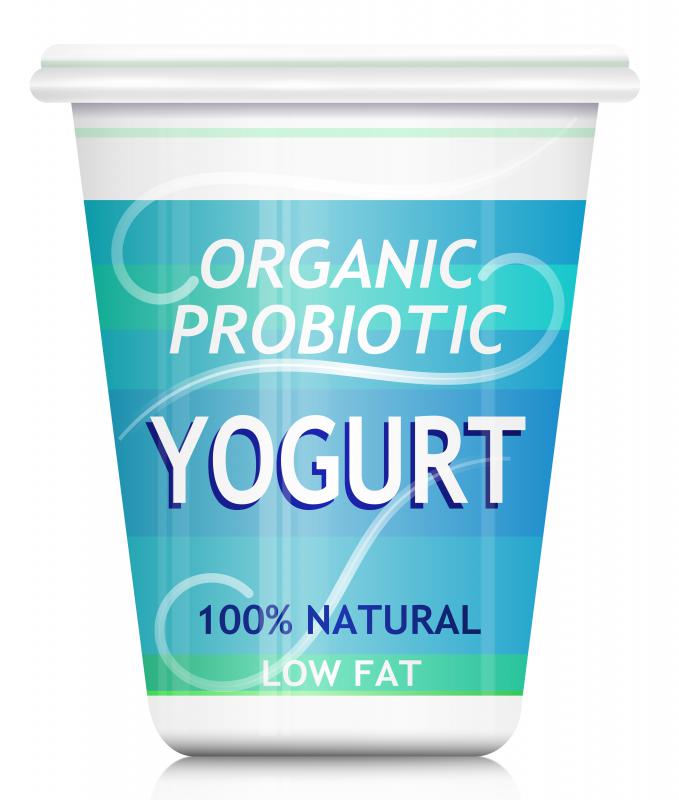
Some people prefer a creamier version and may add sour cream or yogurt. This can also stretch out the avocados if the avocados used have not ripened as much as needed. Sour cream will add quite a bit of fat to the recipe, but nonfat yogurt can add tang and actually lower the overall fat content of the dish. Unlike the instructions above for mashing, you will want to mash your avocados to a finer consistency before incorporating sour cream or yogurt.

If you plan to serve guacamole as a dip, and it will sit out for several hours, consider using half a small to medium-sized avocado per person. As a topping, serving size is usually about 2 tablespoons or 2 ounces (about 56 g), and the average sized avocado will make about 1 cup of guacamole (226 g). For a dip that will sit out for several hours at a party, consider using about three to five avocados so the dip doesn’t run out. For smaller parties or for topping only, you will only need about two to three avocados.
Tricia Christensen
Tricia has a Literature degree from Sonoma State University and has been a frequent WiseGEEK contributor for many years. She is especially passionate about reading and writing, although her other interests include medicine, art, film, history, politics, ethics, and religion. Tricia lives in Northern California and is currently working on her first novel.
Learn more...
Tricia Christensen
Tricia has a Literature degree from Sonoma State University and has been a frequent WiseGEEK contributor for many years. She is especially passionate about reading and writing, although her other interests include medicine, art, film, history, politics, ethics, and religion. Tricia lives in Northern California and is currently working on her first novel.
Learn more...AS FEATURED ON:
AS FEATURED ON:









-
![Cilantro is often included in guacamole.]() By: Amber DeGraceCilantro is often included in guacamole.
By: Amber DeGraceCilantro is often included in guacamole. -
![Garlic is sometimes added to guacamole.]() By: SchliernerGarlic is sometimes added to guacamole.
By: SchliernerGarlic is sometimes added to guacamole. -
![Yogurt can help make a creamier guacamole.]() By: creative soulYogurt can help make a creamier guacamole.
By: creative soulYogurt can help make a creamier guacamole. -
![Chili peppers are a key ingredient in most guacamole recipes.]() By: Giuseppe PorzaniChili peppers are a key ingredient in most guacamole recipes.
By: Giuseppe PorzaniChili peppers are a key ingredient in most guacamole recipes. -
![Guacamole is commonly served with fajitas.]() By: Stuart MonkGuacamole is commonly served with fajitas.
By: Stuart MonkGuacamole is commonly served with fajitas. -
![Guacamole is made from mashed avocados.]() By: Brad PictGuacamole is made from mashed avocados.
By: Brad PictGuacamole is made from mashed avocados. -
![Preparing fresh avocados is a basic step in making avocado dip.]() By: khzPreparing fresh avocados is a basic step in making avocado dip.
By: khzPreparing fresh avocados is a basic step in making avocado dip.



Discussion Comments
big hint, when keeping guacamole and not wanting it to turn green, make sure you save one of the avocado pits and place it in the made guacamole, this will keep it from turning brown on top.
Can I make a salad dressing out of avocado? Or can I make guacamole as a salad dressing( Its texture/ composition is like guacamole but the taste is like salad dressing)? Is it possible?
I have a thesis to make, and my topic is about avocado products... thank you..
Post your comments