
At WiseGEEK, we're committed to delivering accurate, trustworthy information. Our expert-authored content is rigorously fact-checked and sourced from credible authorities. Discover how we uphold the highest standards in providing you with reliable knowledge.
How can I Make Bread?
 Mary McMahon
Mary McMahon
Mary McMahon
The basic ingredients for bread are flour, oil, salt, water, and a leavening agent. The easiest way to leaven bread is to purchase dry yeast granules, which you can activate when you are ready to use them. To make a very basic loaf, start by mixing one tablespoon of active dry yeast with one half cup of warm tap water in a large metal or wooden bowl. The water should be lukewarm to the touch, or it will kill the yeast. Add one tablespoon of sugar for the yeast to feed on, and let the mixture sit for approximately 10 minutes. This is called “proofing” the yeast; if the yeast is good, a rich foamy layer will have formed on top of the bowl when you return, and if you lean your head next to the bowl, you will be able to hear the yeast foaming. If this does not occur, discard the yeast and start over.
Next, add one tablespoon of salt, one half cup honey, or another sweetener of your choice, such as brown sugar, and two cups of lukewarm liquid. Tap water is excellent, but you can also scald milk for this purpose, as long as you remember to allow it to cool before mixing it in. Next, start adding white or wheat flour, or a mixture, in small increments. An exact measurement is difficult, because the amount of flour needed will change, depending on a lot of variables. Add approximately one cup at a time, mixing thoroughly between each cup with a strong mixing spoon, and after the first cup of flour, add in one quarter cup olive oil, melted butter, or another oil of choice.

Keep adding flour until the dough starts to come together in a mass. It will still be highly sticky at this point, and may be slightly lumpy. Cover a large clean, flat surface with a dusting of flour and turn the dough out onto it, allowing it to rest for several minutes before beginning the next stage. After the dough has rested, start kneading, rolling the dough into itself and working it around the kneading surface. Keep adding a dusting of flour as the dough absorbs it, and keep kneading the dough. It will start to turn smooth and elastic after approximately twenty minutes. The dough will spring back when pressed, and will also have no trace of stickiness, remaining smooth and soft to the tough. It is ready for the first rising.

Place the dough into a large oiled bowl, and cover it with a damp kitchen towel or a piece of oiled plastic wrap. Allow the dough to sit in a warm place for approximately one hour, until it has doubled in size. The yeast inside the bread is starting to do its work now that you have relaxed the gluten by kneading it, and it will start to slightly ferment the dough, forming carbon dioxide bubbles which will give the finished product a familiar texture. After the dough has doubled in size, punch it down, and make loaves. This recipe makes one large loaf, but it can also be used to make smaller loaves or rolls. Allow the loaves to rise 30 to 45 minutes, until doubled, and then place them in a 375 degrees Fahrenheit (191 degrees Celsius) for 45 minutes. When fully cooked, the bread will sound hollow when tapped on the bottom, and is ready to be cooled on racks and then eaten.

Using this base recipe, you can create a variety of breads by experimenting with ingredients once you have made basic recipe successfully several times. Try adding nuts, herbs, fruit, eggs, or spices. For dense whole wheat bread, use only whole wheat flour. For more moderate version, mix white flour in, and for pure white bread, use only white flour; white flour is great for making a cinnamon loaf. You can also experiment with other grain flours, or a mixture of flours. Once you have mastered this type, you can also explore sourdoughs and other starter breads, which use a different leavening style.
Mary McMahon
Ever since she began contributing to the site several years ago, Mary has embraced the exciting challenge of being a WiseGEEK researcher and writer. Mary has a liberal arts degree from Goddard College and spends her free time reading, cooking, and exploring the great outdoors.
Learn more...
Mary McMahon
Ever since she began contributing to the site several years ago, Mary has embraced the exciting challenge of being a WiseGEEK researcher and writer. Mary has a liberal arts degree from Goddard College and spends her free time reading, cooking, and exploring the great outdoors.
Learn more...AS FEATURED ON:
AS FEATURED ON:









-
![Various types of bread.]()
Various types of bread. -
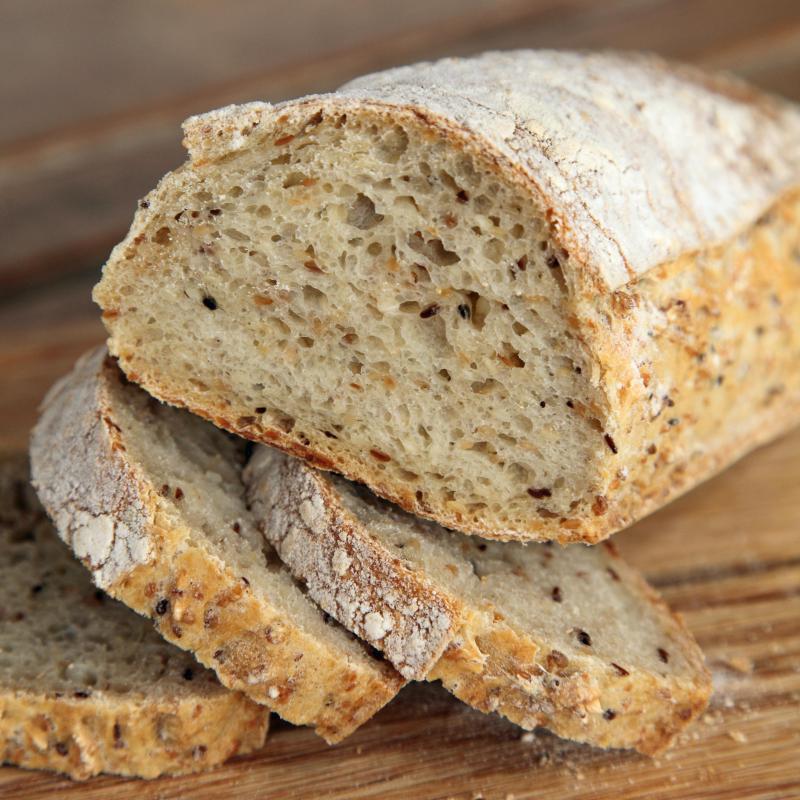
![Slices of bread.]() By: IrochkaSlices of bread.
By: IrochkaSlices of bread. -
![A bowl of active dry yeast, which is used to make bread.]() By: South12thA bowl of active dry yeast, which is used to make bread.
By: South12thA bowl of active dry yeast, which is used to make bread. -
![Bread with sesame seeds in it.]() By: ChantalSBread with sesame seeds in it.
By: ChantalSBread with sesame seeds in it. -
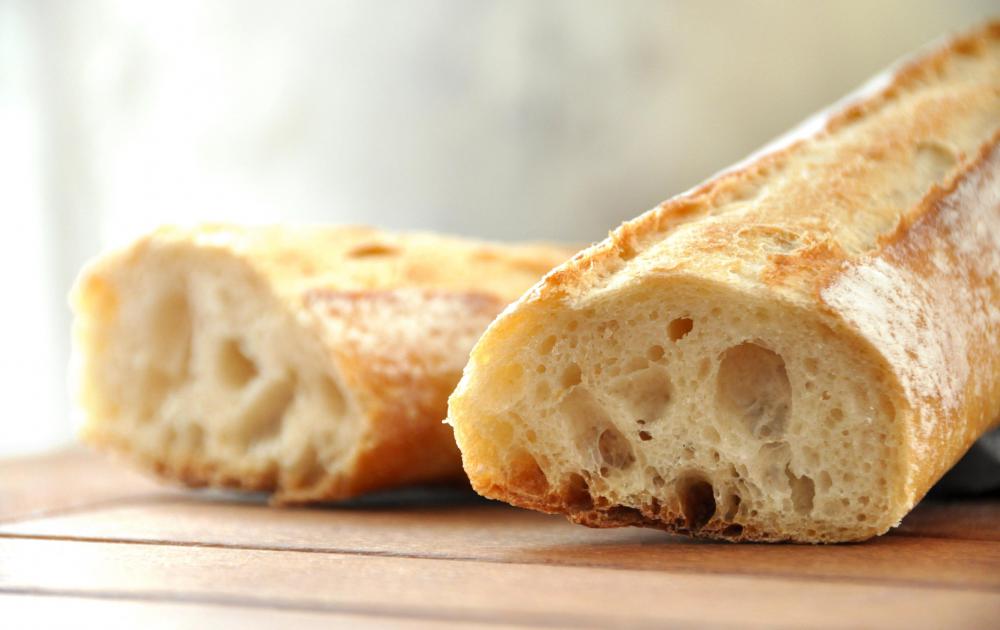
![White bread.]() By: Igor MojzesWhite bread.
By: Igor MojzesWhite bread. -
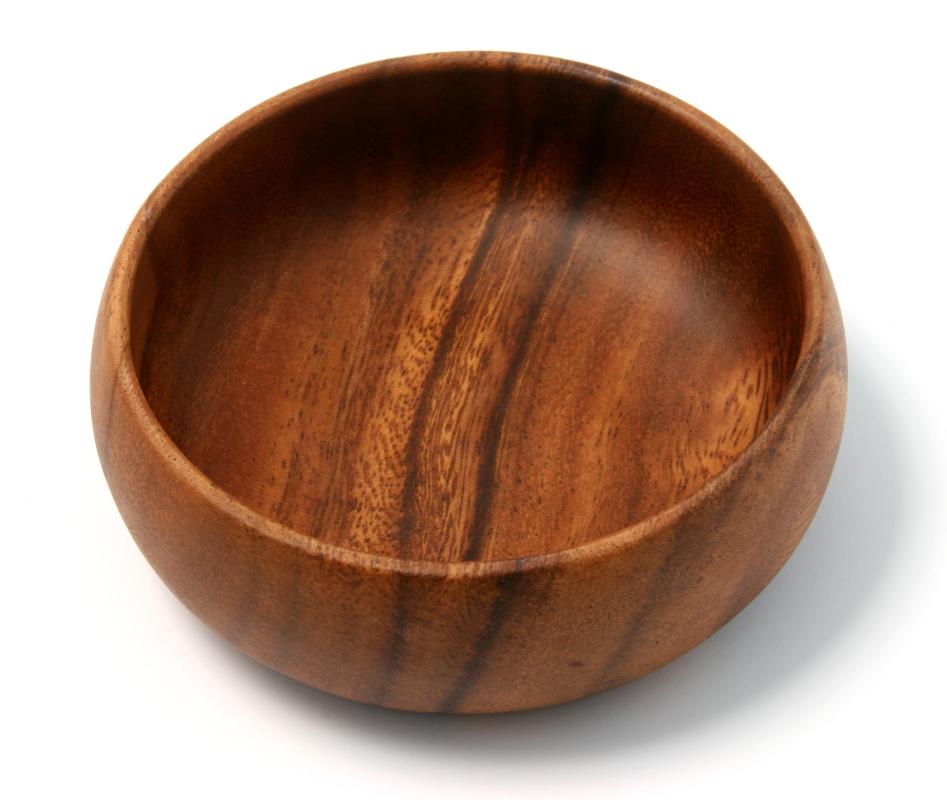
![A wooden bowl, which is good for mixing bread.]() By: Juan Jose GutierrezA wooden bowl, which is good for mixing bread.
By: Juan Jose GutierrezA wooden bowl, which is good for mixing bread. -
![Basic ingredients are required for making a simple loaf of bread.]() By: dutourdumondeBasic ingredients are required for making a simple loaf of bread.
By: dutourdumondeBasic ingredients are required for making a simple loaf of bread. -
![Warm tap water is a basic bread ingredient.]() By: AA+WWarm tap water is a basic bread ingredient.
By: AA+WWarm tap water is a basic bread ingredient. -
![Wheat may be used to make whole wheat bread.]() By: womueWheat may be used to make whole wheat bread.
By: womueWheat may be used to make whole wheat bread. -
![The type and quality of flour used in the dough determines the color, density and taste of the bread.]() By: Studio GiThe type and quality of flour used in the dough determines the color, density and taste of the bread.
By: Studio GiThe type and quality of flour used in the dough determines the color, density and taste of the bread.





Discussion Comments
When I make homemade bread, I found that if I used a little bit of dough enhancer this made a big difference in the quality of my bread. If you can't find this in your local grocery store, you should be able to find it in a health food store.
When I don't have the time to make bread from scratch, but still want that homemade taste, I keep the whole wheat frozen bread loaves on hand, and this is a nice way to get that great taste without all the work. You just need to make sure that you give yourself enough time for the dough to rise.
I have a convection oven that has a proofing option for baking bread. This has been very helpful for me when getting my bread to rise. Keeping it in the oven helps keep the humidity and temperature constant, and just the right amount of heat helps the bread to rise as fast as it needs to.
Once I discovered this way to proof my yeast breads, I have had better results. Before I had this, I would place the pan in the highest, warmest place that I could reach.
You don't need to worry about this when you are making pumpkin or banana bread because they don't have yeast in them, but you do need to make sure your oven is preheated before placing your loaf pan in to bake.
Making your own bread can be extremely rewarding and very frustrating at times. I have had many loaves of bread that didn't rise enough, that rose too high or somewhere in between.
The temperature and humidity in your house can made a big difference in how your bread turns out. It really doesn't take very many ingredients, just a little bit of time and experience to get it right.
When you are just starting out, the best bread recipe to follow is one that is very simple and only has a few ingredients. Once you get the hang of it, you can make variations.
Post your comments