
At TheHealthBoard, we're committed to delivering accurate, trustworthy information. Our expert-authored content is rigorously fact-checked and sourced from credible authorities. Discover how we uphold the highest standards in providing you with reliable knowledge.
How can I Lower Blood Sugar Quickly?
If you want to lower blood sugar quickly, you may be able to do it by exercising vigorously. It might also be possible to drink lots of water to help flush the excess sugar out. There are also some foods that are beneficial for lowering blood sugar. The best way for you to potentially lower your blood sugar would probably be to take any medication prescribed to you that can lower it, but these alternative methods may work if you do not have your medicine on hand.
The reason that exercise might be able to help lower your blood sugar quickly is because it could help you to sweat some of the blood sugar out. In order for this method to work, it will be necessary for you to work up a sweat. Light exercise such as walking either may not work or won't work fast enough to effectively lower the blood sugar. Vigorous exercises, such as aerobics or jogging, are typically most likely to cause you to sweat, and thereby might be some of the most beneficial exercises to lower blood sugar quickly. If you have a health problem such as high blood pressure that would cause vigorous exercise to be harmful for you, it might be best to use another method to lower your blood sugar levels.

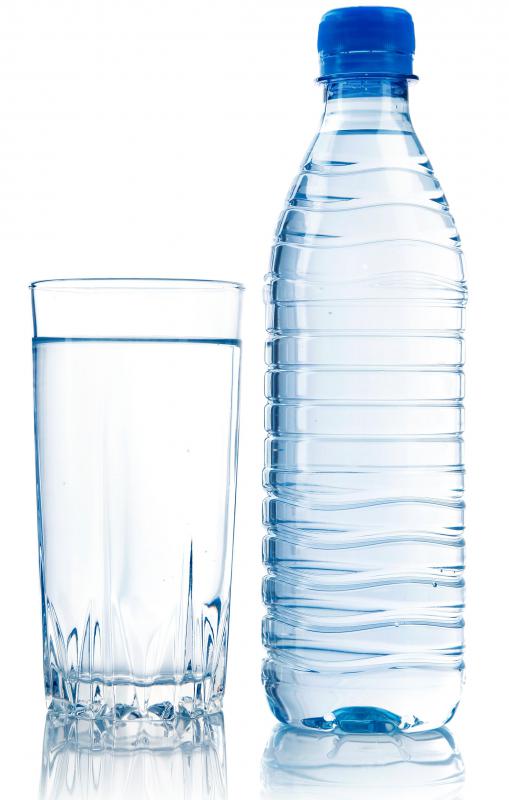
Another potentially good way to lower blood sugar quickly is by drinking lots of water. You can drink two glasses of water back to back and then urinate as soon as the need arises to help flush out excess sugar. This process should be repeated until you have consumed enough water to effectively lower the blood sugar. In addition to drinking water, it might help lower blood sugar quickly to eat things like cinnamon, which is known for having a stabilizing effect on blood sugar, and foods that are high in fiber.

You can occasionally tell if your blood sugar has gotten too high without testing it. Symptoms such as dry mouth, fatigue, and excessive hunger are all signs that sugar levels are high. In the event that none of the methods to lower your blood sugar quickly work for you, it may be necessary for you to seek medical attention. Letting your blood sugar levels get too high may result in problems like vomiting, vision problems, and mental confusion. These are all signs that your blood sugar has reached dangerous levels, and medical help should not be delayed.
AS FEATURED ON:
AS FEATURED ON:


-
![Drinking water can lower blood sugar.]() By: YasonyaDrinking water can lower blood sugar.
By: YasonyaDrinking water can lower blood sugar. -
![Jogging can help lower an individual's blood sugar level.]() By: MartinanJogging can help lower an individual's blood sugar level.
By: MartinanJogging can help lower an individual's blood sugar level. -
![High blood pressure is a complication of persistently high blood sugar levels.]() By: Phase4PhotographyHigh blood pressure is a complication of persistently high blood sugar levels.
By: Phase4PhotographyHigh blood pressure is a complication of persistently high blood sugar levels. -
![Most diabetic patients need to receive daily insulin injections to control their blood sugar levels.]() By: Dmitry LobanovMost diabetic patients need to receive daily insulin injections to control their blood sugar levels.
By: Dmitry LobanovMost diabetic patients need to receive daily insulin injections to control their blood sugar levels. -
![Exercise therapy can be used to help diabetics lower blood sugar levels quickly.]() By: nyulExercise therapy can be used to help diabetics lower blood sugar levels quickly.
By: nyulExercise therapy can be used to help diabetics lower blood sugar levels quickly. -
![Consuming peanuts on a regular basis can help regulate blood sugar.]() By: lirtlonConsuming peanuts on a regular basis can help regulate blood sugar.
By: lirtlonConsuming peanuts on a regular basis can help regulate blood sugar.


Discussion Comments
My sugar right now is 465 -- the highest it's ever been. My normal
sugar is 150-200 but I need to get my sugar back to normal.
@anon293017: Very true. Aerobic exercise, such as brisk walking, will start using available glucose, which helps lower blood sugar. However, very intense anaerobic exercise, like weight lifting, can increase blood sugar temporarily.
One other hint is to eat something high in protein, like a couple of slices of cheese, lunchmeat or a handful of nuts. It sounds counter-intuitive, but what it can do is to give the liver something to do besides dump glucose. Diabetic livers have serious ADHD and if we don't *give* them something to do, they will *find* something to do: dump glucose.
Anon, you don't understand people posting here are *not* "under normal circumstances". When your blood sugar is high, say 300 to, 400 the sugar spills over into the urine, and huge amounts of water help this process immensely and in many cases is the only relief.
Since the body is unable to burn off the glucose by normal muscle activity, then added activity is absolutely essential. It is not good to cloud the information needed by people with a real problem if you are only familiar with normal mild conditions.
When you have lived a few years with your blood sugar always over 200 and blood insulin levels are still high, then you will understand.
Sugar is akin to gold, metabolically speaking. Your body meticulously conserves blood sugar, or glucose, because your brain, muscles and many other tissues use it as their primary fuel. As the kidneys filter your blood, glucose flows with water into the filtrate.
Under normal circumstances, however, virtually all of the filtered sugar is reabsorbed into your bloodstream. Therefore, drinking water does not help flush sugar from your body.
When exercising, the body needs extra energy or fuel (in the form of glucose) for the exercising muscles. For short bursts of exercise, such as a quick sprint to catch the bus, the muscles and the liver can release stores of glucose for fuel. With continued moderate exercising, however, your muscles take up glucose at almost 20 times the normal rate. This lowers blood sugar levels.
But intense exercise can have the opposite effect and actually increase your blood glucose levels. This is especially true for many people with diabetes. The body recognizes intense exercise as a stress and releases stress hormones that tell your body to increase available blood sugar to fuel your muscles. If this happens to you, you may need a little bit of insulin after intense workouts.
For a variety of reasons, after exercise, people with diabetes may have an increase or a decrease in their blood sugar levels.
@afterall, I agree, although it is true that if a person exercises vigorously regularly, and consumes foods low on the glycemic index, or GI, it can help them lower blood sugar naturally. This is sometimes necessary for people with a risk of developing diabetes, because they need to achieve normal blood sugar levels to avoid the disease.
Attempting to quickly lower blood sugar levels is generally not any more advisable than quickly raising them; this is particularly true for those with diabetes or other glycemic conditions, where a spike either way in blood sugar could lead to loss of consciousness or motor skills, or even death.
Post your comments