
At TheHealthBoard, we're committed to delivering accurate, trustworthy information. Our expert-authored content is rigorously fact-checked and sourced from credible authorities. Discover how we uphold the highest standards in providing you with reliable knowledge.
How can I get Rid of Hiccups?
Hiccups result from spasms of the diaphragm that cause involuntary inhalations of air. These inhalations trigger the vocal chords to snap shut to close off the airflow, causing the "hiccup" sound. The spasms can repeat once every few seconds to every few minutes. In some cases medical attention is called for, but in most cases, they go away by themselves. If you don’t care to wait it out, one of the following home remedies might bring relief.
According to medical experts, it isn’t clear what triggers hiccups, though there are many conditions people commonly associate with causing them. Eating too fast, swallowing air and drinking too much are all suspect. Some medical professionals believe that when the stomach becomes distended from too much food or drink it might irritate the adjacent diaphragm, leading to it to spasm.

Whatever the cause, experts do know why some home remedies work. Some remedies increase carbon dioxide in the blood, which stops hiccups. Other remedies stimulate the vagus nerve that runs from stomach to brain. In both cases, the body becomes concerned with an overriding condition and abandons the spasms to tend to the more immediate matter, whether that’s clearing excess carbon dioxide from the blood, or paying attention to the over-stimulated vagus nerve. Try your own hand at these home remedies to see which one works for you.
- Hold your breath for five seconds then drink a glass of water without letting the breath out.
- Breathe into a paper bag.
- Drink a glass of water by taking the water from the opposite side of the glass, thereby “drinking upside down.”
- Extend your tongue then pull it.
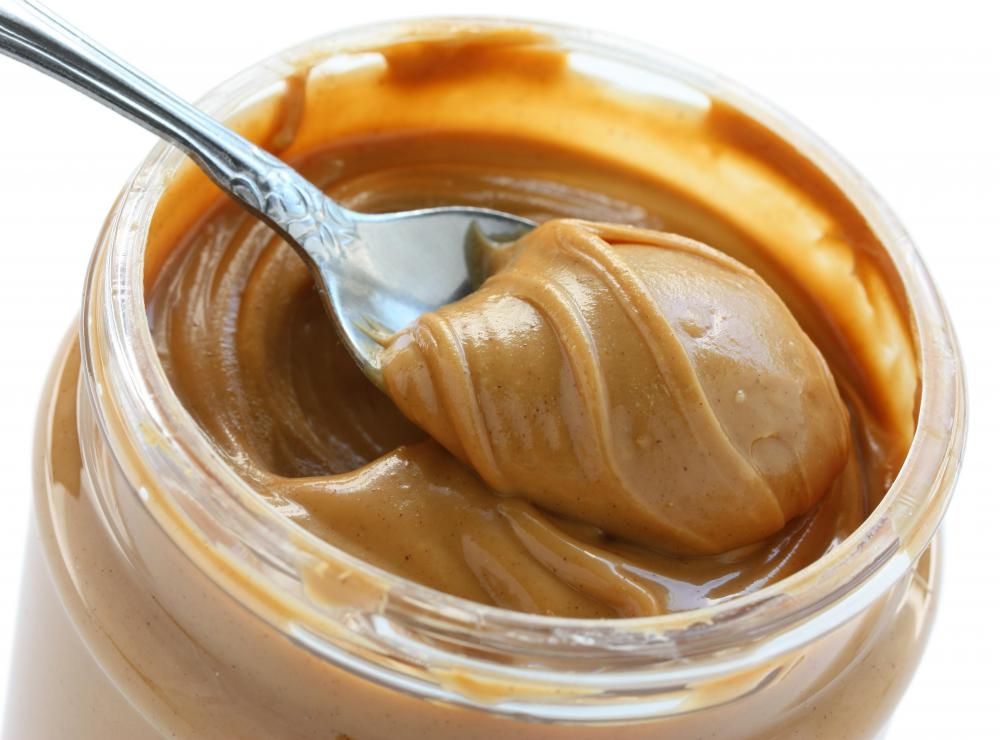
- Put one-half teaspoon sugar at the rear of your tongue and suck on it. Repeat in two minutes for three total times. Alternately, you can try a tablespoon of peanut butter.
- Sniff smelling salts.
- Have someone scare you.
- Try two antacids that contain magnesium.
Hiccups that last longer than three hours are considered chronic and might require medical intervention. Spitting up blood or the presence of severe abdominal pain also warrant medical attention.

Some medications commonly prescribed for persistent hiccups include chlorpromazine (Thorazine), baclofen (Lioresal) and phenytoin (Dilantin). In extreme cases and as a last resort, the nerve that controls the diaphragm can be surgically disabled for those suffering from prolonged, recurrent bouts of hiccuping that have been unresponsive to other treatments.
AS FEATURED ON:
AS FEATURED ON:


-
![Breathing into a paper bag can help to get rid of hiccups.]() By: rakratchadaBreathing into a paper bag can help to get rid of hiccups.
By: rakratchadaBreathing into a paper bag can help to get rid of hiccups. -
![Water can help to relieve hiccups.]() By: zirconicussoWater can help to relieve hiccups.
By: zirconicussoWater can help to relieve hiccups. -
![A diagram showing the vagus nerve, which is connected to hiccups.]() By: AlilaA diagram showing the vagus nerve, which is connected to hiccups.
By: AlilaA diagram showing the vagus nerve, which is connected to hiccups. -
![A tablespoon of peanut butter may provide relief from hiccups.]() By: uckyoA tablespoon of peanut butter may provide relief from hiccups.
By: uckyoA tablespoon of peanut butter may provide relief from hiccups. -
![Hiccups accompanied by severe abdominal pain may be a sign of a more serious problem.]() By: sframeHiccups accompanied by severe abdominal pain may be a sign of a more serious problem.
By: sframeHiccups accompanied by severe abdominal pain may be a sign of a more serious problem.



Discussion Comments
I get them all the time after drinking and eating a lot. I hold my tongue and they're gone.
I agree with the commenter below. I haven't had a case of the hiccups for years. I hiccup once and then somehow mentally stop it by manipulating my throat. I don't know how to describe how to do it, but it always works. I believe it could probably be learned by anyone.
I used to get them bad, like real bad, but I've finally learned to simply control them. I'll hiccup once, then mentally prevent it from becoming an issue. Now I never ever get hiccups.
I know it's not really advice, but I do believe you all can remedy this without gagging, sugar or strange drinking methods. There's so many ways to get rid of them, that it leads me to assume they all stopped their hiccups because they believed it to work, and actually stopped them themselves.
To get rid of the hiccups: 1- get a bottle of water (a glass will work but not as easily)
2- put your head upside down
3-drink the water upside down
Hopefully your hiccups are gone by now!
Seriously. Just play the scary maze game. I didn't think it would work but it did. It scares them out of you.
I tried vomiting after drinking plenty of water. It works for me.
it worked and it really helped me.
I just coughed three to six times.
Big thanks to anon167849. Inhaled as much air as I could, and I let it out slowly. Worked the first time.
A friend's co-worker just had them for two weeks and what worked for him was bitters and soda or lemon. They went away immediately. That simple!
just don't concentrate on them. occupy yourself with running or something else. they go away after a while.
Have had hiccups all day. Totally filling lungs with air then letting out slowly, repeat twice, totally worked. Thanks for the heads up.
you people take this too seriously. There is no mess required, no water, no sugar, no nothing. Just take a deep breath. Once you've inhaled all that you can, suck in more air, then more, then more. Fill your lungs completely, thus ridding them of space to hiccup. Then hold it as long as you can and let it out slowly.
Works every time. It's science, not throwing up or peanut butter or sugar or all that other nonsense. Just science.
I just ate something and then it was gone. try eating a lollipop.
Sugar is the only thing has ever worked for me!
I take a spoon full of sugar, place it towards the back of my tongue, and let it "melt", while also inhaling through my mouth as well. Some times I do not have enough sugar, and my hiccups continue, so I just add more after a bit.
Drinking upside down works! thanks for the tips.
I just looked up articles on how to get rid of hiccups and by the second one they were gone with no help from them.
if you have the hiccups try drinking a cup of water with a paper towel over it. it's weird but it works.
What I do is hold my breath and then attempt to swallow five or more times. It works every time. No lie! Try it, it really does work!
Rubbing your earlobes for five seconds will work for mild cases. Usually if that doesn't work for me I'll end up having hiccups off and on for two or three days.
I have just been through incredibly load and frequent hiccups, they sounded like “hhuuuuuuuuuuuhhhh!” In a social/working environment they were funny at first but not after a half hour.
I tried holding my breath, later combined with swallowing as fast as I could as well as drinking water from the back of the glass while looking at the floor – these didn’t work for me.
I actually gave up thinking about them and got absorbed in some work I was supposed to be doing and they had stopped before I even realized. My suggestion is stop worrying about them and occupy your mind with something else – mind over matter baby!
Drinking water from the opposite side of the cup will work, but here's a better way to do it where you don't end up making a mess. Put a straw in a glass of water and then bend over and drink from the straw while your head is upside down. The act of bending over and drinking will stop the hiccups every time.
stick your tongue out for about 10 seconds.
I was feeling like I was going to vomit and I had a headache with the hiccups i just had. The holding your breath and drinking helped!
I was getting desperate. This had never happened to me before. I started reading all the suggestions on how to get rid of the blasted hiccups and got to the second to last posting that suggested sticking my finger down my throat and gagging myself to the point where I nearly throw up (or do throw up) and it really worked, Thank you very much.
I just did the not breathing and swallowing thing and it worked for me. I've done sugar before too, and it works sometimes.
I always fill a dixie cup with water, hold my nose and drink it. This is weird, but I got that from Jeopardy. Sometimes this takes a few tries with me.
holding breath and drinking water worked for me. weird.
If you think of a bald man and three black cats it usually works for me!
You can hold your nose and breath at the same time and it will go!
None of them worked for me.
Held my breath for five seconds then drank a glass of water and it worked. Thanks!
Oh thanks! holding your breath for five seconds and then drinking water really works.Thanks because I was really getting mad about it.
I did the tongue one and it worked. So weird.
Nothing works for me! I'm going to try again!
drink water from the other side of the cup.
I tried not breathing (it only took like five seconds) and swallowing. It worked.
A glass of water works more than you can think. thanks for saving us!
i just had the hiccups and when i was going to try to do the drinking water one, i put too much water so i drank some and they were gone!
it is so much easier to do my homework now.
I know it sounds weird, but drink a few sips of water when someone is covering your ears. it really works
I did the holding breath for five seconds and then drinking a glass of water and it worked instantly. Thanks. (:
I'm seventeen and I have the hiccups right now, but I remembered my friend trying to coach me. that works. Or I jump up and down, and act like a kangaroo or a rabbit, and they sometimes leave.
:P
ice cubes work! thanks whoever said that one. :)
walk up to the person an tell them that you can make them stop hiccuping. Ask them to look you in the eyes. Tell them to hiccup now! Right this minute! Continue to tell them like you are a coach. Cheer them on like "c'mon! do it! hiccup! make yourself hiccup right now! Try harder! c'mon you can do it!" They will discover that they can't make themselves hiccup on command. Cured!
Be in a quiet room and really focus! So hold your breath and think of someone you think is talking about you!
i got a headache from these hiccups and nothin works.
stand upside down and hold you breath.
OK thank you whoever said to hold your breath and drink h2o. it totally worked. going to bed thanks to ya!
Thank you so much for these methods.I feel better now.
Peanut butter is the one. Try it.
all you have to do is eat a couple spoonfuls of peanut butter.
i have no idea what you guys said during your little definition of hiccups but the remedies worked!
A teaspoon of baking soda in water is what I used all through school (got it from the cafeteria ladies) so I didn't interrupt class. Teachers would send me off at first hiccup because they knew it would only get worse and make teaching impossible for the whole class.
As an adult, I use Tums or something equivalent. Usually it takes 3-5 regular strength or 2-3 extra strength tablets to cure them. If they aren't gone in two minutes, I eat two more until they are gone. And usually does it for the day, with no repeat episodes.
when i have hiccups i just put a spoon of sugar in some water and drink it and most of the time that helps. or i put a paper towel over a glass of water and drink it. at first that one can be hard and the water spills sometimes but it almost always gets rid of my hiccups.
Peanut butter always works for me.
yuck! don't throw up! try a spoonful of peanut butter first!
I sometimes get the hiccups and they will not go away without intervention. I have had this problem with them for the last twenty years (I am 46 in 2008). The only thing that is guaranteed to work for me every time is sticking my finger down my throat and gagging myself to the point where I nearly throw up (or do throw up). This may take 8 or 9 tries. Usually though it works in 3 or 4.
thank you so much for these methods!
Post your comments