
At TheHealthBoard, we're committed to delivering accurate, trustworthy information. Our expert-authored content is rigorously fact-checked and sourced from credible authorities. Discover how we uphold the highest standards in providing you with reliable knowledge.
How can I get Rid of a Boil?
 Mary McMahon
Mary McMahon
Mary McMahon
Boils are painful red skin infections which are caused by bacteria under the skin. There are a number of bacteria which can be responsible for boils, and they can form around small cuts or nicks, hair follicles, or seemingly randomly. There are a assortment of ways to get rid of boils, but you should remember that some boils may require medical attention; if a boil grows or becomes extremely painful, please see a doctor for lancing and a bacterial culture!
The first step to get rid of boils is preventing them in the first place. Infectious bacteria take advantage of less than ideal hygiene, so make sure to keep your skin clean and clear. If you cut yourself, clean the cut well and use a mild antibacterial soap to fend off any unwanted visitors. Try not to wear tight, uncomfortable clothing which can irritate your skin and make it vulnerable to infection, and if you spot the start of a boil, treat it as soon as you can.

To get rid of boils once they form, use warm, moist compresses to help draw the source of the infection out and soothe the skin. Do not puncture your boils, as this can lead to a spread of the infection and more pain or irritation. You should also try to avoid picking at your boils; if you have trouble remembering not to pick, put a piece of adhesive tape over the boil to make it harder to scratch. In addition, wash the region around the boil with antibacterial soap to help keep it clean.

Once a boil bursts, you may see some pus. Wash the site of the boil gently with warm water and soap, and keep it clean until the wound heals. After you get rid of boils, the area might be a little bit irritated or raw for awhile; take vitamin E and A supplements to promote the regrowth of healthy fresh skin in the area. You can also rub topical vitamin E oil on the site to ease irritation.

If you try to get rid of boils and they get bigger, or they become hard and hot, you need to see a doctor. A doctor can use sterile procedures to get of boils, typically by piercing them with a small blade and expressing the infection inside. The doctor might also take a culture to determine which bacteria is causing the infection, and an antibiotic can be prescribed to help you fight it.

Incidentally, if you'd like to impress people with your boil terminology at dinner parties, a carbuncle is a group of boils which has clustered together, and a furnucle is a boil which has infected a hair follicle. Furnucles can be especially painful, and you will usually notice them in the early stages.
Mary McMahon
Ever since she began contributing to the site several years ago, Mary has embraced the exciting challenge of being a TheHealthBoard researcher and writer. Mary has a liberal arts degree from Goddard College and spends her free time reading, cooking, and exploring the great outdoors.
Learn more...
Mary McMahon
Ever since she began contributing to the site several years ago, Mary has embraced the exciting challenge of being a TheHealthBoard researcher and writer. Mary has a liberal arts degree from Goddard College and spends her free time reading, cooking, and exploring the great outdoors.
Learn more...AS FEATURED ON:
AS FEATURED ON:


-
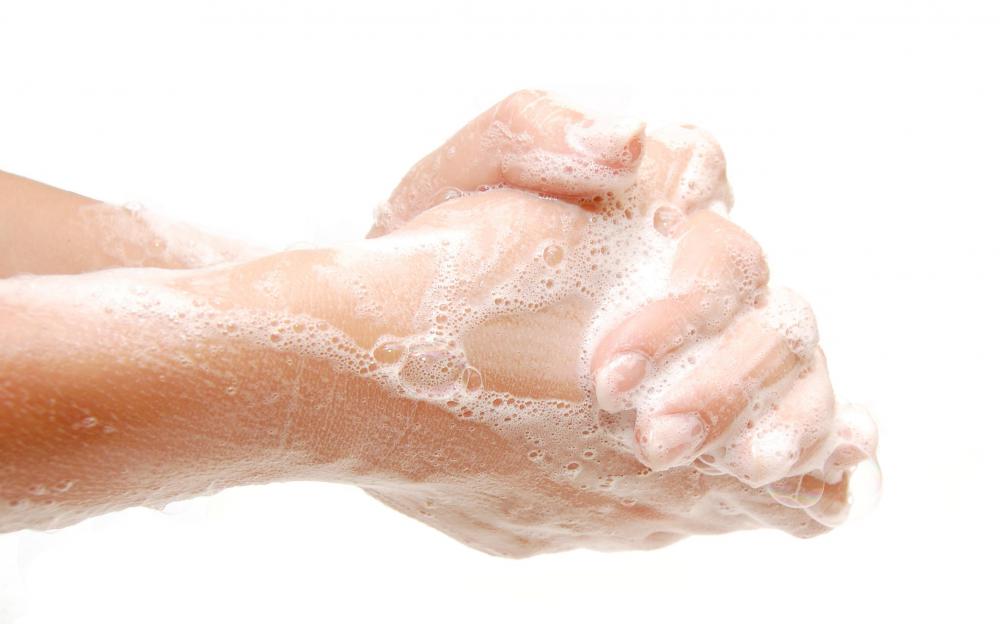
![Washing hands with antibacterial soap when there's a cut present can prevent boils from forming.]() By: Vladimir VoroninWashing hands with antibacterial soap when there's a cut present can prevent boils from forming.
By: Vladimir VoroninWashing hands with antibacterial soap when there's a cut present can prevent boils from forming. -
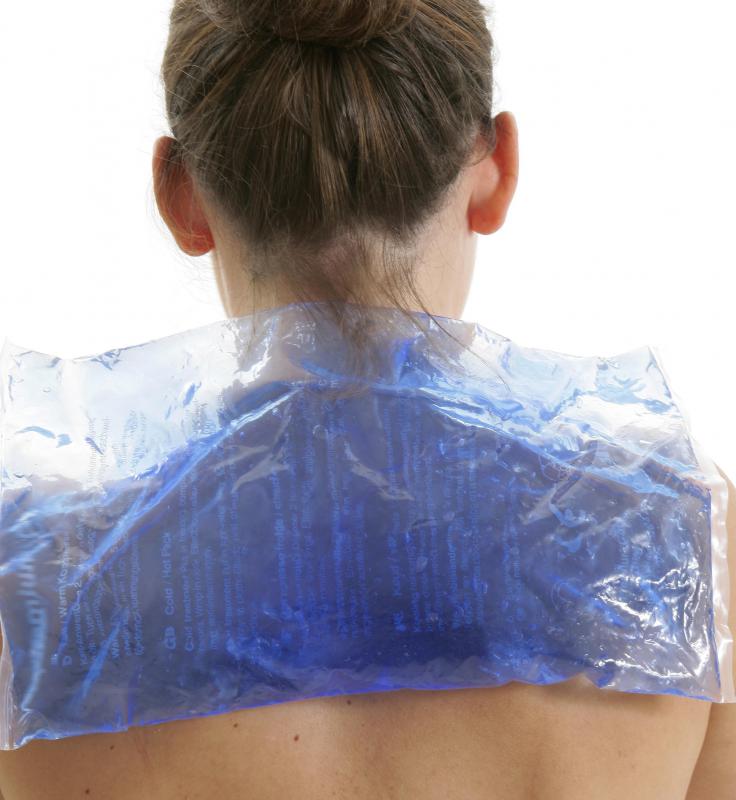
![A warm compress may help treat a boil.]() By: JPC-PRODA warm compress may help treat a boil.
By: JPC-PRODA warm compress may help treat a boil. -
![A warm towel may be applied to a boil to relieve pain.]() By: nacrobaA warm towel may be applied to a boil to relieve pain.
By: nacrobaA warm towel may be applied to a boil to relieve pain. -
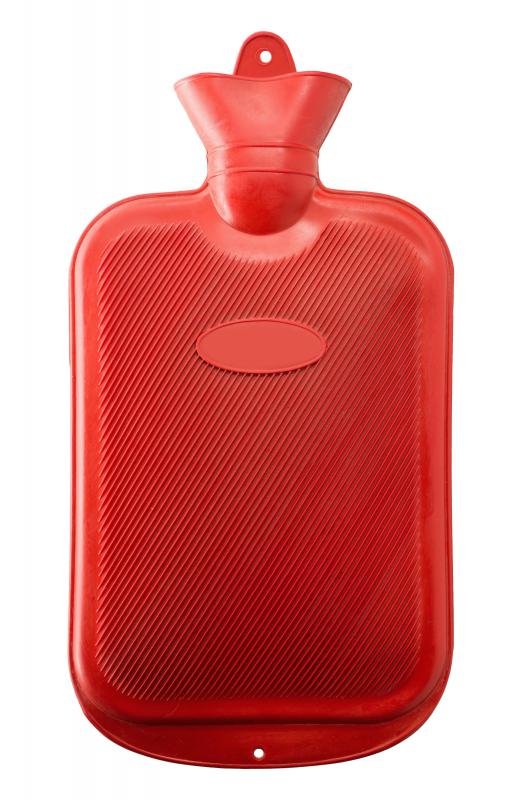
![A hot water bottle may help alleviate boil discomfort.]() By: Meliha GojakA hot water bottle may help alleviate boil discomfort.
By: Meliha GojakA hot water bottle may help alleviate boil discomfort. -
![Individuals suffering with boils may also experience fever.]() By: Piotr MarcinskiIndividuals suffering with boils may also experience fever.
By: Piotr MarcinskiIndividuals suffering with boils may also experience fever.

Discussion Comments
I have found that applying 'blistex' lip cream to the affected area and covering with a band aid/sticky plaster (if you can!) really helps 'bring things to a head' so to speak. Had various and dangerous medications prescribed but nothing has worked to prevent. Sadly, now way past teenage hormones!!
Sounds like you all have hidradenitis suppurativa. God help you if you do.
I have a boil under my armpit. It hurts so much! I don't know what to do. Someone please help. I'm freaking out because it hurts so bad. Can anyone tell me how can I take it off? It's big. I'm afraid of doctors and hospitals. Can someone please help me?
I just recently had this nasty, very painful boil on my butt and I have been getting boils for years but this was the worst! I was in so much pain I sat at home. Well, I stood or lay on my belly for comfort because I couldn't sit.
Well, I tried Boil Ease, bacteria zinc and hot compresses, and nothing seemed to bring it to a head. I did some research and found Prid. It works overnight! The boil drained and it reduced the pain within a good 30 minutes. Use it. Trust me. This stuff really works. You can get it at Walmart or any pharmacy for less than five bucks. I got relief and had to share this.
God, I hate boils so much. They cause so much pain that I become depressed and consider committing suicide. Two weeks back, I had a boil on my waist which I immediately started treating with ointment. It subsided a bit but then another one popped up just beside it. I kept treating it with a smelly, yellow drawing salve I use called Su-Mag and just as it was coming to a head, a third one popped up again! So it was a cluster of three boils and it hurt terribly. They finally drained after I couldn't bear the pain anymore and squeezed the pus out myself.
Now, about a few days back, I noticed a red pea-sized sized lump under my left arm and tended to it right away, hoping it would not grow bigger. No such luck. It's a hard, dry thing and I can't stretch my arm or rest it properly without crying in pain. I've been having hot showers, applying Su-Mag + Betadine, eating raisins (they're supposed to prevent boils) and taking antibiotics. I also eat Neem tablets (they're made from the leaves of the Neem tree and are said to be anti-fungal, anti-bacterial and useful for treating skin diseases.)
I'm 18 and am hygienic. always shower after my workouts and use anti-bacterial soap. I haven't eaten any kind of fast food/junk food or drunk soda for several months because I'm trying to get into shape. I started getting boils at around 13-14 years and I'm desperate to make them stop. I'm going to start doing meditation because stress is said to be a major cause behind boils and I get stressed really easily, especially before my periods start.
Other home remedies: Putting potato on the boil is said to help. Tea tree oil is a useful, anti-bacterial agent though I've never tried it myself. Eat a handful of raisins every day and try not to get stressed!
Always wash your hands with soap before and after touching a boil. It's highly infectious and not practicing proper hygiene especially after it has burst and all that nasty, contaminated pus is coming out, can spread it. Good luck to you all. I understand the pain you're going through. Stay strong.
Years ago I had an abscess on the top of my bum just at the base of the spine. Please, please, please, if anyone gets one here, go to the doc! I had to be put to sleep to have this removed because of its position. I don't want to scare anyone but because its at the base of the spine if the boil/abscess erupts inside it can cause serious damage! This is what my doc told me!
I'm here reading these because I've now got another on my bikini line. It's really, really painful and turning purple. I'm trying the toothpaste remedy right now. I really don't want it lanced so I'm hoping this works! I'll let you know tomorrow. I'm also going to try the turmeric tomorrow if toothpaste doesn't work and then I'm going to try teabags!
I just went and got a huge boil on my bikini line lanced today at the doctor. I have had boils in this area before due to shaving, however, nothing ever quite as bad as this one! I couldn't walk, sit, sleep. Even just standing hurt and it was filled with so much pus it was disgusting and wouldn't pop.
I felt immediate relief after getting it lanced, and now I am on antibiotics for a week. If your boil is causing you that much pain, definitely go see your doctor for lancing, as it's amazing how fast the pain goes away!
I want to let everyone know that over the course of several years I have had many horrible boils. In the past two years I noticed a pattern and have been boil free now for over eight months -- since I gave up soda completely. I never drank a lot of soda before and it was usually diet, but now that I have given it up, the boils are gone! I haven't changed anything else, so it might not work for everyone but it' s worth a try if you are looking to get rid of them.
What started out as a boil on my lower leg after hitting the corner of my dishwasher two different times, has dried out and has a hard white core in the center of where the boil was. There is no pain and the redness surrounding where the boil used to be is a very light pink -- no fever or pain at all, just the hard skinny core, similar to layers of hardened skin and probably less than 1/8 of an inch tall. Does anyone have experience with something like this?
I know that a lot of you are here because you are in a lot of pain from a boil somewhere on your body. Well, I just got over one and let me tell you people, this was the worst pain (second to childbirth) I had ever felt in my life. It was under my armpit, which, as we all know, is a very awkward spot to have it. It lasted about a week.
I came to this site to shed some light on what I have learned about these pesky problems. First thing is first, let me start by saying three things: 1. As soon as you feel a boil forming, tend to it immediately. It’s almost like having a baby. Yeah, I know doesn't seem like a good analogy, but it really is. I will explain why in a minute. 2. There is no shortcut in getting rid of it, other than having it lanced, which is a whole other pain to begin with. If you can be tough and avoid lancing, avoid it! It hurts a lot more than just letting the boil drain (this also depends on the severity of the boil) 3. Antibiotics are a must! You have to go to your doctor.
O.K. Enough preaching. Here’s what you do to drain the boil. This will be a 7-10 day process, however the pain lessens day by day.
Now I know you guys have heard a lot of home remedies before, but the one that actually works is cornmeal. Here’s what I used: 1 cup cornmeal; 2 cups boiling hot water and either the juice of two lemons or three tablespoons of imitation lemon juice. Mix the cornmeal and water to make a thick paste. Add the lemon juice to the mixture and mix. No, it will not smell pleasing at all, but it will bring the boil to a head rapidly. (As for the cornmeal, I would stick to Quaker and a lemon's a lemon). Let the mixture cool, but do not let it get cold. Slightly above warm is perfect. After you have let the mixture cool, take a paper towel and fold it into a rectangle shape. Using a spoon, scoop about a teaspoon and a half (use your judgment here, enough to form a cushion over the boil) onto the rectangle and place over the boil. Press the rectangle down but not too hard, or you will feel a crazy amount of pain. Tape it into place with some medical tape and leave it alone! Do this every half hour.
Do not use a wash cloth! I know it helps the pain a little, but as I know you guys have read, the germ we are dealing with is called staph. It’s a very nasty and very easily spread germ that can cause major internal problems, so it is very important that you use disposable items: gauze, paper towels, toilet paper, etc. Using a wash cloth is only trapping the germs in the cloth, and if you keep using it, the bacteria will keep finding a way into your body.
Also, wearing loose clothing so that your skin can breathe is a plus. For those who have to work, school, etc., I recommend at least two hot showers per day. If you are out of commission from the painful boil, take two steaming hot soaks for 20 minutes at a time per day. Keep an eye on your boil, as well. Make sure you have plenty of alcohol, sanitizer and peroxide to keep your hands and boil area clean.
After a while, you will start to see a little white bubble forming. Don’t panic! This is good! The end is near! It means the boil is at a head and the infection is about to drain. Do not pop, poke or scratch the boil! Just keep at it with the cornmeal/lemon mixture. A few hours after you notice that little white bubble, you are going to feel a very sharp pain, followed by a tingling sensation. No, nothing is about to fall off; it’s the boil popping. As soon as you feel this, grab a paper towel, alcohol and hand sanitizer. Clean the area thoroughly of any pus and blood that might have leaked out of it. Your body chemistry will determine time frame and life of the boil, and the drainage progress.
A few days after this happens, the boil will recede due to the draining. This does not mean you stop the process. Keep on doing the cornmeal, showers and baths. Once you have gotten the boil down and most of the infection out, the pain will have subsided. Then, go to your doctor and get the antibiotic! This will continue to flush out the bacterial infection because draining the boil is only half the battle. Some helpful do's:
Pain killers such as ibuprofen and boil ease can reduce pain and swelling mildly. Use in moderation when pain is just too severe.
If you are having trouble sleeping, a heating pad at night will do the trick to soothe it. This is tricky, however. When using it, keep it on a low setting and place it over the boil with a moist pillow of paper towel between the boil and the heating pad. While boil is draining, remember to clean the blood and pus immediately as it comes out. Rub around boil with alcohol or peroxide. Wash hands with anti bacterial soap and sanitize often. Hygiene is key! Also clean off the cornmeal residue after every change.
Some helpful don't's:
Do not squeeze or puncture the boil. This will only irritate "it" and you.
Don’t drink coffee, soda, kool-aid, etc. Drink only pure, plain water and acidic juices like pineapple, cranberry or lightly sweetened lemonade. No sugar! You will be enhancing the severity of the infection.
Don't skip a beat! Follow these instructions and it will work. Don't stop just because it looks better. Everything that looks good isn't good for you. I know you all have heard that before.
Last thing: Go to the doctor and get antibiotics! Very important! People won’t share this but I will because I know the seriousness of a boil if it advances. If you do not treat it properly, the bacteria can leach into your blood. It's called sepsis. Look it up. It’s very dangerous and I wouldn’t wish it on my worst enemy. So take care of the boil the right way. A lot of TLC is required for a full recovery from a boil. Good luck to you all and I can only hope that I helped. Feel better!
You know, I got this boil in my butt crack, right at the top. It's about the size of a baseball, and I barely feel it, so, should I get it checked out? I do have a huge pain tolerance.
I am a 30 year old female. For the past four days, I have been in excruciating pain from a boil located right to the left of my "you know what" towards my groin area. Wearing panties and pants is like hell!
In the past, I had a boil located on the right side that I got lanced in the ER a couple of years ago. It was very embarrassing and so painful. This time I wanted to find some remedy I could do at home to get rid of it.
My boil had grown to the size of a golf ball, maybe a little larger, and would not come to a head. I was getting very desperate and came close to just going to an urgent care clinic. I tried multiple remedies I found online to include, hot water, glass bottle, warm compress, salt, toothpaste, antibacterial soap, bactine, boil ease, baking powder, peroxide, oxypads.... I finally went to CVS and got some tea tree oil, ichthammol ointment, and adhesive gauze pads. I got home last night about 7 p.m., took a shower, and applied the tea tree oil then the ichthammol ointment. I covered it with a gauze pad and lay down. I couldn't help but keep checking it to see if there was any progress, and nothing. It was still there and still hurting.
I cleaned it, applied more tea tree oil and ichthammol ointment, and covered it with new gauze. I went to sleep about 10:30 p.m. I woke up about 3:30 a.m. this morning to use the bathroom and noticed that the gauze pad was coming off and filled with nasty goo. I peeled the gauze all the way off and saw the boil was draining. It was white and creamy with traces of blood. The pressure has definitely gone down but it still has a ways to go.
I washed it and reapplied the tea tree oil and ichthammol ointment and a clean gauze pad. It is now 6 a.m. and it's been two hours since I last dressed it and I'm in much, much less pain, thank God! I will wait until about 8 or 9 a.m. to check it and dress it. I'm feeling very good about this! Thank you everyone for taking the time to post about this and help people like me out.
I have a boil in the bikini area and have been in pain for 14 weeks. I went to the doctor and he put me on antibiotics after about eight weeks. The meds did nothing but make me feel worse. I am still in pain. I cannot walk well or wear undergarments.
It has drained 10 or twelve times but the core never comes out. I cannot sleep well, sit, stand up or basically move without pain. I am so very worn out from this boil. It is the only one I have had and I did not know what it was at first. I will be trying some of these remedies. Thanks everyone.
I always thought that boils were genetic. My grandfather had them, my mother has them and I have them badly. I recently discovered there was a connection between boils and my diabetes.
But recently I have gotten a boil under my right breast. About eight years ago, I had a large abscess removed from inside that breast and they had to take all the mammary glands out to to it. It is now very cystic and I'm wondering if this boil is related to all the other issues I've had with that breast? It recently did pop on its own, but the pus looked different from the pus in all of my other boils. Any thoughts?
I'm a 26 year old male with a boil on my butt and it's spreading fast. In two days, it's gone from a scratch wound to a boil. I can't sit or sleep (I'm typing this at 5 a.m. from India) because of the pain.
Two things I learned here is that I am not the only one (thank god for that) and I can't wait it out. I need to go to the doc ASAP. I hope all of us get/got through it with minimum pain.
Over the past year I have had two boils. They were both on the same left leg and I got them a month apart. It was the worst pain in my life. The first one appeared like a bug bite and it itched so I scratched it. Over the next week it got bigger, and bigger, like the side of a baseball. I applied heat, it came to a head and exploded everywhere.
I left it alone and it just got worse. Finally, not being able to walk without the pain or tears in my eyes. I went to the doctor. Embarrassing at it was, they lanced it and did outpatient surgery on it. After three weeks of pain meds and antibiotics, it was slowly going away until I got another one next to the one that was already healing, and again, the worst pain of my life. The reason behind theses boils? Shaving the hair on my legs.
After almost a year of not having any boils, I had one on the side of my stomach but it went away after we drained it. It wasn't as painful as the ones on my thighs. Anyway, it's come back with vengeance, but this time it's on my right butt-cheek. It started as a bite and is working its way up to the size of a ping-pong ball. I've ignored it, not touched it, squeezed it, or anything. I have zero insurance and have had this now for four days. I'm taking antibiotics since I've noticed it. It's gotten bigger and worse. I've been having chills, fever, feeling sick to my stomach and it hurts to even move.
I haven't really been sitting on my butt, but alternating from sitting on my knees to lying on my side and stomach. Also it feels as if my butt cheek will fall off. I think it's due to the pain, but I don't know. I think I'll go to the doctor if it's not better within a week's time, but I don't know. It's nice to know I'm not alone with these nasty, painful, annoying boils.
I have a boil on my scalp. It's the second one because I wasn't able to drain the pus out from the first one. It's my first time to have these on my scalp and I'm quite worried because it's near the brain.
I don't want to visit a doctor cause it's too expensive. Yes, even check-ups are pricey here. Anyway, I have thick, long hair. Do I need to cut the hair surrounding my boil for it to heal faster? The only cure I am doing now is taking antibiotics and pain-killers because I am not really able to sleep if I don't take them. My exam week is coming and this boil is really giving me a hard time and I can't focus in school. Please help me.
@anon341881: If the boil drains on its own, the drainage matter won't cause another boil. A boil is an internal issue, not an external one. It's rather like having a pimple on your face. If you pop the pimple and the gunk gets on your skin, it doesn't cause another pimple there.
If it does drain before you see the doc, just clean the area very well with a washcloth and hydrogen peroxide, then put antibiotic ointment on the area where the boil was. You should be fine. Otherwise, keep a dressing on the boil until you see the doctor.
I have a boil near my butt crack. I can barely walk, can't sit, and the only somewhat comfortable position I have found is lying on my side.
My mom doesn't understand how painful it is, and I have to wait another two full days before going to the doctor. I went a few days ago, but there was nothing they could do because it hadn't come to a head. I am worried about having it pop and drain on its own because I don't want it to spread closer to my anus. That would be worse than it is now.
It seems to me that there has to be a free health clinic in your area, county, city, that would help you take care of this.
I just got back from the doctor who lanced a boil that was next to my rectum, right in the "crack." After three days of pain, my boyfriend and I tried to use tweezers - big mistake! It made it hurt 10 times worse and couldn't sleep last night, so I went to the doctor, she numbed it up and lanced it. I'm feeling O.K. now, but she said I'll feel worse tomorrow. She gave some antibiotics and pain meds. I don't have insurance either, or a regular doctor and tried to find an urgent care place that isn't so expensive. You probably are going to spend about $30 on the antibiotics and maybe some on painkillers, but you can always take tylenol if you can't afford the prescription painkillers.
Don't be embarrassed. I had to have a colonoscopy at age 30 and the doctor was young and I had to put my big butt in his face. He knew I was hesitant, but told me not to worry; he's seen everything, all shapes and sizes.
I say if it isn't gone in three days, you can't sleep and no one you know has a good home remedy (usually my boyfriend does) get to the Doctor, Physician's assistant, RN -- there has to be a free health clinic in your area.
I recently got my first boil. Actually, I have been caring for my mother and she had one. Well, what do you know? I ended up getting one, too. I am a bigger person and the boil ended up under my stomach.
I felt what seemed to be an ingrown hair, with a kind of tingling feeling around the area, and it eventually turned painful. Through the evening, it grew to the size of a prune. I applied hot compresses to it two or three times during the night, which did not help. There was a tiny hole and it was draining but I could not get it to open up.
In the morning, I got in the shower and applied super hot water directly to the area with the shower head. I managed to get it to release and empty. It continued to drain for about five days. I applied antibiotic ointment and a clean bandage three times a day. It still looked nasty. I did not really want to go to the doctor and have her look at it, as it was in a spot I prefer no one to see (I am self-conscious about my weight). But it did not look like it was getting better.
Finally, I decided that it was best to have it looked at since it was still draining. The opening was pretty big and I was scared of it getting more infected. Although I was embarrassed to show it to my doctor, I went ahead and did it. I am glad I did. I was relieved to know that it looked normal and it was actually healing, even though it looked pretty nasty and was still draining. She prescribed me the antibiotic Cephalexin, which I took for 10 days. It took forever, but the boil is finally going away. Strangely, as it started to heal, I felt a painful tingle around the area and on my stomach. It was a pretty embarrassing and painful experience. I am positive the antibiotics helped it go away quicker and the doctor was very nice about it and took under 60 seconds to take a quick glance. Hope my post helps somebody going through the same thing.
I used "boilease" for a painful boil on my left middle finger top side down near the cuticle. It helps with the pain.
Turmeric capsules taken internally and then used to make a paste for external use has worked for me.
I have a boil on my left butt cheek right below my anus. I went to my ob/gyn doctor and they couldn't see anything on the outside, but could feel and see the bump (nothing superficial). I was prescribed cephalexin and they told me if I start having diarrhea and fever, then go back in to see a doctor.
Four days later, the diarrhea, fever, chills and pain were unbearable. I went to urgent care and the boil popped. There was still no visible head and while the doctor was looking closely to see where drainage was coming from, it was coming from my anus. I can't describe how much pain I was in and am still in now.
This is day three since my urgent care visit and there's still drainage, not too much, but I feel that the boil is getting larger and the pain is bad. Should I go back to the doctor and get it lanced or does anyone have any suggestions? I know that boils normally have an opening, but for it to come out of my anus? I'm so scared and don't know exactly what I should do.
Does eating high protein foods cause boils?
Okay is it a weird place to get a boil underneath your arm? I'm a very clean person. My hygiene is perfect, but I have on under my right arm and it hurts badly.
I am 37 with good hygiene, but still got the first boil I've had in my life. It's big (golf ball size) and painful.
Here's what I did and what helped:
Early stage: You will recognize it when you feel a little bump, but painful. What should you do? Don't touch it, don't apply pressure to it. Wash it with warm water and antibacterial soap, apply warm cooked rice (white rice) on it three times a day (20 minutes each time). I chose white rice because it is cheap. Buy a carton at Chinese restaurant and warm the needed amount up with microwave. The reason for applying the warm rice is to stimulate the blood flow into the infected region. The increase in blood flow equals an increase in our white blood cells into the region (white blood cells fight off any foreign objects in our body like bacteria, viruses, etc.). This will speed up the healing time.
Mid Stage: Your boils will grow fast and get nastier and you will be in a lot of local pain. You might have fever and won't be able to sleep. This is when Advil or any OTC painkiller will help. Still, don't touch or put pressure on the boil and keep applying the warm, cooked white rice at least three times a day. Increase the frequency to whenever you want to, since white rice doesn't cause any mess. You can bring it to work and do it.
Matured Stage: This is when the boil will open and slowly release the fluid first, but will get larger later on. Don't try to put pressure on it if it is still hard, so be patient and wait until it turns soft. At this stage, hygiene is extremely important: Your wound may look very bad and nasty due to the open flesh and the mucus from the boil's release. Clean the wound up at least three times a day with warm running water and a piece of clean cloth or cotton square with rose juice every night (I used it, very helpful). After clean up, apply antibiotic ointment to protect the wound from other bacterial infection. When cleaning up, don't worry about getting hurt, because the location will be numb.
The time from the day you notice it to the end, can be one week to three weeks. It's a long, painful process. If you have a primary doctor, go to see him ASAP, since antibiotics always help.
Nobody likes to live with boils, but at least we know how to handle them when they come. Good luck to all.
I hate them. Why must some of us get them and others have no issues? And we are clean! Ugh. It's so annoying.
I've suffered with these for 15 years, since I was 16. First they started down my left side, in clusters, then my right side. Then they stared on my inner thighs.
After about 10 years, the ones down my sides seemed to clear up though I'm left with horrible scars. I still get the ones on my inner thighs, though thankfully not as often but now they seem to be appearing under my breasts and around my genital area. Some are very big and painful and will again appear in clusters and on both sides, so I have symmetrical boils, which is awful. I tend to use magnesium sulphate or sudocrem on a plaster to draw out the pus, then cover with gauze when healing. Usually they tend to be ready to go within three to seven days, depending on how big/painful it is. I also get them in the crease of the top of my leg/bum which is painful as it rubs every time I move.
After 15 years of getting them, I've tried to live with them and accept that I'm one of those people who get them. I've had blood tests done and all came back normal. At 9st 4, it's not a weight issue and I shower in the morning and evening. I use fragrance free washing powder and antibacterial soap. I've tried pretty much everything but they keep on coming.
I used a warm washcloth and applied pressure and then used a syringe to suck out the core. It worked so good and feels better already.
When I first started getting boils at age fourteen, they were small and soft and would come to a head within a day or so. At the time I blamed it on shaving, but felt unclean if I didn't shave.
A couple of years later, they started getting worse with more than one opening when they would come to a head, but still would pop within a couple of days. At this point, I stopped shaving down below, but it solved absolutely nothing. I would still get a boil once a month. Sometimes they could get painful, but mostly just irritated when anything would come into contact with them, but I never had one to cause me too much discomfort.
Now at age nineteen I have the worst one of my life, and finally understand why I'm getting these. There has been a pattern from the beginning! I only get them after my monthly flow. I've only ever used pads and I'm pretty sure that's where they spring from! The one I have now is hard, red, and in a complete ball, I've had it for about four days and its not anywhere close to coming to a head.
I bought antibacterial, neosporin, prid, and tried hot compresses, but nothing! I don't know what to do. It's very painful and annoying. I can't really afford a doctor visit, but if it hasn't gone away in a couple more days, I'll have to go to urgent care!
I usually get boils and if they're not in unsightly areas I usually use this old home remedy of cracking an egg and peeling the inside of the shell and putting it on the boil. It usually brings it to a head and it drains by itself. Good luck. This is a great remedy that doesn't cost much.
I really hate boils. I'm 18 and have been having them for years. I'm very clean. I take up to two or three baths a day and the doctor says the same thing -- to put cream on it, but it doesn't help!
I've had boils for about two or three years now and I am a very clean person and always disinfecting everything and keeping myself clean and washing my hands. But I think there is no way to get rid of them completely; they keep coming back.
I was told by a medicine man/spiritual healer that you can put tobacco and lard mixed together and put on the boil and it drains it out. So instead of lard, I used polysporin and tobacco, mixed it up and patched it on my boil. I left it for a few hours and the boil drained. I had to squeeze it a bit, but it worked.
I just wanted to add my comment. For about 10 minutes, I was reading all the other posts and stories. I had a boil on my upper thigh a week ago. Once it finally did not hurt anymore, another one showed up in the exact adjacent area, on my other leg. This boil hurts so bad it's unbelievable.
I have had boils for a few years now every once in a while. They all are painful but nothing like this one I have now. It has been there for about three days now really red and really irritated.
I usually just cover it with bacitracin or just a bandaid until it pops, but oh man, this was a tough one. It was so bad I couldn't even walk around today. So finally I went in the bathroom and put really hot water on it. It already had a head, but as you all know, they are bigger on the inside than the outside, and extremely painful with the slightest squeeze.
I just squeezed it really fast and hard and finally a release! I cleaned it up and bandaged it. It's still very tender but damn, this boil was so stubborn. Good luck to everyone else. We all know boils stink.
Can I swim if I have boils?
Yes I agree about the piece of fat meat over a boil.
I did this as well but my Grandmother told me to tape it to the top of it so I did. I taped it on there there before i went to bed and when I woke up the next morning it was practically gone. Not sure how or why but thank you!
@anon245948: I'm not sure if these are technically boils, but I know *exactly* what you're talking about. I've had them, and I know how they hurt.
I'd say at this point, you have two options: you can go to the doc, or pop it yourself by squeezing it. Will it hurt? You'd better believe it will, but it probably will go away. You just need to keep very clean down there and maybe put some A-D ointment or similar on it for a couple of days.
Or, you can see a doctor, who may lance it. But you'd probably get some novocaine to deaden the area. I've popped them myself and yeah, they hurt. It's entirely up to you.
Can you get a boil on the inside of your vagina? I have a large bump that looks and feels like a boil and I have had them before, but this one is on the right inside of my vagina. I have been doing the hot compress three or four times a day and it doesn't seem to be working on this one. Should I go see a doc?
I just experienced my first boil, it appeared out of nowhere last week right under my bra line and it has been extremely painful. I spent days applying hot wash cloth treatment as well as a home remedy paste of baking soda and salt. I was finally able to locate a "drawing out paste" at the health food store in my area. The paste is called Ichthammol Ointment 20 percent. I have also located it on Amazon but was anxious for quick relief therefore I paid the extra few dollars and took it home right away.
I applied the drawing out salve (black and very smelly) on my boil three times a day for the past two days and this evening the boil finally burst. I have never seen anything so disgusting, however after everything came out I felt immediate relief. I am now nursing a "wound" and am hoping to avoid any scar issues. Any tips?
I have a boil on my left butt cheek inside toward the bottom. I am assuming I got it over night. I woke up in the morning and felt it and I squeezed it and pus came out -- not a lot but a little.
I left it alone and the next morning squeezed it again and a little more came out. Today, it is still there, about the size of a quarter, and nothing is coming out but it hurts when I sit. I can sit but I have to lean to the right a little, but what the hell. I have had boils and eventually they pop.
I have 4 days off from work this weekend so hopefully I can try some of the stuff I have read on here. Hopefully, it will pop and everything will come out rather than just a little.
I'm 25 and have had boils all over my butt since I was 15. Went to the doc and was twice tested for mrsa, but the results were negative. I don't know what causes it or cures it. I've tried everything, but it looks like someone shot me in the butt with birdshot because of all the scars!
I noticed last night that I had a boil and started using boil ease as I seem to keep having this problem. I am also a very clean person, and I seem to get these boils around my panty line crease on my inner leg area. It is painful as hell. I can't sit, walk or lie down without hurting really bad. You're only supposed to use boil ease two times a day. I also use epsom salts with hot cloth compresses, but still it seems to take three days. It's very uncomfortable and I can't even walk around in the house right. I can't sit in a tub of salts because it hurts so bad to try and sit in a tub. The vinegar thing didn't work for me last time.
I get boils once in a while, but the one I got recently was incredibly painful and large. I tried the hot compresses, epsom salt bath, boil cream for pain, heating pad at night, all for days, but nothing really worked. I found this stuff at Meijer called "RID" (it's in a small tin container). I think it's like that black salve stuff.
Anyway, I put some on it and covered it with gauze over night and by the next morning it had completely drained. I could not believe how quickly it worked. It also takes the pain away as well. I highly recommend trying this stuff. It's awesome!
I had a boil in my inner thigh which made it hard to walk. Someone recommended to me take a piece of a paper bag (just a bit larger than the size of the boil) and soak it in a bowl of vinegar. Once it has soaked, place the piece of brown paper bag directly on the boil. Somehow the vinegar brings the boil to a breaking point. It smells but it is worth it.
I have only ever had one boil before this one. Well, it's actually in the same place but a gap of several years.
I'll tell you what causes them (for me, at least): caffeine, fried foods, alcohol and sugary food. A bad diet, basically.
Please take note and don't be a dummy like me and drink lots of tea when you already know about this!
The key to most diseases is inflammation. Also, caffeine makes blood sludgy.
Last time I took turmeric and it zapped the boil in two days. I was amazed. So when it came back years later, I thought it'd be fine. Just take turmeric. Well, for some reason it didn't do a lot.
I think there are many ways to treat them. Cleaning the blood with lots of vegetables is a great start.
This one has nearly gone and what's helped is:
Dandelion tea (to clean the blood); echinacea tea (to stimulate the immune system); veggies (raw food is the secret); apple cider vinegar in water (detox); drinking lots of water.
my wife has a boil and doesn't want to go to the hospital.
I have a boil the size of a golf ball right by my belly button. it started off as a little red bump, probably an ingrown hair or something. I kept playing with it so it got bigger.
It may be infected. Every day, all day, I put a warm compress on it and before I go to bed I put boil ease on it. It is getting smaller but it's not popping. It hurts when I sit a certain way, due to me having a roll when I sit down. Am I going to die or anything? Please help me.
I thought I had a pimple just in between my butt cheeks on the left side, but because I grew up in a household where my dad often had to get boils surgically lanced, I know that I have a boil. I think mine is from shaving with razors and cutting myself. Even though it is as tiny as a pimple I'm in pain and can hardly walk. I'm so embarrassed.
I know that my mom used the egg remedy with my dad a few times(yeah a real wife helps the hubby with boils on butt) but I just drank some apple cider vinegar. I cleaned the boil area then applied the A.C. vinegar mixed with flour for a paste and applied it to the boil and I then covered it with a bandage. I hope this works! *crossing fingers*
i am in so much pain!
I just want to put in my input. I've had boils for about five years now and before I started researching home remedies. I've always gone to the ER to get them lanced. Now that i found a remedy, and I love it. But I still have one problem.
First, let me say I tried the Campho-Phenique and it works miracles. I get a cotton round and apply some on it and put it to the boil overnight. If I do for three days in a row, the entire boil will go away and it closes up. Doesn't come back. I've also used vinegar and that also works great, but burns like all hell. Now I have a boil on my bikini line.
For some months now, I've jus popped it and it always came back, until now it got very big and painful even with the slightest move. So I mixed some vinegar wit the Campho-Phenique and it worked But the problem now is, it's not completely healed and it still hurts with movement. Does anyone know of anything that might help? This is very painful and it really sucks because even my panty line is bothering it a lot.
I'm a 13 year old student and I have about 16 boils and I still have them now. They were cured very fast with antibiotics, so I'm going to go to sleep now and I'm going to try some vinegar. I hope it works.
at what point should i visit a doctor with a boil?
to the poster of post 13. I spoke to my doctor about this yesterday and it is actually completely untrue that you could get blood poisoning from it. Please stop scaring people who are looking or information and comfort.
I have a boil right on the ridgeline under my scrotum. It looks like I have three balls. Thought this would lighten the mood. Painful as all hell but by far the funniest boil I've ever had. Hang in there, everyone.
You can use regular asprin to cause the wound to open and drain.
Wet one asprin enough so it starts to dissolve. Use this paste on the area you think the boil will release. In a day or (repeat as needed) the boil should open. It also takes some of the pain away.
I had one on the crease of my buttocks/leg. It was the worst pain ever and no matter how i moved i felt it.
Do not push on the boil until it's ready to go you or will just put yourself in more pain. It will be more than obvious when it's ready to go. Good luck and feel better. i know this is a horrible pain you are enduring.
i am 17 years old. I'm not overweight. i have this boil in my breast. it's already open, and when i checked on it, it's deep. what should i do with this? please reply asap thanks and god bless.
@anon182659: I'd go to a doctor and get it lanced in a sterile environment. That's one place you do *not* want any kind of blood, pus or other contaminated fluid to escape to. I can't even imagine the nasty sorts of symptoms that might result. I just wouldn't take the chance.
If it were on your backside, or under your arm or something, you might try one of the home remedies. But not a boil *there.* I just wouldn't risk it.
I know this is pretty forward and blunt but I'm a very young woman (19 years old) and I have taken up the shaving craze of my *cough*cough* -- groin area, and I have been doing that for about five years now.
I must have nicked myself one day, but about three years ago I noticed that I had a hard, red, painful lump on my labia. Hoping it was an ingrown hair, fearing that I had cancer, it has now been confirmed that I have a boil there. Please tell me if I can treat this type of boil, or a boil in this area with home remedies, or if I'll have to go get it lanced by a Doctor?
A few days ago, my daughter complained of having a painful zit on her back. She told me that, although her sister had popped the zit a day or so beforehand, it now seemed way more painful and bigger than it previously had. Upon inspection, I realized she had developed quite a nasty boil, which I feel most likely turned into such an awful event because it was squeezed. I've told the girls to come and tell/show me if they ever end up with any suspicious looking zits, rather than just squeezing the daylights out of every bump and lump at soon as they notice it!
A few hours after my daughter had first come to show me, the boil had gone from 1cm across, to almost 6cm across, was hot to touch, bright red, and she said she felt nauseated, dizzy and was shivering uncontrollably, due to a high fever that developed in a very short time. It was definitely time to go to the doctor!
The GP checked the boil out and prescribed what he considered to be a very strong course of antibiotics and painkillers, with strict instructions that under no circumstances should we attempt to bust the boil before it formed a head! Oops! That had already been done, although it was when it was still little. No one had touched the boil since it had gotten larger. I suspect that it may not have been so bad (i.e., my daughter becoming physically ill) if it had initially just been left alone in the first place!
We also had heard from friends about a “drawing ointment” called “Ichthammol” (a black ointment, with the consistency of Vegemite that stinks like a service station/ car grease) but apparently works really well to draw out garbage from boils, so we bought some, and boy, does it do the trick.
After having this ointment on, covered over with a dressing, overnight, a big heap of pus and a core were just lying in the dressing when I went to change it. We continued to use the ointment for several days, and every time we changed the dressing there were copious amounts of pus, both on the dressing and easily coming out of the boil when gently squeezed.
A big, long, hard piece of tissue-looking pus came out finally (seemed to be the rest of what came out earlier. It was like a plug, or a core). It was about 4cm long and was really thick – totally solid. My daughter felt instant relief after that.
So to make a long story short, if any of my family ever happens to get a boil ever again, at least now I know what to do and what not to do. For example, my entire family and I will now never squeeze a boil before a head is formed, or before it's totally ready, and I would definitely go straight away and spend the few dollars (cost is less than $10) on a tube of Ichthammol ointment and dressings, and start using it straight away. Hope this can help others too!
I am overweight and i had gotten a boil under my top belly, near my belly button. The pain was so intense that i had to go to the emergency room and have it drained. A month later i got another boil in the exact same spot, but this time i did not have insurance and no way to pay a visit to the clinic or the hospital, so i took matters into my own hands.
the pain was as intense as before and the boil would not develop. so i went to cvs, got Ibuprofen (rapid relief) took up to four, for pain and inflammation and bought tiger balm. It is for pain relief of minor aches, pains of muscles, etc. Well i bought it and took a chance on it. It had a real warm sensation and it calmed down my pain. I applied it three to four times daily and in less than two days, maybe even one day, the boil developed and was ripe.
Finally, i drained it myself and got so much relief, within the hour i was running around and pain free! It's just a suggestion, but tiger balm is my solution. it may work for you!
The thin clear part of the eggshell works. I used to get boils/abscesses as a child and my mom would peel the clear part of a raw egg shell out and apply to the boil. The next day, every time, it burst.
I had this really huge boil at the end of my butt crack right at the base of my spine. Hurt like a son of gun. Until one day in the shower it burst and all this bloody pus game gushing out. It was tender for a couple of days, like your article says, but it hasn't bothered me since.
okay, so my friend started off with the boil looking thing on her bum. It was really uncomfortable and she complained about it a lot, then once it popped, and started healing, she discovered a similar thing on her upper-back near the bra line. She is unsure what it is, if it will keep spreading and what to do about it!
I'm only 14 and right now I'm in so much pain. I'm overweight and i have a boil right under my stomach. I get them a lot. I'm going to try the Vick's. See how that goes!
Okay below is my post here is an update. I had a golf ball size boil on my inner thigh. After trying all below methods I resorted to fast acting tinactin for athlete's foot. It wasn't fast acting, but after a full day of applying cream with a band aid covering and alternating between warm compress and cold, it drained.
Once the top became very sensitive and as though the a thin layer of skin came off after soaking in hot bath, I reapplied tinactin with band aid and it began to drain.
Immediately, you must get antibacterial soap and wash any area that may have come in contact with drainage! The area had been lanced before, and after almost passing out from pushing fluid out, once it completely drained, the larger the boil the bigger the hole, it must be filled after washing with antibacterial soap with bactrim, or neosporin. Iodine burns but something of the sort must be applied then bandage in case more drainage. Hope these tips help my fellow pain suffers.
I have read most of the posts, and unfortunately for me none have worked.
The boils on my butt started when I was twelve, which makes sense, since it seems the hormones kick in about that age. They were slight and not troublesome. So I never mentioned it to my parents because to be honest, it was embarrassing at that age and it still is at 33.
It wasn't until about six years ago that I got my first golf ball size on the inner thigh. Scared and fearing the worst (thinking it was a cancer of some sort) I went into the ER. They gave me a tetanus shot in the rear and lanced it. It was the most horrific experience to this day. The lady lectured me about shaving and cleaning the area and then bringing the bible in saying that maybe I was being punished. All for the price of $300.
A few years later, I went to see a dermatologist and got antibiotics, and topical. Neither worked, and I tested negative for MRSA. I asked if maybe the chestnut that I touched when I was younger that gave me a rash all over my body in the country of Panama had anything to do with it since they appeared at the same time, and thought maybe it was something to do with my blood. She scoffed and acted like I was crazy and all for the cost of $400. Oh, and I asked how to make the discoloration disappear after one has popped, and she told me to get a tan!
I am very clean. I take about two showers a day, and use iodine, antibacterial soap, and Bactrian. Still, none of these them make them go away. If I take a warm bath, I put Epsom salts in the water and I close it with a cold shower. This helps keep them dormant it seems, but still present.
I stopped shaving for a while to see if this would help and well I imagine that I was going 70's retro style, this did not matter – they still appeared. I also stopped eating pasta, and meat to see if it would help, but no it did not.
I love beer, and this I noticed makes them inflame, and sometimes drain. So I read somewhere vodka and tonic was a good alternative. They didn't appear to swell as much, but they were still present.
So, long story short. I tried the paste, nothing. In fact, they became bigger and more sensitive, I tried the bread method – nothing. Hot compresses make it bigger, cold compresses help with the swelling but later it inflames. Acne cream, nothing. Even an herbal cream for wounds nothing. I have tried toothpaste, onion trick and everything under the sun it seems. As soon as I get a cut, no matter if I put Neosporin or Bactrian on it they are guaranteed that one of the many I have will become inflamed. I get them on my neck, boobs, butt, thighs, and inner thighs. So I use a lot of baby powder to keep dry.
My next step is trying anti fungal cream that is used for athlete’s foot. Unfortunately, it seems as though you have to go through the painful wait, and when it’s ready it will drain. I wish I could find a cure, or someone would!
I had a pimple-like thing on the back side of my butt which was hurting also.
So, I showed it to a doctor in a private hospital he told me that there is pus formation in it so he operated and removed the pus from it. It has been four months from the operation but still the pus form in that area. Please tell me any home remedies for this problem which can cure it permanently. Please send me the suggestions.
I was 10 years old when I had a boil on the upper part of my arm. I put this cream on the boil and a bandage on top of it but it still didn't help! I had it for weeks. It hurt a lot when I squeeze it. The cause: I had a cut there and it got infected. Now I always make sure my cuts and scrapes don't get infected.
i have a boil the size of a tennis ball on the inside of my thigh, and I'm in total agony. I get them quite frequently, but usually as soon as i feel one coming i apply lots of toothpaste to the area, cover and leave overnight. This is the only time it hasn't worked! I've never had one this big either! thanks for everyone's tips I'm going to try vinegar tonight! cross fingers, it works!
I've had a lump on my left butt cheek for about six months. It's made a drain hole just before my butt crack ends. it bleeds, and it's very uncomfortable. all my boxers are bloody, i wake up very sore, i can't sit without being in pain. i can't even walk without it bothering me. i went to the hospital and they gave me antibiotics and they helped.
i had no insurance at the time. they told me to go to a surgeon but I'm scared it will cost a ton of money that i don't have. the lump is back and I'm bleeding once again. any advice please?
I am overcoming a huge boil on my inner thigh. I wanted to share my remedy with everyone to save you the pain for days like I had.
I made a paste out of baking soda and vinegar because my boil didn't get a head yet. I put a bandage on it for approximately an hour and half. Once I removed it, it had come to a head. I seriously cried for joy at that moment. Then I did what my great grandmother suggested from the beginning which I doubted, and soaked a piece of bread in hot milk and applied in directly to the boil. *Seriously* not even 20 minutes later it started to drain! I guess the milk and bread mixture actually works like penicillin to infections.
After five days of waddling around in severe pain, I came to find out Grandma knows best. My boil had to be at least 3 inches on my inner inner thigh right beside my bikini line and severely painful.
A couple of months ago, I had experienced my first boil. It started off as a small 'bite' looking place until I woke up the next day and it was so painful. It has gotten so big, I couldn't get walk properly or even sit since it was on the butt area. I got it checked by a doctor and they took a culture of it to send to the lab.
Boils can also be another way of a person having MRSA. If you want to know what MRSA is, just look it up. Anyway, to get rid of the pus inside of my boil they had to squeeze it all out. It was very very painful, and I screamed like a little girl.
A couple of days later, I felt as if the boil was getting worse (even with antibiotics) and so when I had my boyfriend take a look at it, it seemed as if the boil had babies. There were so many little boils around it and when I called my doctor, she notified me that the lab came back and it was MRSA. She took me off my regular antibiotics and gave me really strong ones and within two or three days, it was gone.
If you have a boil, please go see a doctor. It is likely that your boil can be MRSA.
I'm having this huge lump. It's very big. It's a bit smaller than my door knob. It's also very hard on a certain spot. I've been having this for a week already. I can't walk and sit properly. I've applied some cream and other stuff and it still doesn't get any smaller but it gets bigger and I can't seem to find its head. Please can anyone advise me?
Got a boil on the right buttock. It is absolutely killing me. This is about the tenth boil I've had in about seven months and I'm getting pretty narked off about it all now. Every one of them has left me with horrible scars. My back side looks like a colander. I've tried strong antibiotics like co-amoxiclav but my boils keep returning. I've had my blood tested and the results all came back clear. Someone please help!
I woke up with one a few nights on, on my buttcheek. it's weird because a few weeks ago i noticed a small white bump, kind of felt like a pea, but it didn't hurt or anything. now it has developed into this huge boil? i'm kind of worried about it. I'm 18, and have had annoying, embarrassing boils on my butt since I was like 12, but never this big or painful.
I'm also too wimpy to go see a doctor about it, but I think this time I might have to eventually. I'm such an awkward person.
Take three tablespoons of apple cider vinegar (to work on insides) then put some toothpaste on boil. Leave overnight. Your boil will rapidly disappear.
I have one under my arm, close to my chest. At first I thought it was a pimple, so i squeezed it. This made it bigger and more painful. Don't ever squeeze a boil, it can spread the pus and infection to the body which can be dangerous.
I found a website that suggested mixing flour with vinegar and putting the paste on the boil under a bandage. I didn't have vinegar so I used lemon juice. The next morning, it was way smaller and less sore. I also use vicks on it during the day. Just make sure to wash wash wash your hands and the area! Hope this helps
I have a small implement I developed. It's a zapper -- something like a soldering needle that when it touches the skin it puts out a charge of electricity with pinpoint accuracy, thus causing the boil to burn.
I burn it deep to bring out the pus and burn the bacteria below causing the infection. Painful? You bet, especially when I soak in in rubbing alcohol and sterile pad afterward to avoid and further infection. It works every time, and it has worked on annoying zits that get infected as well.
I have a good cure for boils. You know balm called Vicks Vaporub, the one that people use to rub on their chest to avoid colds? Use that around the boils, and it will not burst, it will just dry off, put it on overnight and the next morning you will be surprised that the boil has gone.
I have done that for years. Good luck and I hope this is helpful to all of you.
Unfortunately I don't think there is a way to get rid of boils! I am a very clean person and would do anything to prevent them because the pain is sometimes unbearable -- not to mention they leave awful scars! But I get them a lot and the only thing I know to do is to hold a warm wash rag on there for a while and keep changing out the bandages and wash your hands each time you touch it! It doesn't ease the pain because anything that touches it is very uncomfortable.
They say not to squeeze them, but I do anyway because once all that pus comes out they feel way better. Mine right now is really really painful. I can't even walk straight, I'm all slouched over and have to sit on a certain side. My body feels achy all over. I just feel terrible and can't wait for this thing to heal!
I have had boils off and on for years. I currently have one on my inner right thigh, close to my panty line. I am currently using PRID, which is an over the counter drawing salve that you can get at Wal Mart. I am also putting a potato on it as well and bandage. I have had it drain once already, and now still doing the prid and potato to get it to fully drain. Hope this helps. Good luck.
Get the skin of a banana - the riper the better - and cover the boil overnight. If you catch it early enough, the boil will often leave its head on the banana in the morning, pain free. Other times I wake to find its nearly dried up or drastically shrunken.
I had boils that were awful for a couple years and could never figure out why I was getting them. I never realized I had sensitive skin and found out the hard way just what was causing them. They would never go fully away and got huge and sore, then reflame after bursting.
Then I realized what was doing it. If was my laundry detergent. If you wash your clothes and bedsheets and everything in fragrance free laundry detergent it may help you. After doing this myself my boils went away within a few days and stopped reflaming and coming back at all. That whole two years in hell I spent were awful and had no idea I was making it worse keeping those fragrances close to my body.
Hope this helps anyone from preventing them in the first place. Worked wonders for me and wish I had realized sooner what was causing them.
i also have a boil right on my waist. It hurts so bad I can't even wear boxers because the pressure from it hurts like hell. I'm trying putting a hot rag over see how it works. I've had it for over four days now. This is irritating and hurts. I hope this hot rag works.
i also shed a tear even though I am a gangster. it hurts too much. i cried on the phone to my girlfriend, I am pretty sure she's irritated herself from hearing me whine she might leave me. this boil is ruining my life. hope it's gone soon .
I have a boil under my underarm close to my armpit. i drained it last night but i still have hard spots and redness around it. how can i get rid of the rest of it? please help and thanks.
turmeric, turmeric, turmeric. mix turmeric powder with milk to a thick paste. apply to boil and bandage. my nasty boil had been there a week. I got two shots of iv antibiotics, but no change. used the turmeric and within an hour it had burst and started to drain finally.
i have a boil close to my underarm pit and it has been there for a while and it is big. i am putting boil ease and now it has a little white head on it. what should i do next? please help.
For those who have boils on the buttocks area, you should get that checked out. I had a family member go through the same thing, and by the time she saw the doctor it was really serious and the doctor said she could have lost her life. The cluster of boils were a type of staph infection.
I am sitting in my office right now lying to one side because the boil in my butt crack is horrible. I can't sit right! I will try anything.
I have a bump in between my butt cheeks close to my back, and it hurts. I have been applying a warm cloth to it, but that does not seem to help. Does anyone have any suggestions for me?
Need help ASAP. I currently have a boil at the top of my butt crack. this is my second time getting one in the same spot. the last time this happened I went to the doctor and got it lanced. never would I have thought that I would be in this same position again. I see a lot of people saying that they put a warm compress on it but I'm pretty sure that's going to burn. any other suggestions?
I got a boil on my leg, well right below my knee. it hurts so bad. it popped ahead of time and now it's swelling on my leg where the boil is at. it hurts to walk on it. What should i do? please help. i used moist, hot towels to relive it but after 30 minutes it hurts and the swelling still hasn't gone down. What do i do?
If you have a boil, you should not squeeze it; this pushes the pus deeper in the skin. What I do is boil an egg, peel it, and use the thin white skin to bring the boil to a head. I put this on the boil at night and cover it with a band-aid.
After a couple of nights, you should have a head and you must pull apart the boil, not squeeze. Works like a charm! My family has been doing this for years and it always works for us.
magnesium sulphate. best pound i ever spent and my boil has never come back.
i have a boil and i got antibiotics. The smaller ones are doxycycline hyclate tablet and ip 272 tablets. The ip 272 tablets are huge. Anyway, I'm going to try and put vinegar gauzes on it.
I have a condition called Hidradenitis suppurativa. I've had it for probably close to 10 years now. It basically means that I have large sweat glands, and I am prone to getting boils in areas where people commonly sweat a lot (i.e. underarms, under breasts, groin etc.). I don't think there has been a period of time in the last decade when I haven't had a boil, so they've become second nature to me, and I've learned to try and deal with them.
First of all, you can take an anti-inflammatory (Naproxen is what I used to get prescribed by my dermatologist - but I'm pretty sure you can use Aleve).
Secondly, you can buy over the counter scrubs and creams, which if kept up with daily until the boil is completely gone, works well. I typically use Clean and Clear 3 and 1 Exfoliating cleanser in the shower. I put it on after washing with regular soap, and then leave it on for a few minutes and let the shower steam hit it to really get it working. Afterward, I use Clean and Clear persa-gel 10. I apply it liberally to the affected area, and cover it with gauze. I wouldn't recommend band-aids unless you buy tough strips that really stick to the skin without falling off.
The ingredient in those two products that you need to look for is benzoyl peroxide. There are a bunch of different brands of scrubs and creams that you can buy with benzoyl peroxide in it, and the higher the content, the better. Typically you won't find a content level higher than 10 percent, and that is what I use. But there are different brands you can look for. (Clean and Clear, Clearasil, Neutrogena etc.)
Hot compresses do work, if you keep up with them. Doing it once a day for five minutes isn't going to do much for you. Being that I've been through this crap every day for years, I've found the best way to do it is to apply the hot compress for 20-30 minutes. Take a shower. Wash the affected area with your normal soap to remove any excess dirt or bacteria from your body, and then apply the scrub for a few minutes.
Once out of the shower, dry your skin well, and apply the cream, and then cover it up. It may take a few days of this routine in order for the boil to come to a head, but when it does, pinch lightly and it should pop on its own.
If it doesn't, sterilize a pair of tweezers with alcohol, and gently pull at the head of the boil until it pops open. Squeeze all the pus out. When the inside drains and it looks like nothing comes out but blood, pinch one more time to make sure you've got all the pus out. Rub with alcohol, put on a little neosporin, cover it up, and continue to keep it clean and covered until the open wound heals.
Hope it helps you guys! The condition I have is untreatable. I have to deal with it for life! So I definitely feel your pain. But as long as you try to keep the areas dry and clean, you shouldn't have too many problems!
Finally, relief! I periodically get boils in between my butt cheeks. Usually I just deal with them until they go away, but this past one was unbearable, it hurt so badly it was interfering with my daily activities. But I finally have relief! Keep reading.
My boil didn't really have a head, just a dark purple spot in the middle. I read about different things people were putting on to draw out the bacteria and cause it to come to a head so I washed it with anti-bacterial soap and then I
swabbed Bragg's Raw Apple Cider Vinegar on the boil twice yesterday, and this morning I soaked some gauze with the vinegar, and kept it on for about an hour.
The vinegar actually alleviated some of the pain and made it bearable yesterday. Today I came to my wits' end and decided something had to give. I couldn't stand it anymore! It looked like the boil may have possibly been developing a head, so I cleaned a pin with alcohol, squeezed the boil, touched the pin to it and it exploded brown and red pus. Disgusting, but immediate relief! I had to keep squeezing for about 10 minutes to get out all of the pus and blood in it.
I cleaned the area with alcohol, a little burning there, but better than having a boil. And my bum feels sooo much better now! I read doctors' posts telling you not to pop them, but after my experience today, swab with the vinegar and pop them! I hope this brings you some relief, next time I get a boil I am going to do the same thing. Good luck!
i have a boil on my right elbow and it hurts really bad. i use a rag and hot water every night for 20 minutes and they say that is supposed to bring it to a head and then pop this is my seventh one in less than a year. The last time i had one i had to go to the hospital. Help!
I get boils often (then again I have very sensitive skin.) and a few years back, i got a large boil beneath my arm (almost in my armpit, but not quite). My grandmother told my to cut a piece of potato, bandage it to the bump, and leave it there overnight.
I ended up making a paste out of mashed potato flakes since we had it on hand. Sure enough, the next morning, the bump had a small scab-like thing over it, and busted later that day (painlessly, i might add).
Don't take boils lightly. Seriously, I just had a boil that became an abscess within a few days. My skin under my arm was very itchy for about a week. I found the boil the next Sunday. It went from a boil the size of a lima bean to an abscess the size of a egg within a few days. I had to have outpatient surgery to remove the pus.
I have been on antibiotics for some time now. I have to have my wound packed daily. Lesson here. It could have been worse if I had waited any longer. The doctors were afraid of the toxins entering my blood stream and it was very close to vital organs. If it hurts really bad, you have a fever, and there is any redness go see a doctor. You don't want to play around with these things.
I have had small boils in my life before, but never like this. It probably was the most pain I have felt in my life. I've had toothaches, gall bladder pain and a dislocated shoulder. None of these compared to the pain of the abscess. If it hurts please get it checked out. Good luck!
i have a boil right in between my butt cheek. it really hurts. I'm also twelve. my mom said to take a hot bath and soak it and when i get out put diaper rash cream on it. Sadly, it didn't work, but it's stinging and burning. i don't know what to do. i also have to go to sleep soon and i don't know how im going to do that.
I'm usually very athletic, too. I'm always outside. i was in the woods today and when i came out my butt started getting irritated. i just ignored it until it started burning. i sadly told my friends goodbye and left -- that's how bad it hurt. i also was sweating like crazy. It was 90 degrees out today.
i don't know if it was from the heat irritating it or if my butt cheek and underwear were rubbing against it and my skin got irritated. I really don't know. i also have good hygiene. i wash myself good with soap and water every day. i also shower every night. so i doubt its hygiene. anybody know what it might be? i don't.
I have a boil down by my panty line, before i had one in my butt crack and they hurt so bad! How can i get rid of them?
i am 12 years old and i am a student. i have been suffering from a boil for almost one week. i didn't know that this is a boil and just noticed it yesterday. Tomorrow is monday and i need to go to school but i can't because the boil is on my butt.
The best thing I have found is to apply vinegar to a cotton pad and leave on overnight. The vinegar will "draw" the infection to the surface and by morning the boil will have popped by itself, removing the toxins. It really works for me!
My Mum used to boil water and soak it with a piece of bread on a cloth and the heat and moisture would draw it out. Worked every time. --oldbluenoser
Ugh. I have like six small ones in the crease of my bum/thigh. they don't hurt or anything, but are just really annoying. the strange thing is i think it just happened overnight, because i don't remember seeing any trace of them yesterday, but when i woke up the morning, they were there.
i feel really self-conscious about it, I'm only 14.
well i first got a boil when i had a hemorrhoid cut open and it is on the top of the buttocks and it hurts so bad i can't move stand or anything and every time it goes away another one comes back in like a couple of days, i don't know what to do.
can extreme hot weather cause boils?
my naturopath recommended neosporin - she thinks it will cure mine in a couple of days.
I'd tried garlic compresses and warm water sea salt compresses, but that irritated my skin (face boil - my first). I delayed any treatment the first eight hours and that was my downfall.
When I've had a boil in past, at the first sign, I've ingested a teaspoon of turmeric in warm water three times daily, immediately followed by two glasses of water, and that has been all that I needed. This time, I think I started that too late because it hasn't worked.
I'm going to take astragalus orally for my immune system, in addition to the neosporin.
Believe it or not, one of the old home remedies is to place a piece of fat meat over a boil. it will help bring the boil to a head to burst. It may sound gross or weird, but it works.
i woke up this morning with the worst pain ever. i couldn't sit down without being in pain. i found a lump on my butt crack slightly down. when i squeezed it white and brown pus came out. it is now really painful. is it a boil? please let me know soon.
Get a thermometer and check your temperature if you have a boil because if you start running a fever then it could be infected and you would want to get immediate help from a doctor.
I had a boil on my foot then I had one on my leg about a week later. Now, about three weeks later, I have one on my stomach, upper chest, back and a horrible one on my arm. Having them surgically drained was the best idea ever. I went on antibiotics and I got better right away.
I am going to the doctors again tomorrow. I do not have insurance but there are clinics with sliding scale fees and personally, it is 100 percent better to go to one of them than to the emergency room.
The one on my foot was so far along I had a temperature of 101 and couldn't walk at all. The pain was the most excruciating feeling I have ever experienced.
Do not try to do this by yourself. You could end up pushing the pus farther down and making it move into your bloodstream.
Remember that you are not alone. Anyone can get a boil. Just follow your doctor's orders, healthy diet, stop smoking, start exercising and take a shower everyday. You will be fine.
I used hibiclens on my body to kill any unwanted bacteria. Hope this helped.
I hate boils! This is my first time having one! I had gone to the doc and got it lanced! But today, all of a sudden, another little pimple appeared on the bottom right by my breast. I don't want it to come back anymore. I don't! It's ugly and irritating! This is the worst thing ever! I want it to die for life!
Someone help me.
This is the second boil I've had in the last 10 years. The first one was on my panty line and this one is just under my left breast almost in the center of my chest. The pain is unbelievable with this thing! It's been there about 3/4 days and I've tried the moist heat, campho-phenique and the heating pad and nothing is working. Can anyone offer anything that might work?
I went to a dermatologist and was prescribed Doryx and Clindagel and within two days the boils were drying up. I am so amazed. I was suffering with boils for at least three months.
i have had a boil for the last two years. it frequently appears for every two days in the same spot and hurts a lot. Please tell the best treatment to get rid of this.
During the past four months my husband and I have our times when we get the annoying boils. I saw this site just now and started reading. We thought we was alone. We went to the doctor to get it checked and they gave us antibiotics.
Over the four months we have had four different types of antibiotics. We gave up going to the doc and treat the boils ourselves before they get worse.
We usually just squeeze the pus out which really is painful. You guys mention campho phenique. I'm interested and was wondering if it can be purchased at a pharmacy straight away or through a doc? Please help. I hate it and I have horrible scars left from it. :(
I've got boils all over my neck, face, arms, part of my legs, and upper body. It hurts so bad! It feels like I've been stung by a million wasps and I can barely move! I can't wait to get them treated by the doctor tomorrow, though I honestly don't think I'll be able to survive till then with so much pain!
The first time I got a boil was five years ago. They kept popping up out of nowhere. I was so relieved when they stopped. I just got one after five years of no boils and I'm panicked! I hate them, and hope this isn't going to be a recurrence of one after another.
I know people say not to pop them but that's what worked for me. Hot compress till a white head forms, then drain that sucker! That's when the healing begins. Once the pus starts to come out. I made sure my hands were cleaned with antibacterial soap and after squeezing the pus out, I wash the area with antibacterial soap and very warm water, then I peroxide it and dab dry.
-Ihateboils
my friend has several boils in one area on her left butt cheek, which is very painful. she cannot sit on her butt without horrible pain, so i have applied the lining out of the shell of a raw egg, which brought the boil to a head overnight and it started draining but guess what? there is another one underneath, so i took some of the advice that was listed above and applied campho phenique with a gauze and hopefully it will be over in the morning or before. i will let you know how it comes out. I did apply warm towels to the affected area, but I'm not sure how that works.
i think i have a boil on my crack a little down, though, and it's killing me. i tried savila and nothing. hot water, nothing. please help me. i'm dying.
Hey ironicpain, I have one too. Embarrassing. I hate them and I can't get rid of a lot of them. They go away on their own.
It's the funniest thing. Right when I am about to have intercourse I always seem to grow one right on my scrotum right before. It's not fair at all. So I end up not doing it because of embarrassment. Good luck man.
i know what the pain is. i have had a boil for almost 20 years. I have had it cut and packed with gauze two times. Sometimes i can't even sit down it hurts so bad. sometimes i wish i could grab it and snatch it off. It is very frustrating.
First of all to ironicpain. I have been reading a lot of info about this, and I just wanted you to be aware that if you have one near your anus you should try to see a doc, because everything I have read says to see a doc soon if you have one near your anus. The infection could enter the bloodstream and give you blood poisoning. Just wanted to let you know.
Do you have any docs in your area that have sliding fee scales? I have a chronic disorder and I have to get blood tests and see a doc every three months but i bring in my last year's w2s and get help a lot cheaper. hope it gets better.
I had a boil and this worked great for me. 1) Wet a wash cloth and heat it in the microwave, compress on boil 2) After applying warm compress apply "drawing salve" available at Rite Aid. It's a black ointment that contains the active ingredient "ichthammol". Cover with a band aid/gauze. 3) Repeat until a white head appears, at this point don't squeeze, but stretch the skin around the boil. The boil will drain.
i have a boil on top of both cheeks of my butt. don't bother it! just wet a rag and wring it out and put it in the microwave for atleast 5 minutes then place it on your boil. it's going to burn but it helps. also use either campho phenique or benadryl. the boil should eventually pop and make sure the pus is out. then wash it and apply peroxide.
What you have is most likely a pilonidal cyst. I had one a few years back w/ those exact symptoms. It runs pretty deep (nearly to the bone) and antibiotics do not heal a pilonidal cyst. Doctors have any of a number of procedures available, including the minor surgery-esque one below.
The preferred technique for a first pilonidal cyst is incision and drainage of the cyst, removing the hair follicles, and packing the cavity with gauze.
Your going to want to have it looked at right away, it can cause some serious problems if left unattended for to long.
I know what you guys are going through. The staph infection thing is something I'm suspicious of. Thing is, I've been tested before and the doctor sort of blew it off. If you have an infection or someone in your household is a carrier, does that mean boils will just be coming back the rest of your life?
Honestly up until now I've sort of accepted that patching up parts of my skin with medicines and tape is something I have to deal with and at least it isn't something more serious..
I get frequent boils and had one recently on my inner thigh right on the panty line. I used Campho Phenique. I put some directly on the boil and then a generous amount on the gauze square before bed. I woke up a few hours later and the boil had completely popped and drained. Whoever recommended this I just want to say thank you, you are truly Angels. I finally found something that actually works.
It could be that you have MRSA, which is a type of staph infection. My son started getting boils and they had to be surgically opened and drained, then he would also have to take medication for the infection. Have the doctor do a culture to see if this is what could be bringing back the boils.
I have been getting boils for years and they never go away. I get them in the lower area and they hurt and they keep coming back. I have many scars from these boils. I would like to find something that would get rid of them. I am wondering if I got laser treatment if that would help?
I have gotten multiple boils on my thighs and armpits in the last few weeks. I am worried that something may be seriously wrong and I am in a lot of pain. Should I be worried?
Boils at the top of the buttocks, right below the tailbone are quite possibly polynidal cysts. you will need surgery, and it's not comfortable at all.
Campho phenique works wonders! Apply a liberal amount to some gauze, cover the boil, and leave it overnight. The next morning the boil should have drained completely, or close to it! Cleared mine up in two days. It even helps with the pain! You may have to do this for a couple night, but it’s really worth it!
I think i might have a boil..It's red and it's right at the top of my butt..It hurts soo bad to where I can't even sleep. It really hurts to sit down and i've had it for about 3 days. When i touch it if feels kind of dry but the bump is about half inch long..
OK i believe i have a boil.....its a red lump under my skin that is actually quite painful....its about the size of quarter when i squeeze the lump it hurts so bad i want to cry it is on my left butt cheek near my anus it painful and embarrassing i don't have a regular doctor and the er is way too expensive for me to go to......not to mention the fact that im afraid of doctors and dentists......can you give me any tips @ all please......it's quite ironic really i use the phrase "pain in my butt" a lot and it looks like my words have come back to haunt me.....literally
Post your comments