
At TheHealthBoard, we're committed to delivering accurate, trustworthy information. Our expert-authored content is rigorously fact-checked and sourced from credible authorities. Discover how we uphold the highest standards in providing you with reliable knowledge.
How can I Care for an Infected Body Piercing?
 Mary McMahon
Mary McMahon
Mary McMahon
An infected piercing can result in a great deal of pain and irritation. In extreme cases, if left untreated, it can also lead to a serious systemic infection. Caring for an infection is a multiple step process, starting with following aftercare directions. In some cases, it may also require professional medical attention. If possible, try to find a body piercing friendly healthcare provider to ensure the best possible care.
Caring for a piercing starts with going to a reputable piercer and a clean shop. All piercers have specific recommendations for aftercare that they find work well for themselves and clients. Follow the aftercare directions given to you by your piercer, and do not be afraid to contact him or her if the piercing is not healing well. Piercers want their clients to have beautiful, clean, healthy piercings and will usually assist those who are having difficulties.

Following your aftercare instructions and common sense should prevent an infection. Make sure to avoid contact with the piercing while it is healing. Keep clothing and bedding that might come in contact with the piercing clean, and in the case of oral piercings, be careful about what you eat and drink. The human body is very good at healing itself when given the tools to do so, and the healthier the lifestyle you live, the more quickly your piercing will heal.

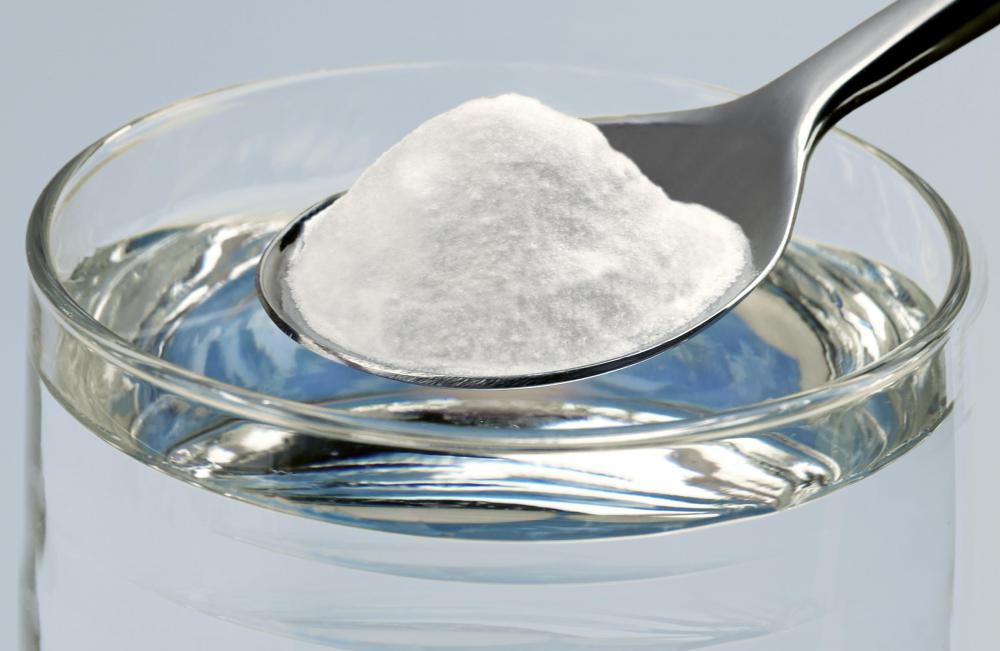
Sometimes, a piercing becomes infected despite careful aftercare. An infected piercing may be red, irritated, hot, swollen, or weepy. If you catch an infection in the early stages, you can usually eliminate it by cleaning the piercing well with antimicrobial soap and flushing it with warm water. After cleaning, the piercing should be soaked in a sea salt solution. Several daily sea salt soaks will greatly improve the healing process, and if the infection is minor, it should disappear in one to two days.

More serious infections can occur, however. It is important to seek medical attention if you feel other physical symptoms such as nausea, dizziness, or high fever. Tell the medical professional who you see that the piercing should not be removed from the infection site. The piercing will seal up if the jewelry is taken out, and could potentially create an abscess. Left in, the jewelry can act as a drain, allowing pus to flow out instead of accumulating in the wound. The jewelry may need to be sized down, but it should not be taken out.

A healthcare provider may prescribe antibiotics for a severe infection. You can also care for your infected piercing by keeping the site clean, minimizing handling of the jewelry, and supporting a healthy immune system. Eat a balanced diet, get plenty of rest, refrain from smoking, and minimize your alcohol consumption. Be scrupulous about caring for your piercings throughout their lifetime, not just during the healing process, to prevent infection.
Mary McMahon
Ever since she began contributing to the site several years ago, Mary has embraced the exciting challenge of being a TheHealthBoard researcher and writer. Mary has a liberal arts degree from Goddard College and spends her free time reading, cooking, and exploring the great outdoors.
Learn more...
Mary McMahon
Ever since she began contributing to the site several years ago, Mary has embraced the exciting challenge of being a TheHealthBoard researcher and writer. Mary has a liberal arts degree from Goddard College and spends her free time reading, cooking, and exploring the great outdoors.
Learn more...AS FEATURED ON:
AS FEATURED ON:


-
![Placing infected piercings in a sea salt soak can help speed up the healing process.]() By: ViktorPlacing infected piercings in a sea salt soak can help speed up the healing process.
By: ViktorPlacing infected piercings in a sea salt soak can help speed up the healing process. -
![A woman with two earlobe piercings.]()
A woman with two earlobe piercings. -
![Piercers want their clients to have beautiful, clean, healthy piercings.]() By: Concept web StudioPiercers want their clients to have beautiful, clean, healthy piercings.
By: Concept web StudioPiercers want their clients to have beautiful, clean, healthy piercings. -
![A doctor may need to prescribe a course of antibiotics for a patient with an infected body piercing.]() By: AllianceA doctor may need to prescribe a course of antibiotics for a patient with an infected body piercing.
By: AllianceA doctor may need to prescribe a course of antibiotics for a patient with an infected body piercing. -
![Symptoms of an infected body piercing may include fever.]() By: kmiragayaSymptoms of an infected body piercing may include fever.
By: kmiragayaSymptoms of an infected body piercing may include fever.


Discussion Comments
Anon29422, try titanium. It's bio-compatible, and it's what they use for hip replacements. My local piercing shop will always use titanium for making a new hole.
If you're allergic to nickel, use 18K gold jewelery instead white or gold but 18K-plus. If infected, salt water soaks help.
Yesterday I took out my lip piercing. Before I took it out I did not have any pain or redness, I only had yellowish green pus (almost every day)that didn't have any smell, so I thought that it was OK to take it out but now I have a little bit fever and there is a "flesh-ball" on the inner side of my mouth where the piercing hole is. It does not hurt but I have fever. Tomorrow I want to go to a doctor but is it then too late? Should I already go this evening to a doctor?
I'm kind of scared. I just pierced my lip yesterday. It was great, but then when i woke up the next morning it felt still numb and then i took the stud (i used an earring) out and there was an area of "black" skin around the hole on the outside. Help, i don't know what to do and if my dad finds out I'm going to be killed so...
i got my navel pierced about five hours ago, but i decided i didn't like it all. due to having a flabby stomach, it looked horrible! so i took it out and was wandering how long it will take to close? and do i still have to clean that area, plus do i still have to tka showers instead of baths and for how long?
I got my lobes re-pierced about a month and a half ago, they were feeling really good with no problems, and all of a sudden today my left ear lobe was really painful. I put neosporin on it just to help with the pain and now (a few hours later) just found it to have puss in it and bleeding a little bit. Anyone have any ideas on how to fix this or what's wrong?
I got my neck pierced a couple days ago, and it was fine in the beginning. But now it's starting to look infected (red, raised) even though I care for it how I should. What can I do to rid the infection or prevent it from getting worse. I already acre for it regularly.
i got my nose pierced about two months ago. a month ago a bump appeared right under the actual ball part on the outside and it circles all the way around the piercing. recently it started itching really bad next to the piercing like in the dent on the side of my nose. does this mean it's infected?
i got the apadravya a week ago and everything looks fine but it is a little pinkish around the exit wound. is this is normal for the amount of time i got it?
My belly button is sore but there is no sign of infection. it hurts when i move around and bend over etc but I cannot see anything wrong with the piercing. if anyone has any clue what is wrong it would be a great help because i am in much pain at the moment.
i got my anti-helix done a few weeks ago. today, i just realized this huge bump formed right on top of it. I'm terrified. i asked my cousin what i should do and she recommended tea tree oil or vitamin e gel from the gel capsules. usually those work apparently.
i also told my mom about it and she went out to get me some polysporin and antiseptic. however, the piercer told me to never use antiseptic because it dries out the piercing. but, what do i have to lose, you know? This huge bump is painful and disgusting.
I got my helix pierced about two weeks ago. Everything was going fine until a couple days ago when i wiped off some crusties with a q-tip. Now my piercing is sore and its painful if something touches it. Is it infected or just irritated? If so, what should I do?
i got my belly button for a month two weeks and a day. the first three weeks it was pink and crusty and then three days ago i came home from a camping trip and if was infected. if you get an infection, put warm water in a cup with sea salt and put that on it. You can use hydrogen peroxide which will drain the pus.
And to help with the pain and to relax you take a clean cloth soak it with lukewarm eater and put it in the microwave for 25 seconds. That's what i did and it worked. its not my idea. i read it and tried it and it works. Last but not least if you have an infected piercing never take it out because you will land up trapping the infection and land up getting an abscess which my friend just got and i am telling you it is really ugly and she in a really intense amount of pain.
I got my lip pierced a few days ago and it was fine when i first got it done but now it's all red and a little bit crispy round the edges. what should i do?
i got my belly button pierced five weeks ago and it's still a little red and a couple of days ago it started getting swollen and it itches and has crust around it. is it infected or is it still healing? i don't know and what should i do to help this?
I got my helix and septum pierced a month ago and I think it's infected. My helix has a small bump on the side, but it's not too bad, yet. My septum is sort of swollen up the sides of it and the skin seems really inflamed. What do I do?
I got my belly piercing today, and i think i might be infected. should i use alcohol or ointment because that's all i have, or clean it with water, or take a shower and use dettol (soap)?
I got my nose pierced a month ago for the fourth time. i woke up a week ago with a pimple like things just above the piercing. i was cleaning it with salt soaks and also the cleanser stuff from the piercer and my piercing fell out and i couldn't get it back in so i changed the stud. around the piercing it has pus and i clean it every day and night. i was wondering is it maybe best i go to the doctor as it is not healing?
Piercings are not things to get on a 'low budget'. Most piercings *will* get infected if you do them yourself, even if they are in less commonly infected areas.
If you don't have the money to get a piercing done properly, professionally or with sanitary tools, don't get a piercing at all. Why would you gamble with your body's safety? You will most likely just end up with an unsightly scar instead of a pretty piercing. Other times the infection can actually take a toll on your body.
This is coming from a DIYer who prefers to do everything at home -- believe me. Piercings are not DIY endeavors.
I had to re-pierce a closed over ear piercing. It was very painful - felt like they were pierced for the first time. They became very red and painful.
I put alcohol on them because that's what I was told to do the first time I had them pierced. This just stung and didn't help at all, so I used Polysporin, just to ease the pain a bit. It helped the first night, but in the morning it was painful again. This went on for two days.
Just now I washed all the greasy Polysporin ointment off my ears with soap and water. I then submersed each painful ear in a glass of sea salt water (1/8 tsp sea salt and 3 oz of water, as hot as I could stand). It felt better immediately.
I suggest going directly to this method to see if it alleviates your symptoms of discomfort.
I have nine piercings now and have had more in my life. I've had every problem from allergic reactions to infections. Here's some tips:
1. Go to a reputable place. Somewhere that specializes in piercings and has portfolios for the piercers. It might seem expensive now, but in the long run if you get an infection or are allergic to the metal it will cost more to fix these problems. Also, if you are allergic to some metals, then the piercer will be able to find something that will help you and your specific needs (although most places now have hypo-allergenic metals in their equipment).
2. After Care: Most places will have something that you need to read in order to take proper care of a piercing. If you didn’t get one or you lost or threw it away here are some things that you’ll need: 1. Surgical gloves (non-latex, powder free); 2. Sterile alcohol pads (a box of like 25 is $4); 3. Antibiotic ointment (such as Neosporin); 4. Waterproof band-aids or butterfly band-aids for knuckles.
The alcohol pads are used to clean around the recently pierced area, but be very careful to not use a part of the alcohol pad that your bare fingers have touched, because once you touch it, it is no longer sterile.
After you clean it, place the antibiotic ointment on it, once again do not touch it with your bare fingers. Use a q-tip or top of the tube or packet depending on what type you got.
Afterward, place the band-aid with the pad on the piercing. Make sure that the brand you got has a thick waterproof seal and it does not have a sticky material on the pad part of the bandage because when you go to take it off, if it does, it will have stuck to your jewelry and your healing skin and probably cause more damage.
I recommend the gloves for obvious reasons. They prevent you from touching the sterile objects. Wear the waterproof band-aids in the shower because some tap water will throw off your PH levels and make it so that you will get an infection.
If your ear or nose is the one that got pierced use a glass to hold over the area for about a week until it has had time to heal more. Do not wear tight clothing on it for about three weeks unless you are willing to place a bandage over it. Your fabric rubbing on it will aggravate the piercing.
Also swimming, long baths, or direct friction is a no-no. The fastest way for a piercing to heal is to leave it alone, no touching and no mouth contact.
3. How to tell if its infected and what to do:
Types of infections vary but symptoms are usually the same. If you catch it early enough then it is extremely easy to fix. If not you’ll need to see a doctor and talk about possible antibiotics.
1. Weepy: It is common for new piercings to secrete a clear fluid; it’s your body’s natural way of healing itself. But if it’s yellow, brown, or a cream color is when you have a problem.
2. Irritation: If its red, and painful.
3. Hot to the touch: to test this do not put your bare finger directly on it until you wash your hands! Use the tip of your pointer finger to gently feel the area around it. Don’t press hard on it, but rest your finger on it and leave it there for about 30 seconds. You should be able to gauge if it’s warm or not. Afterward, clean the area you touched with an alcohol swab.
4. Change in color: pink is it's fresh, red means that it is severely agitated, black or green means you have a serious problem on your hands and you need to see a doctor straight away.
5. Smell: Infections make the area around it stink, and you'll notice it.
How to take care of a mild case is really simple. Use the aftercare section above, and also incorporate a warm water, sea salt soak for roughly 10 mins. Now how I recommend doing it is to use a shot glass. Fill the bottom half with salt until you can't see the bottom (no more than that) and then fill the rest with warm water and carefully place it on the wound.
Use your head, gravity is your friend and will help you place the shot glass on the area. Do that three to four times the first day about every three hours, the second day three times every five hours, and the third day on twice a day in the morning and night will do. You should see it clearing up.
Also be sure to drink a lot of water and sleep longer; it will help fight the infection. Another thing, do not take out the piercing. You might need to get a smaller one if it gauged but if you take it out and it heals, sometimes it will heal with a pus pocket under it and it will cause a worse infection. The jewelry will act as a drain to keep the hole open until it can be healed and is no longer draining pus.
Remember: piercings are still open wounds, and they don't fully heal in a month or two. It takes roughly six months to a year to heal, so be sure to take care of it until then.
And stress and environmental factors will also cause irritation and sometimes small infections. Just take care of it and you’ll be fine. Hope this helped.
I got my back pierced five months ago and I have bars but its still not healed. They said it takes six months to one year to heal, but it's really black at the moment and I was wondering if it would clear up.
i got my lip done on Sunday, and pus is coming out every time i push on it, and not this morning i pushed it and its stared bleeding? is it infected?
So I pierced my septum two days ago. Nothing has gone wrong at all. Are septum piercings supposed to bleed whatsoever? Or hurt? because mine did neither and i wanted to know if I did it right?
i got my lower back pierced. i have bars and it looks black. I don't know what to do. I need help!
I got my finger pierced. yeah i know it's weird but i love it and right now its a little infected and my friends ask do you plan on taking it out? And i say No way. But I really don't want something worse to happen what can i do?
i got my nose pierced on christmas eve and like two days ago i got out of bed and there was a bubble next to my piercing. i thought it was a pimple but it was infected so i put peroxide on it and it has gotten better. it's going away.
I think the suggestions for caring for piercings are very wrong. I had piercings many years ago and we always cleaned the posts and the sites with rubbing alcohol. Cleaning with saline is like cleaning with water.
One of my daughter's ear piercings recently became infected. I discovered she was only cleaning it with a Q-Tip and saline. I told her that she was getting a better cleaning each time she washed her hair because at least she was probably getting a little soap on it! I hope this will help.
I got my belly button pierced last saturday. It's only been 5 days but it seems like it has a red ring around it. I did wear some tight clothes over it. So I'm wondering: is there a reason that it would have this red ring around it?
Well i got my belly pierced and i think it's infected. Will it get better by itself? Wondering. :)
I got a monroe about three months ago and about a couple of weeks ago i noticed a flappy skin inside my mouth where the flat part of my piercing is. i was wondering is it infected and if so what should i do?
hi i got a cartilage piercing about two weeks ago, almost three now and didn't have any problems with it until now. It as gotten really swollen and half my ear is red and feels warm to the touch. I put polysporin on today. should i seek a doctor? Please let me know asap. thanks for your help.
i have spider bites but i wanted to have snake bites at the same time so i pierced the other side of my lip. and its really weird because the swelling has not gone down and it only takes like 3 days. it's been like a week and pus is coming out.. I've done all my other piercings myself (everything was sterile) and this is the first time this has happened... im scared i hit a vein or something.
i have a anit eye brow piercing. its gotten red and pus comes out once in a while. sometimes it doesn't. my skin is turing a weird color and sometimes it swells, too. what should i do because i don't want to remove it, because it looks so ugly with it off. what can i do?
I got my bridge pierced something like a year ago but a few months ago it's gotten infected and it's gotten worse but thankfully hasn't spread but some skin has changed color and on one side of the piercing a swollen bubble or something as formed i don't know what it is. what should i do to help heal it?
I have just recently got my forward helix pierced and now it has come up with a little lump around the wound. I have treated it as the shop said, but still hasn't gone. Is there anything else I can do? Is there something to be worried about?
When you use the sea salt, do you take the ring out or just pour the warm water on it?
I got a belly piercing but was stupid enough to do it myself(sanitary tools though). I put an actual piercing in after about a week of a thick safety pin. It was oozy and weepy then. When I took off the safety pin and replaced it with an actually pierce it came out covered in guk... pusy stuff, you know? But now that I have the actual pierce in it's healing and going crusty on me, but the redness and pain is still there. Anyway that I could get help on a low budget? (i'm a student)
The belly button is the most common for rejection and infection. If you find that your belly button is very red and sore during the heating process, take a steaming facecloth and place it over the piercing, and it should draw out the infection. If it doesn't improve, go straight to a doctor or back to the piercer so they can remove it. =)
I just got my lip pierced and I thought it was infected, but it turns out I had an allergic reaction because the ring was nickel. My doctor said to just take out the piercing and let it heal, but I was wondering if I could just replace the ring with one made of stainless steel instead? Should I just take it out or is it safe to replace it?
Also, certain areas of the body are more likely to become infected than others. Ear and nose piercings are easy to deal with and don't become infected as often, while eyebrows and belly buttons become infected quite a bit more often.
Post your comments