
At PracticalAdultInsights, we're committed to delivering accurate, trustworthy information. Our expert-authored content is rigorously fact-checked and sourced from credible authorities. Discover how we uphold the highest standards in providing you with reliable knowledge.
How can I Become a Veterinarian?
 Tricia Christensen
Tricia Christensen
Tricia Christensen
Most experts recommend that the first step to become a veterinarian is to build up lots of practical experience by volunteering. Many recommend as much as six years of experience as a volunteer to increase the chances of being accepted into an accredited college for veterinary medicine. After completion of secondary education, it is typically recommended to earn a four year, college degree in either biology, math, or science. A four year degree and hours of volunteer experience increase the chance of being accepted into a veterinarian school, where one will study for an additional four to six years, depending on the country's requirements. Additional exams and continuing education courses are often required to keep a veterinarian's license current and valid.
Volunteer Work

Some secondary schools now require a certain number of community service hours per year to graduate. Even if it is not a requirement, students may volunteer during secondary school to build credible experience by working with a local vet, a veterinarian hospital, or a humane shelter. If there is an opportunity to work in a zoo with exotic animals, the chance of college acceptance may increase as well. Students should avoid getting pigeonholed into one specialty and try out as many different types of “vetting” as possible. By volunteering during this stage of their education, students increase their chances of being accepted not only to an undergraduate program, but to a veterinarian school as well.
Undergraduate Studies

In most countries, it is recommended that students earn the equivalent of a bachelor's degree before applying to a veterinarian school of medicine; preferably, the degree should be in a related field such as biology, math, or science. Earning high grades is important because there are relatively few veterinarian schools in most countries, so acceptance is generally competitive. For example, there are fewer than 30 accredited schools for the would-be veterinarian in the United States; if a candidate's grades are not high, chances of getting accepted by one of these schools is minimal. Continuing to work with animals either on a volunteer or study basis is important when earning an undergraduate degree.
Veterinarian School

The application process for veterinarian school varies from school to school. Most countries have a veterinarian association where information is available regarding veterinarian schools and requirements for each country. In the United States, the organization is called the American Veterinary Medical Association (AVMA), Europe has a Federation of Veterinarians of Europe (FVE), and in Japan it is known as the Japan Veterinary Medical Association, just to name a few. When deciding to become a veterinarian, these associations may offer valuable information on their websites regarding which school to apply for, how to apply, and what to expect.

Once in a school for veterinary medicine, students will complete an average of four to six years of study, plus practical training, before applying to become a veterinarian. In the United States, these years should be preparation to take federal licensing exams; one should also expect to take state licensing examinations for any state where the practice will be located. Some other countries also require potential veterinarians to pass a final exam before becoming a licensed animal doctor. During veterinary school, students may decide which field they wish to study; some options include domestic animals, reptiles and birds, and marine life. It is also possible to specialize in a specific area, but this usually requires additional schooling.
Continuing Education

In order to become a veterinarian, many countries require vets to gain continuing education credits in order to maintain a valid license. This is usually required because the field of medicine is constantly changing; it is important for all doctors to learn and practice with the latest knowledge.
Tricia Christensen
Tricia has a Literature degree from Sonoma State University and has been a frequent PracticalAdultInsights contributor for many years. She is especially passionate about reading and writing, although her other interests include medicine, art, film, history, politics, ethics, and religion. Tricia lives in Northern California and is currently working on her first novel.
Learn more...
Tricia Christensen
Tricia has a Literature degree from Sonoma State University and has been a frequent PracticalAdultInsights contributor for many years. She is especially passionate about reading and writing, although her other interests include medicine, art, film, history, politics, ethics, and religion. Tricia lives in Northern California and is currently working on her first novel.
Learn more...AS FEATURED ON:
AS FEATURED ON:


-
![Prospective veterinarians should volunteer at an animal clinic before pursuing veterinary science as a course of study.]()
Prospective veterinarians should volunteer at an animal clinic before pursuing veterinary science as a course of study. -
![Veterinarians may work with cats.]() By: orelphotoVeterinarians may work with cats.
By: orelphotoVeterinarians may work with cats. -
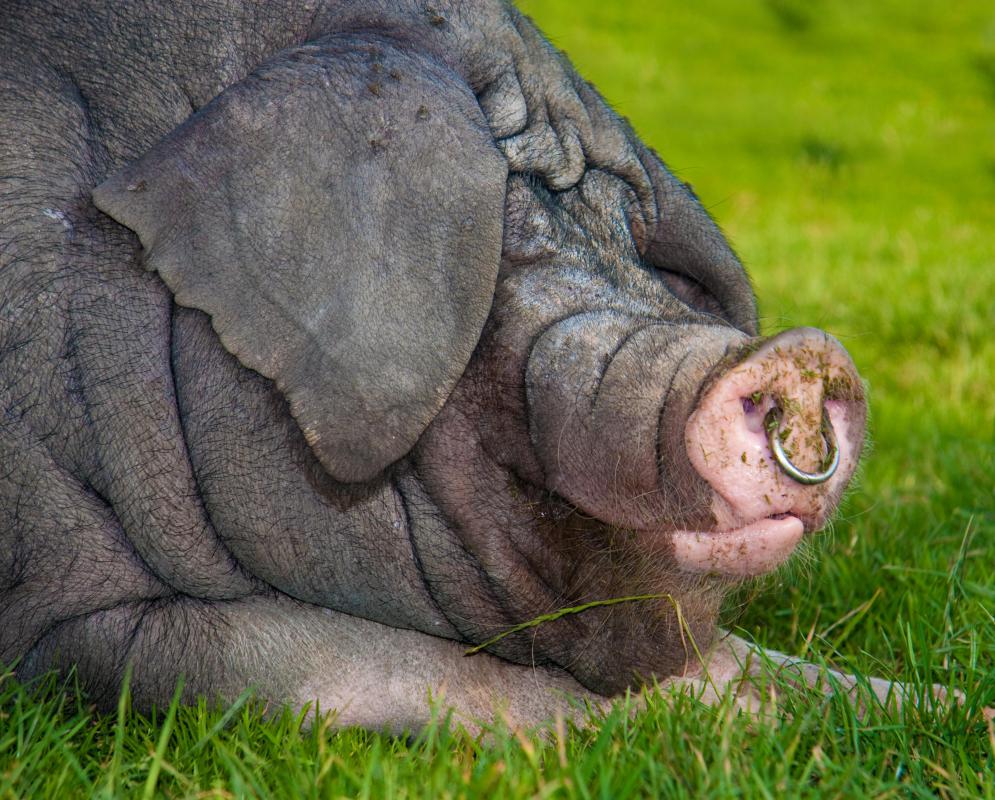
![A veterinarian may treat livestock animals, such as pigs.]() By: m-buehnerA veterinarian may treat livestock animals, such as pigs.
By: m-buehnerA veterinarian may treat livestock animals, such as pigs. -
![Veterinarians usually have 6-8 years of schooling, plus practical experience.]() By: Gabriel BlajVeterinarians usually have 6-8 years of schooling, plus practical experience.
By: Gabriel BlajVeterinarians usually have 6-8 years of schooling, plus practical experience. -
![Prospective veterinarians can gain experience and earn credibility by volunteering at animal shelters.]() By: huesProspective veterinarians can gain experience and earn credibility by volunteering at animal shelters.
By: huesProspective veterinarians can gain experience and earn credibility by volunteering at animal shelters.




Discussion Comments
@anon347306: The University of Tennessee in Knoxville has a fine school of veterinary medicine. If you want to stay in the South, also check out Auburn, Mississippi State, the University of Georgia and North Carolina State.
I would get as many science and biology classes in as possible. You might also want to check into volunteering on weekends with a vet's office, to get a feel for the profession. Contact the Association of American Veterinary Colleges. They can probably give you a lot of good information. Auburn's vet school website also has a wealth of information for aspiring veterinarians, even if you're not applying there.
My name is Abby and I am 14 years old. I am mostly a straight A student and I am also in student council. I want to become a vet when I get out of high school. I was wonder what credits or hours I need to get accepted into pre-vet or vet school. Also, I would like to know what good vet schools are around Tennessee.
I am 13 and I have always wanted to become a vet. What Levels do I need and is there anything I could do to start training to be one?
@anon257992: Most kids find that out. But there are the good and the bad. If you love animals go for it. Sure there's that ticked off guy, but also think, isn't there that one regular that would always make you smile?
I am 12 years old, but I've wanted to become a vet from grade 3. There is a vet clinic in my community and I would like to volunteer, but my neighbor called and they told her that I needed to be 16 or older. I'm wondering if I should ask them myself and let them be aware of how much I really would like to help out. I'm from Jamaica, by the way.
I have just completed my HSC with maths, chemistry and physics as my main subjects and general paper and biology as sub. I was wondering if you can tell me the required results to get an admission in any veterinary school in India.
I'm only 12, but I want to gain as much work experience as possible. Any ideas on where to start?
I am an 18-year-old senior and I was wondering how to become a veterinarian. What colleges universities and vet schools should I attend?
Don't bother. You'll come out of school deeply in debt with a measly salary that will cause you to put your debt on hold due to economic hardship. You will not be respected by clients, either by them disrespecting your time, demanding your time, or being non-compliant about your recommendations. You will never get out on time and due to typical clinic hours, will rarely be able to have a social life, at least not one with other people.
You will not be able to make a good living unless you live in a small town, definitely not in a big city. Oh -- and you will need to juggle multiple issues at a time while dealing with three more and the ticked off client because his dog isn't better after chose to not follow instructions.
To all the young people (under 18) please evaluate why you want to be a vet. It is not all fun and games and playing with animals.
You can still get into vet school with a 3.0 GPA. Good luck to all.
@anon212270: I'm in the U.S., so I don't know all the requirements to be admitted into a veterinary program in Australia, but it will probably depend on the school where you apply as to what your grades must be. If I were you, I'd just run an internet search for schools of veterinary medicine in New South Wales, and start from there. I know there is a very large university in Sydney, but I don't know if they have a school of veterinary medicine. Surely they have a website, though, and you could check there.
Does your family have a regular vet where you take your pets? If so, start with him or her and ask where they went to school, and how to get started in the field. Most vets are glad to help young people with this, and you might even apply for an unpaid job as an aid in the office, which would give you valuable experience and would be something you could put on your application to vet school. Good luck.
I am 12 and I have wanted to be a vet for as long as I can remember and I want to go to guelph university in canada. I was wondering if my grades needed to be just an A or higher? And also if I become a vet other than my schooling do I have to perform surgery (not including neutering and spaying)?
I'm in year 11 and I've always wanted to become a vet but I'm not sure that i can get 98.6 percent for my atar. What can I do to become a vet if don't get the marks for it? And also, what universities in new south wales offer veterinary courses?
I am a Nepali student. I've got a handsome scholarship in India, but still I am not so happy. Maybe I don't want to be a vet. I am amazed to see you guys paying so much interest to this science. I appreciate your enthusiasm. Keep it up guys.
My name is Jessica.I'm just starting high school and I'm 14 years old. I want to know what I have to take in high school that will help me with my vet career?
My name is Anne and I am in Grade 11. I have always dreamed to becoming a vet. I also volunteer in an animal center and love take care of the sick animals. Now I have to choose my subjects for A-levels. I was thinking about taking biology, chemistry, maths and GP. But then a friend of mine told me that i should also take physics in order to get admitted in a veterinary school. Is this really necessary?
I'm 15 and in gr. 10, and I have a 97 percent average. I'm choosing between being a vet and a doctor, and I've had a lot of experience volunteering in hospitals but none in vet clinics or animal shelters. Would I have a good chance of getting into a vet school without animal experience?
My name is christy and I'm a sophomore in college. I'm going to take chemistry, pre cal, and AP english next year. I'm also planning to take AP biology, AP cal, and AP english my senior year. I'm getting GPA of 3.6 and currently volunteering at pet store. I was wondering if this is good enough to be a vet and hoping to get advice of what to do now. Also, I'd like to hear requirements in order to become a vet. Thank you.
My name is sydney and I've always had a passion for animals ever since i was four. i was helping out animals but in the 4th and 5th grade i had it rough because i wasn't used to home schooling and it's not because i wasn't smart. it was because i didn't know how to give the teachers my homework, but now that I'm in the middle school (public) i work really hard.
my question to you is, will i get a good chance at going to vet tech in pittsburgh even though at one point my grades dropped like a rock, all because i didn't know how to enter the homework? because i know I'm smart. i get A's all the time there like my class average.
I am 12 and i want to become a vet. please tell me how can i become a vet and which is the best veterinary college in india. what all should i study for becoming a vet? please tell me!
I think I should just put it straight to all of these people, many girls, hoping to become vets:
1) You need to be a straight A student to even have the slightest chance at getting into a veterinary college. This may seem harsh, and I'm sorry, but that is how it is. It is the most important thing about being a vet. You cannot be a vet if you do badly in school.
2) You also need as much experience as you can fit in. This means starting as young as 10, volunteering at stables, animal shelters, dog groomers, farms and anything else animal related. This is one of the most important things, and some collages see it as more important than actual grades.
3) You need to have dedication to animals. Veterinarians get paid a lot of money, but you should most definitely not aim to become one for the salary. Veterinarians work very hard, and have to be very dedicated to animals, and be ready to help them - day or night!
4) You need to have good people/social skills. You will be seeing just as many people as you will pets, and you will need to communicate well with them to help them do the right thing for their animal.
I just thought that that should clear some things up for some people, who obviously don't know much about being a vet or what it takes.
As a rule: Jr. High/High School marks are largely irrelevant for acceptance into a DVM program. Get the grades (depending on the school, 65-100 percent averages) and build the study habits you need to enter a Bachelor of Science program in a respected university.
At this point, you must strive for a 3.0/4.0 GPA while completing all of the prerequisite courses needed for the DVM. Note that a 3.0 would be a minimal acceptance grade and it would take special circumstances to be admitted with that level of academic performance. Expect to be rejected with anything less than a 3.2. 3.5-plus is recommended for applicants in Canada.
If you can obtain a 3.7-plus and gain valuable volunteer and work experience along the way, your odds are significantly higher. Hope this helps.
i don't get why people want to be vets? this career has no money, status, or stable job prospects, plus it's dangerous to catch some disease or get injured by a scared animal. it could be just a nice hobby, i think.
My name is jenita. i want to become a vet and this year i got to choose my subjects. can you please help me out?
i live in Mumbai in India. I am in 11th and 15 years old. i want to become a veterinary doctor. i love animals and birds. i want to know what i have to do after 12th. Which field to take? please suggest some good colleges or hostels if possible.
I'm 16 and I'm a sophomore. I've wanted to be a vet since I was six, and i want to know, what courses do i need to take in my junior and senior year in order to take it as a major when I'm in college! i study in an international school which offers it. what subjects should i take for HL and what subjects should i take in SL?
I am 25 years old and i have completed my Bachelors in Computer Science and Engineering. I really wanted to become a vet since my childhood. Unfortunately my parents insisted me in taking engineering and now i am a computer science engineer.
But in my 12th grade i took Maths, Biology, Physics, Chemistry as my major subjects. I am not satisfied with my computer engineering career since i have extreme love and affection for the animals and would love to dedicate my time for them.
Now i am really looking for options to take up the veterinary course. Is there an opportunity for me at this age to go ahead and become a vet?
Hello, I have wanted to be a vet since I could speak!! I live in Ontario Canada and want to go to Guelph for University.
I am 15 years old and in grade 10. I am starting my academic planning, all the courses I am taking are academic and I am taking all of my sciences and Maths so that I have all the prerequisites for Vet school! My average is at about 83 percent, which is an "A," but I am told that is nowhere near close enough to make it into the school I want to. What does my average need to increase to before I could make it into the vet post-secondary system? Thanks in advance! - Animalloveranon!
You go girls! I am twelve too. I want to be a vet also. I plan to go to a vet office and ask if i can watch them and in return do chores for them. Also, try buying some vet textbooks.
I really want to become a vet. my cousin and I have been planning this since we could talk, but we have no idea where the start or what class to take. we are only 12 years old going to be 13 this year. Are we planing to early or is this a good time to start. I really need help!
@anon140028: If you live in the United States, you should be able to look up colleges of veterinary medicine and get a list. You can also contact the Association of American Veterinary Medical Colleges. If you live in Canada or the UK, I'm sure there are similar associations in those countries, as well.
Such a list will tell you which universities offer degrees in veterinary medicine. Look at each university's online catalog, and check out the section on the degree requirements for this major, and it will have a complete list. You should then be able to look up each course in the catalog to get an idea of what it entails. For instance, Auburn University's College of Veterinary Medicine (in Auburn, Alabama USA) has a ton of information online, including courses to take and what high school students should do to prepare for a Doctor of Veterinary Medicine degree. Most schools will have similar information available.
Right now, focusing on science and math classes and getting excellent grades in high school should be what you're thinking about.
But just in the Southeastern USA, Auburn University, Mississippi State University, the University of Florida, the University of Tennessee, the University of Georgia, Louisiana State University and North Carolina State University all have schools where you can earn a DVM degree. However, there are 27 colleges of veterinary medicine in the U.S.
Look around, find the colleges close to where you live, look at their websites, request catalogs and see what their requirements are. You should be able to get a wealth of information concerning what opportunities and careers are available in this field. Good luck!
I'm 12 years old and I've always wanted to become a vet since i was a little girl. I've read lots of books about it but i still can't find the answers I'm looking for. What college supports the desire to become one?
My name is Tanner and i am 16 years old and a junior in high school. I have always have had a passion for animals and when my animals get sick i love nursing them back to health. I also get calls from my family and friends asking for advice when their pets get sick or hurt. I have always dreamed of being a vet and i would like to know some of the requirements that i would need to get into a vet college.
I also would like to know what classes i need for vet school. I have already completed biology, algebra, and life science. I am currently taking chemistry and geometry and next year i am probably going to take physics and trig. My grades are pretty high, mostly all in the 90's. How high of an average do you need for vet school. Thank you in advance.
I have always wanted to be a veterinarian. i am currently doing the early college program and i am making all good grades. I am hoping to go to N.C. State, because it is the top vet school in my book. Good luck to everyone who wants to be a vet, and i hope that it happens for you!
I'm jeanlena a grade 11 learner and 16 years old. i like animals and when my dog is injured i help it, what disappoints me is math but i will try to make it. i'm good in biology. i just need help in maths so that i can improve and again i don't know what marks should i take in each subject. please help me. i like this.
Thanks. this helped a lot for a school project! Good luck vet people!
My name is Abby and I'm 13 years old. I really want to become an exotic vet. I'm in eighth grade and I've finished the 1st quarter with a 100 in science.
I've always wanted to be a vet. I hope next year in high school i get really good classes. I'm going to take a biology class, chemistry class, and maybe calculus. is this a good start? do you need to be a straight A student to get in one of the 26 accredited vet colleges?
I live in New Hampshire and I was thinking about going to Tufts University in Massachusetts, or the University of California. I've always had really good grades and I've always loved animals. I've owned pigs, chickens, cats, and fish. I love domesticated animals but I love other animals too. I like horses and all as well. Would an exotic vet treat cats, dogs, livestock, poultry and birds? Just wondering. Thanks!
I'm trying to research lots of information for a project I have to do and really, really, really want to be a veterinarian.
I'm Bradee, and I was just wondering: do you have to have all A's to be a vet? I've always wanted to be one but I'm not the brightest. But, i have the determination and the love for animals to aim high.
I am 13 and being a vet has always been my dream since about the age of 5. I have dachshunds and loved animals from the age of three or four. I live in ND and there are like no vet schools. i mean, there is like one pre-vet school but i know it takes eight years. I'm willing to anything. Is it because it's close to being a doctor but just on animals i have always wondered? So please, if you could help me, that would be wonderful
I'm milla and I'm 11 and I'm really looking forward to being a vet by doing good in school, studying, and tacking notes on the internet and copying them to the note pad, which leads to organization.
I'm Tanzania and I always loved animals and always dreamed of working with them. Well to get to the point, what steps did you take to become a veterinarian? What were the hardest? And are you able to own your own business now or you have to have a masters to do that? Because that's one of my dreams to own my veterinarian center or become a zoologist. I don't know. What should I do?
My name is jessica and I'm 14, a freshman in high school. i have wanted to be a vet since i was four and really want to pursue that career.
I know you have to get very good grades and take lots of sciences, which i have covered because I'm in advanced biology already and I'm an A student, but what other courses should i take? Would joining biology club be helpful? But then it would interfere with my other activities- italian club, cheerleading and volunteering at the shelter, so i don't know how to add any extra things into my schedule, but i really want something that will make me stand out more over others. any advice? Thank you.
I am 11 years old and i really want to be a veterinarian, but i have no idea where to start or what to start learning. Please help me! Thanks.
i really love animals. i have wanted to be one for a long time now and i was wondering what i need to do and what kind of grades i need to get. I've done voluteer work for animals before.
I saw this huge line of people, and though I might add my own story to he climbing numbers here.
My name is Julianna and I live in Dubai. I have a passion for animals, and have wanted to be a vet since I was four, which, of course, back then seemed to be silly and unachievable back then to everyone really. But now, I am 16, finishing school soon and I would greatly appreciate if anyone with a knowledge of vet schooling could get in touch with me.
I am also currently doing work experience at my local vet. Please get in touch, thanks in advance, Jule
My name is Luz and I'm 14 years old. i really want to become a vet. I'm not sure what steps i have to take to become a vet. Where do i have to go? do i go to a four year college and then to a vet school? please help
I'm 13 and I've always wanted to be a vet, but ever since i entered middle school I've had a little trouble with science but am doing good in other classes. does that affect my chance at being a vet?
Hello, I am interested in becoming an equine vet. I recently got a new horse and am riding. I know a lot, but not much about being a vet. I need to know what GPA average I need to get into vet college. Does anyone know?
My name is Shelbi and I'm almost 15. I have wanted to be a vet since I was 6 when my mom bought me my first horse. I want to get all the information I can. I live in florida and the only vet school in florida is in gainesville, but what degree do I need to get first before I go to gainesville for vet school? all the information I can get will help!
My name is jamari and i want to be a vet. I'm 16 years old. i know a lot about dogs and a little about cats, but not that much. I'm going to volunteer at a shelter to learn more about cats and other animals.
Minnesota has a great program. It is very hard to get into, like most Vet schools. My mother graduated from there and I hope to follow in her footsteps soon.
My name is Marisa and I'm 15 years old. I want to be an animal cop, but I really need help on the steps to get there. Please help me. I want to save the animals who don't have a voice and give them a better life that they truly deserve. --Marisa L.
My name is Heidi and I'm 14, turning 15 in a couple of months. I've been looking up some vet stuff and want to be a vet but i have two questions. What grades and classes do I need to become a vet and is there any volunteer or jobs as a vet assistance or to work in a clinic at my age in or around Roanoke, Texas? Thank you!
My name is bianca. i really want to become a vet but i am not smart. i normally get c, b, a at school. my mum and dad said that i have to get a's or b's all though school. is that true? i love pets so much. i have one cat and two dogs. i am 11 years old.
My name is Jeongben, yes an odd name but anyway, I've always wanted to be a vet but I'm not the best in math or science, which I know I have to excel at.
I'm 13 and not old enough to do volunteer work yet, but I have seen the way people treat people, and how they are skinned alive, beaten, cut, etc. So I definitely know where I want to lead my career path towards. Only I'm worried my math and science might affect my chances. Should I give up, no matter how much that would break my heart? Please help. I get straight A's and B's, though.
My name's Mikayla and I've been wanting to be a vet for a while now. I'm not a genius but i am quite smart and do well I'm school. Currently, it's still summer, but in the fall i am going into high school. i know that in grade 9 there is not much choice in classes for your future (anyway I've already chosen them).
But I've been wanting to know what are some good class choices and/or extra curricular activities that would bring me further and make it easier for my future.
Please help me make a smart choice. --Thankfully, Mikayla
My name is Brittany and I am 11. I was put in a year six class with five other year 5's and we were told we were the smartest year 5's. But I want to be a vet when I'm old enough.
I have been studying ever since I was six to be a vet. I just have two questions. Is it scary looking at cruelly treated animals? and what age do you have to be to start working as a vet?
I'm Becky, I'm 13 and I've wanted to be a vet since i was six. I tried to get some early work experience at my local vet surgery, but because I'm too young, I need to get special insurance from my school.
I've been keeping in contact with one of the vets there through letters, but there's still no hope for me at the moment. I was wondering if there could be anything else I could be doing to boost my chances of pursuing my dream career in becoming a vet? any ideas? thank you.
My name is maria and I'm going to go in year 7 and that is really when i have to study hard. I have always had a passion for animals and i had a pet dog cat guinea pig and fish. If any of them get sick i loved going to the vet because it teaches me so much things and i love to learn.
Ever since then i have wanted to be a vet so badly. But i really don't know what to do next. I really want to be a pet vet and run my own clinic. But i don't know what i have to study and what i have to do. I am willing to do eight years in college and to focus. But if some one could help, i would thank them 10,000 times. thanks!
My name is Hannah and I'm 12 and I'm dying to become a veterinarian and I was wondering what I have to do now to become a veterinarian when I'm older? Does anyone know?
I'm Teya and I'm 17 yrs old and I'm in year 11. I always wanted to become a vet but I didn't really look into the subjects. So i was wondering what subjects I could do to pass it and what marks do I need for it? Thank you.
I'm kelsi and i want to be a vet and I'm in year 10 so i still have like three years of school and i was wondering what i should be studying so I'm ready for university. so what subjects should i be studying?
My name is Gwen, and I live in Canton, Ohio. I also want to be a veterinarian. If you live anywhere close to Ohio you could attend either Walsh University, or Brown Mackie College. But it also depends on what kind of vet that you want to be. There are lots of different types.
Being a Veterinary Technician could be one choice of yours. I know i have looked at that. If you want a job that pays good money, that could be one. But also know that you should probably get info on all different things and keep your options open. Not all colleges give the same options so look into everything that you think is possible to become a veterinarian and keep a journal so you know what you should know.
I am only 14 and a going to be a freshman in high school, but always remember keep your options open and pray to God and see if that is what he is calling you to be. Maybe he wants you to be something else, but it's all up to you!
I'll keep in mind that there are a lot of people who want to be the same thing as me.
i am currently studying. i wanted to know the scope of veterinary science. please help. i really am passionate about this job.
@Anon97750: O.K. Not being unkind here, but your current GPA is not going to qualify you for too many scholarships. In general, at least a 3.0 is required before anyone will even look at you.
You do know that, if you complete a four-year ROTC scholarship program, that you're required to serve in the military? Unless they've changed that requirement.
It's your decision, but my advice would be to take the ACT and SAT tests, and do as well as you possibly can on those. Get your grades up between now and then and you may qualify for a partial scholarship of some kind at your local junior college. Talk to your high school counselor.
Get admitted to the junior college and get all your core subjects out of the way: Freshman English, College algebra, all of those. In the meantime, start checking out universities in your region with schools of veterinary medicine. Once you decide on one, look at the school's catalog (many are available online or at your local library) and see what core courses are needed for your undergraduate degree and start concentrating on those at the junior college.
It is *much* easier to get a transfer admission from a junior college with really good grades than to get in from high school with so-so grades. If your grades are good, you may also qualify for a transfer scholarship.
Start checking catalogs now, since they will list all the requirements for the degree and you can be prepared.
Get those high school grades up and graduate as strong as you possibly can, get really good grades at junior college, transfer to a four-year school with a vet program and do well there, get admitted to the post-graduate veterinary school and you're on your way. But you've got some hard, dedicated work in front of you. However, others have done it and you can, too! Good luck.
I am 16 years old, and I'm going to the 11th grade. I have a 2.7 GPA. I do not know the exact step to becoming a veterinarian and I always wanted to be one since I was six years old. But I also want to stay close to home but want to do it on a scholarship. But also want to do it with kind of any Rotc. I need help.
I'm only 11 but I have a big dream of becoming a vet. Animals have been my pride and joy and they cure my nervousness or clear my sadness. Please tell me how many years to finish vet school, how much money I am taking in, how safe it is, etc.
I also have a dream of Animal Husbandry. Please help me choose, since I want both! I love farm animals as much as other pets, and I've always wanted a horse since I was three, and I have a goat in my house, with no farm. I'm practicing now at an early age, so please help me choose, or can I choose both?
My whole life all I've ever wanted to be was a vet. I've always had a love for animals and everyone who knows me knows that. This is something I have a passion for and I really want to college where the people in my classes share that same passion.
I'm 15, and next summer I will be working at the local veterinarian's office. I hope this gives me some experience. This is something I'm willing to sacrifice for, and I've never felt that way about anything. I've always only seen myself as a vet. It's the only thing I want to be.
I'm driven and I'm determined to make sure that my dream becomes a reality.
my name is tiff and i want to become a vet. I'm 14 and really want to be a vet so what subjects do i have to take?
i am 16 years old and in 10th grade. I would like to become a vet when I grow up. I live in Wichita, Kansas. I need to know what college would you recommend for me that is close to my home town. I was thinking Kansas State, but I just don't know. Please help!
I'm Olivia. I'm 12, but I'm realistic. You all do know that only like 2 percent of everyone who posted here will actually become a vet. I'd love to be a veterinarian and although I hope to get some work experience with animals and study zoology and all my sciences etc, I don't have the right social skills for it and I know that. --Olivia.
Though i am only 13, i have big goals for the future. Someday, once i get out of veterinary school and have started a good base for my job, i would love to go down to a place called Sells, AZ to help out the animals there and give them the proper care they need and help the ones that aren't getting proper cared for, find new homes in better areas where they will be cared for.
i do have a question though, since I'll need a good base so i have enough money to start this project in Sells.
Should i start my own clinic or should I take part in another vet office? Thanks so much
Does anyone know the mark required on the HSE in order to become a vet?
I've always wanted to be a vet all my life. my first word was vet.
I am 12 years old and I have always dreamed of becoming a veterinarian. I was wondering what steps I need to take to become a vet? Also, what can I do now that could help me along the way? Thanks, Madi
I'm sofia and I'm 13 and in the eighth grade and i wanted to know, what are the steps to becoming a vet or veterinary surgeon? I have wanted to be one as long as i can remember and i have always loved animals. I want to know what I need to do to reach my goal. Thank you so much!
Ive loved animals all my life and its my dream to become a vet. Sabrina from Ontario
My grandpa's a vet and i love animals. They give me so much happiness. I'm 13 and I'm doing a paper on how to be a veterinarian.
i'm 13 and need to do a research paper on a occupation that helps humanity. i chose a vet because i love animals. But i was wondering what are the essentials to becoming a vet?
I'm a girl who is 15 years old I'm already looking for colleges to attend. does anyone know the best colleges for vets? i love animals so much and have a lot of experience so it would really help if someone could answer this question. thanks.
my name is stephanie, and i am 15 years old. i would like be to a vet. i have wanted to be a vet since i was 5 years old. i love animals.
i am lauren. i want to be a horse vet.
I'm Julia and I'm 13 years old and i want to become a vet, because i have helped hurt animals and i love to help any animal(s). For example me and my friend helped this baby rabbit because her cat had caught it and was playing with it. We scared the cat away so it wouldn't eat it.
So that night we took care of the baby rabbit and had looked up what to feed it, but we didn't have the right things, so we put it back outside and right when we did it started to rain and thunder and lighting. So we took it back inside and tried to take care of it, but unfortunately the baby rabbit didn't make it.
I'm ashley and I'm 13 and I'm hoping to be a vet but I'm not sure what kind of courses i should take to make that happen. i really want this because I'm great with animals.
I'm 10 but i love animals and i am already saving for vet school. how can i earn money and help animals.
I'm victoria i am 13. i have always wanted to become a vet. it is the only job i actually want. i don't care how many years i have to be in school. i will eventually open up my own clinic. what college should i go to?
My name is Alexa and I'm 15 and from New mexico and I've wanted to be a veterinarian since like I was six and I'm a freshman in high school and I'm not doing so good in biology. I was hoping I still have a chance at being one but since I am doing bad in biology I'm not so sure I am still eligible to become a veterinarian. Am I?
My name is Esther and I am 12 years old. I want to be a veterinarian. I want to know what kind of high school I should go to so I can go to a good college or university that is very good towards my career.
My name is deja from Jamaica and am 15. I've always dreamed of being a vet because my attention to animals is loving and caring. I already picked the certain subjects i need to be a vet and am working real hard to make it happen. God i hope my dream comes through.
My name's tyrone and i love animals. that's why i want to become a veterinarian. i have a dog named pepper that is very small and nice. i want to be able to help her if she gets sick and any other animal that gets sick in this world of ours. i think that animals should sometimes be treated like humans and i respect aspca.
my name is madison and I'm writing a research paper on the career i would like to pursue and i chose a veterinarian because i absolutely love animals and caring for them.
i've wanted to be a vet for as long as i can remember, but I'm going to high school soon and don't know what to take. Any suggestions?
My name is Amanda. I'm 14 and graduating from middle school soon and I've been thinking more and more about my future choices and studying to be a vet in high school. any advice on what I should do?
My name is Nykee (like the sneaker) but i have wanted to be a vet for as long as i can remember and i want to be one and I'm attending high school this year and i am so clueless on what do take. Can anyone help me out by telling me what i need to take?
i love being a vet.
My name is Abby and I'm only 11 but I have wanted to be a vet for as long as I can remember. Since I am only 11, can't apply to a vet school. I get top grades, only I don't know what I can study to prepare myself to be a vet at this age. Does anyone have any suggestions?
I'm Nichole from sunny Cali and I'm 17. Since I'm graduating next year I've been really looking into colleges that would be great to start at out. UC Berkely and Davis are two great aggy schools to start out at. Cal Poly San Louis Opisbo is also a great one. Those three are great science schools and you have to have good grades to get into them as well as any other college around. So as far as California goes, there are some colleges to look at for anyone who's interested in vet medicine.
My name is Emily. I just started high school in little old Henryetta. We don't have a big school, but it's about average for me. I have taken physical science and algebra II so far this year and I really want to further my education so I can become a veterinarian when the time comes.
Our school doesn't have many computer classes or high-education classes, but we do have math and science. I excel at math and I'm at the top of my class. Science is a problem though, not only am I just an average Jane in it, but I know you have to excel in both math and science.
Please send the "more-needed" classes to me and I'll be so thankful! Thank you!
i am 11 years old and after reading all of this i do not want to be a vet. is this a good choice.
I want to be a vet when I grow up.
i am 12 years old and my name is charlie-jane. Me and my best friend have wanted to be vets since we were in primary 5. We are now in the first year at perth academy in scotland and we were wondering what classes and levels do we need to reach to learn about vets and learn how to train for vets, because as soon as we leave secondary school we are going straight to college to take a vet class. then we are going to university. Please reply.
My name is natalie and i am 14 years. I'm starting to work towards my career and i want to become a vet. i wanted to know what do i need to study?
I am in grade 10 and am soon going in to grade 11. I am wondering what courses i should consider to take if i want to become a veterinarian. I am good at pretty much all of my courses except math is a bit of weak spot for me. I know i need math, so I am hoping i can work as hard as i can at it. Do i still have a chance if say i took more science courses than math?
I am Jacqueline and I want to become a veterinarian. My goal is to finish all my science and math. After I finish high school, I am planning on going to UC Davis I need your help on learning on what I need to do.
My name is Finnessa. I'm in 10th grade and i want to become a vet, but my question is what classes should i consider taking? I am good with pets. I've had them throughout my life, and i hate when things bad happen to them so i want to try and help as many as possible. Tell me a way that i can make becoming a vet a chance to happen. Thank you.
i am 17 years old and have wanted to be a vet ever since i can remember. my passion for animals far exceeds anything else. i have had to move around a lot growing up due to my father's job, so i eventually had to drop out and get my G.E.D.
i still want to be a vet but i don't really know where to start after i get my G.E.D. If someone has any information or advice, please let me know. I'm lost.
Hey I'm 14 and have always wanted to be a vet. I was wondering what majors should be chosen in college.
I think that this article is actually pretty helpful. It's nice and simple and has definitely helped me. Thank you
My name's Emma and i'm 10 years old. I've been wanting to become a vet since i was a year old. i'm passing in everything. my average in science is over 100. i have it all planned out.
My name is Taisse and I am 11. I am already researching to be a veterinarian. I love animals and have all A's at school.
I'm a senior in high school and i am about to graduate. I'm thinking about becoming a small animal vet. i'm planning to attend santa monica community college and then transfer to a four-year but i don't know which one to transfer to. can someone help me? i don't know which school has good vet programs. i only know about csun.
I'm Joy and I am 12 years old. I have good grades. I want to be a vet, but I don't know what classes to take when I get in high school. I love animals and I never what to see an animal hurt so I want to try to help them. What do I need to do? Please.
I'm Rubi. I'm 17 years old and i graduate next year. I just wanted to know how can i get credit in school by doing community service helping a local vet in Texas. And how do i contact a vet. All i want is if you can help me get info. I really want the info. Thanks.
My name is sierra and I'm 11 and I'm in the sixth grade in middle school. I have pretty good grades except for language arts. Is that essential for being a vet? I just want to be a practical vet, not one who operates on animals. What classes should i take?
I'm 11 and i love animals. I want to become a vet because cows die in "ranchos" from my grandpa from Mexico.
i am 11. i am going to be a vet when i get older and i have very good grades! i want do this so bad! how many years dose it take to become a vet! i am trying to voulnteer. i started by rescueing animals around my home and i have rasied a lot of animals and ready to save more!!
i am 13 and i have always wanted to be a vet. i decided that i was to try it when i was 5. what grades do i need to be able to go?
My name is April. i'm 12 years old and i was wondering what classes i should take to help me be a veterinarian? And if you help out at a local animal shelter, will that help you get into veterinary school so if you could just type me back and tell me what i need to do in order to be a veternarian. thanks.
My name is Desirae and I'm only 15 years old. I've been wanting to be a veterinarian my whole life, since I was 9 years old, but i also understand that it's hard to get into veterinarian school.
I read articles that you needed to have passing grades and test scores. I'm in the 9th grade and wondering if you have a 70 average in biology but in 10th, 11th, and 12th grade you have 90 and 80 averages will i still have a chance to get into veterinarian school?
my name is priyanka. I've wanted to be a vet since i was like four or five. I'm 13. I'm currently doing my first year in IGCSE, and planning to do IBDP after that. My grades are very good, but please tell me exactly what degrees and bachelors i should get, and which colleges to try to get into.
also, i live in india, but really want to get into a college/vet school abroad, maybe in the US? please advise.
my name is miracle and i want to be a vet. what classes should i take?
I am 16 years old and a junior. i just wanted to know what classes i need in order to become a vet. i am really interested in this field. i hate it when i can't help my pet or any animal who needs care. i've wanted to be a vet since i was like 13 and i need to know so that in the 12th grade i can have the requirements to be a veterinarian.
my name's Kaci. Im 12 years old and I'm in 4-h and take lots of animals and veterinary science. I scored very high on my judging at the ohio state fair. My grades are very high and i keep my animals at a veterinarian's house and my parents and his family are close friends. Im looking forward to being a veterinarian. what do i need to do?
My name is Abbey and i'm 13. I had always wanted to be a doctor but i am very passionate about animals and my dad suggested the a vet is caring for animals and being a doctor and i would really like to know what to study. Could you please help answer my question?
My name is Ava and I am 13 years old and my goal is to become a veterinarian. My question is what high schools and colleges would I have to attend to practice on becoming a veterinarian? Love,Ava
I have two daughters I homeschool, ages 7 and 9. One insists she wants to be a marine biologist (she loves ocean animals), and the other wants to be a wildlife vet (she loves bears and other wild animals).
We do study a bit about wildlife all over the earth. Since I homeschool I wondered how I should best direct their early years of education to encourage these goals and prepare them for their college years?
Do you have any suggestions for such an early age?
My name is Kyle. I'm in the eighth grade and am in the process of picking ninth grade courses. I am planning on becoming a vet and would like to know the best courses to pick for grades 9-12 so I am well prepared. Also, are there any extracurricular activities that would be beneficial?
Thanks.
I'm 17 years old. i wish to take the veterinary course, but before i want to further my studies. i wish to take a further look about what vets study. what are the basic things that vets need to know?
My name is Briana and I am 13 1/2. I have wanted to become a vet since i have been seven years old. I applied to an agriscience school for high school, but I am not sure it will reach my vet expectations.
I have considered joining the SPCA during my freshman year through my senior year in high school. I really want to go to a vet school, but I am not sure which school to apply too. How good do my grades have to be to get into a vet school? I really want to be a vet with all my heart.
hey my name is paige and I'm 13. I've wanted to become a vet since 5 and i want to know what type of information i should look up. Thank you.
I'm a 17 year old junior and I want to become at exotic animal vet but my calculus and trigonometry grade is -- less than impressive. I have A's in every other class and I'm taking AP Biology and doing pretty good. Do I still have a chance?
I am 12. I want to be a vet so bad. I am around them all day so i was thinking that i could take the next step.
I'm 16 and i want to be a vet when i grow up, but i don't know what classes to take in high school that can prepare me for this job. what classes should i take?
Hi im 14 and im a freshman i want to know if you need like a GED or a bachelors degree or many more degrees to become a vetenarian.
I'm 10 and I want to go to vet school. any suggestions?
Hi I am 15 and in high school. I was just wondering if you give me some good pointers on how to become a great vet. And what schools i should go to.
I am 15. and i am wondering, what should i take for pre college courses before i go to vet school? i plan on job shadowing with a vet in my area, does that look good on a college application? Thank so much for the info!
Hi,I'm 12 years old and i want to become a vet. I read a couple of books and they still can't give me answers. What college supports the desire to become one? My friend says Cornell University but I'm not sure.
He im 14. i want to know what college you have to go to be a veterinarian, how much they make a year, what i need to study, and how many years i have to do when i get to college to be a veterinarian? Thank you.
what steps do i need to take to become a vet?
Hi. My name's Morgan and im going into high school next year. I want to become a vet tech for a liviing and I was wondering what average you need to have to become a vet tech.
TUFTS Veterinary School is not the only veterinarian school in New England. Plus, UCONN (University of Connecticut) is a place where there is pre-veterianrian and veterinarian programs. Going there would be just as good if you live near there.
I'm 10 years old and i want to be a vet. I'm going to fifth grade and after that middle school. What classes will i have to take in middle and high school?
I'm 13 and i get straight A's in everything except gym and drama. Are there any Co-Op programs for being a vet? -Lily
hi i am 11 years old have always wanted to be a vet and always will, but a the moment i'm doing a project called the world of work and i really need to know what schools i have to go to.
thanks for all the help
love chloe x
I have always wanted to be a veterinarian for as long as I can remember. TUFTS Veterinary School is about 1/2 hour away, and I really hope to attend there, but being the only vet school in New England, I'm sure it won't be easy. I'm a freshman in High school currently, and typically get A's, but math/algebra are my worst subjects. I still get good grades in my algebra class, but I'm in the lowest algebra class offered, will that affect my chances of getting accepted?
A very good veterinary school is Cornell University in Ithica, New York
To be a vet you need to be amazingly clever, so need basically straight A's. I also want to be a vet.
Hi I am 16 years old and a junior in high school. Ever since i was a kid i have wanted to become a vet and i still follow my dream today. I have to write a research paper over any topic i want and this is the topic i have picked. I was wondering if you have any good sources of information like website, books or anything like that. Thanks
Im 12 and I been thinking of being a VET since I was a little girl and I want to learn as much as I can!
If you give a dog some apple what effect does it have on them? Is it the same reaction as if they were to eat a grape?
what are some good vet schools that i can attend?
i live in Melba Idaho and am a Freshman in High School.
Hi my name is clare im only 14 so im starting to study really hard for good marks because i want to become a VET. So i was wondering what kinds of marks i need to become one.
thanks
Post your comments