
At AllThingsNature, we're committed to delivering accurate, trustworthy information. Our expert-authored content is rigorously fact-checked and sourced from credible authorities. Discover how we uphold the highest standards in providing you with reliable knowledge.
How are Seedless Fruits and Vegetables Grown?
 Mary McMahon
Mary McMahon
Mary McMahon
There are a number of ways to propagate seedless fruits and vegetables, ranging from grafting to crossing specific seeded varieties to produce sterile offspring. Technically, the idea of a “seedless fruit” is a bit oxymoronic, as a fruit is, by definition, a fully matured ovary that contains seeds used for propagation. Given that such fruits and vegetables taste and feel like their seeded counterparts, however, use of the term is generally viewed as acceptable for the sake of convenience.
One method for propagating fruits and vegetables comes from the plants themselves. Many plants put out what are known as runners or offsets, which emerge from fully mature plants, and they are designed to spread the plant across a wider area. When a plant produces particularly tasty fruits and vegetables, these offsets can be encouraged to create a plantation, which is actually just a series of clones from a single plant.

Grafting can also be used to cultivate crops. This technique is most notably used with fruit trees, in which a branch from one tree is cut and attached to another fruit tree. If done at the right time of year when sap is running high, the graft will easily take, growing onto the parent tree and using that tree as a source of nutrition. With grafting, it is possible to grow a tree that produces a multitude of fruit varieties, including seedless fruits; grafting is also used to attach more fragile fruit trees to sturdy rootstock in cool climates.

It is also possible to grow seedless fruits through the use of cuttings, which produce clones of the parent tree. Cuttings are produced by snipping off sections of the plant and encouraging them to grow independently. Ultimately, the grafts will put out roots, allowing gardeners to plant them.
All of the above techniques for propagation have one serious flaw: they lead to a decline in biodiversity. Because they involve essentially making copies of one plant, if an agricultural disease that targets that plant evolves, it can spell big trouble. Many famous cultivars of seedless fruit, for example, are grown all over the world, and these stocks could be extremely vulnerable to disease or pests. The decrease in biodiversity is also bad for the species in general, as the more diverse a species is, the more likely it is to survive, as a general rule.

There is another method for breeding crops that involves crossing two varieties to produce a sterile hybrid. This technique is most famously used in watermelons. Essentially, two varieties with unequal numbers of chromosomes are crossed, creating an offspring that will produce fruit that never develop seeds. This technique tends to promote biodiversity, because each year, an entirely new crop is created, encouraging farmers to retain healthy stocks of seeded varieties to crossbreed.
Frequently Asked Questions
How are seedless fruits produced?

Seedless fruits are often produced through a process called parthenocarpy, where fruit develops without fertilization and thus without seeds. This can occur naturally or be induced through plant breeding or genetic modification. Another method involves using plants that produce diploid (normal) and tetraploid (double chromosome count) cells, which, when crossed, result in sterile triploid offspring that cannot produce viable seeds.
Can seedless fruits occur naturally?
Yes, seedless fruits can occur naturally. Some plants have evolved to produce seedless fruit through parthenocarpy, a natural process where fruits develop without the need for seed formation. This can be an advantage for the plant in environments where pollinator populations are low or unreliable, ensuring that the plant can still reproduce asexually.
Are seedless fruits genetically modified?
Not all seedless fruits are genetically modified. Many seedless varieties, like bananas and watermelons, are the result of selective breeding and hybridization techniques. However, some seedless fruits have been developed using genetic modification to enhance certain traits, such as seedlessness, but these are less common and subject to strict regulation in many countries.
Is it possible to grow seedless fruits at home?
It is possible to grow seedless fruits at home if you start with the right plant material, such as cuttings or grafted plants from a nursery. Seedless fruit trees and vines are often propagated vegetatively to ensure they maintain their seedless characteristics, as growing them from seed (if seeds are even produced) would not typically result in a seedless plant.
Do seedless fruits have the same nutritional value as seeded fruits?
Seedless fruits generally have comparable nutritional value to their seeded counterparts. The absence of seeds does not significantly alter the macro and micronutrient content of the fruit. However, the seeds themselves can be a source of nutrients, so seedless fruits may lack the additional benefits that come from consuming seeds, such as dietary fiber and certain antioxidants.
How does the production of seedless fruits impact agriculture?
The production of seedless fruits can impact agriculture by providing crops that are more desirable to consumers, often commanding higher market prices. However, the cultivation of seedless varieties may require more precise horticultural practices, such as specific pruning techniques or the application of growth regulators. This can increase the complexity and cost of production for farmers.
Mary McMahon
Ever since she began contributing to the site several years ago, Mary has embraced the exciting challenge of being a AllThingsNature researcher and writer. Mary has a liberal arts degree from Goddard College and spends her free time reading, cooking, and exploring the great outdoors.
Learn more...
Mary McMahon
Ever since she began contributing to the site several years ago, Mary has embraced the exciting challenge of being a AllThingsNature researcher and writer. Mary has a liberal arts degree from Goddard College and spends her free time reading, cooking, and exploring the great outdoors.
Learn more...AS FEATURED ON:
AS FEATURED ON:









-
![Watermelon is available in a seedless variety.]() By: volgariverWatermelon is available in a seedless variety.
By: volgariverWatermelon is available in a seedless variety. -
![Green seedless grapes.]() By: primopianoGreen seedless grapes.
By: primopianoGreen seedless grapes. -
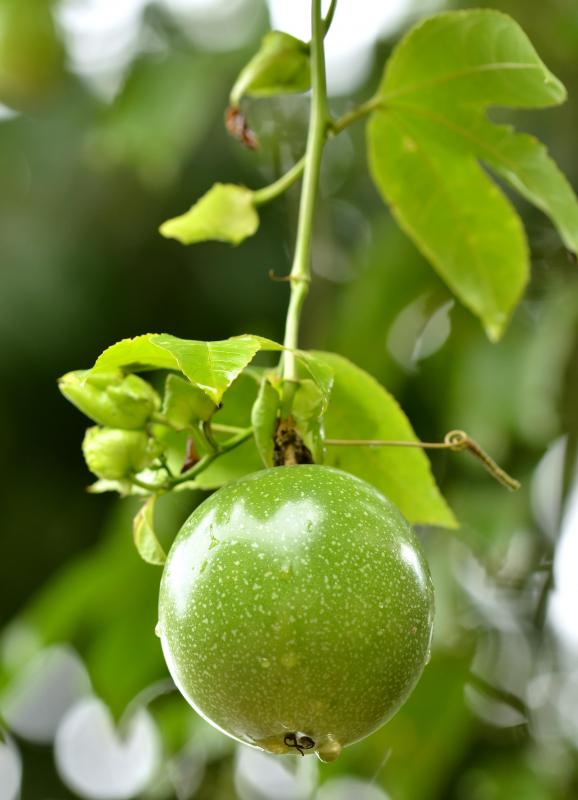
![Passion fruit growing on the tree.]()
Passion fruit growing on the tree. -
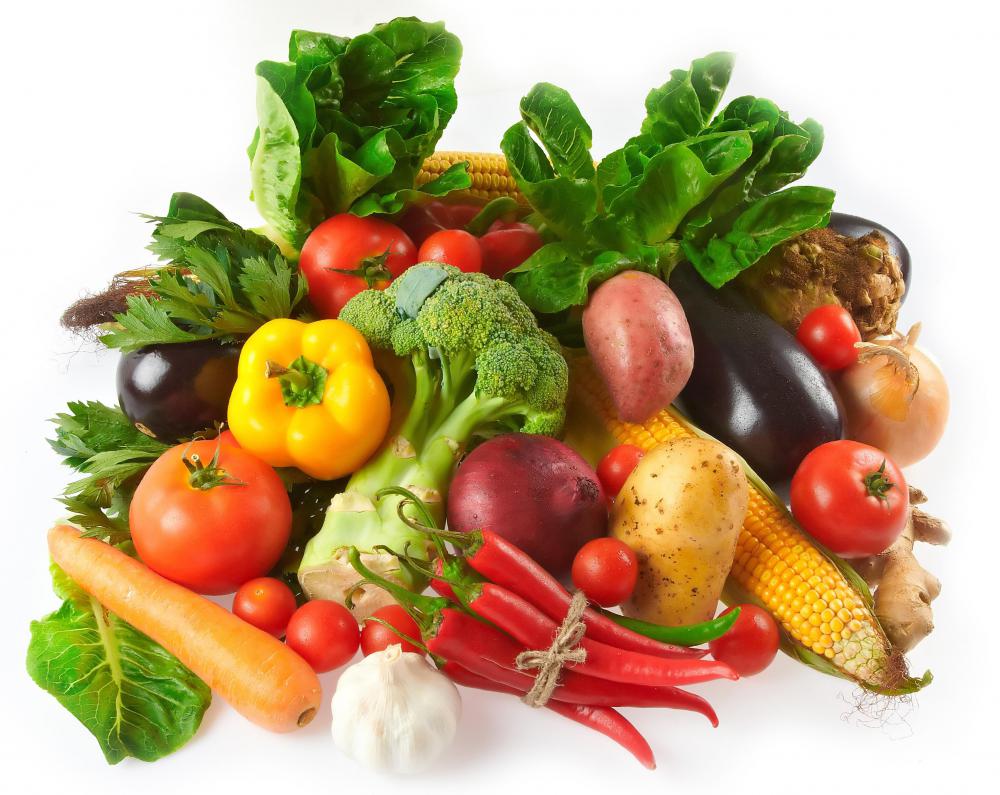
![Seedless vegetables.]() By: Ovidiu IordachiSeedless vegetables.
By: Ovidiu IordachiSeedless vegetables.


Discussion Comments
News flash for seedless fans! Nature needs no help. Greed and "convenience" are causing degeneration among us. Just learn how to eat regular food, as has been done for thousands of years. It may take a few minutes longer.
@lighth0se33 – I'm not aware of any seedless strawberry plants. The funny thing is that strawberries produce runners on top of the ground, so I don't believe they even need to make seed in order to spread.
It's the same story with blackberry bushes. These little berries are just full of seed, but they spread by underground. I once tried to transplant a little bush, but I found that its roots were connected to the other plants, and I had to cut through the root like it was an umbilical cord.
The plant only survived for a few weeks. I watered it, gave it plenty of sun, and even fertilized it, but it was doomed.
Is there such a thing as a seedless strawberry plant? I know that strawberries are normally covered in seeds on the outside, but I'm curious about whether anyone has tried to make a version that doesn't have these seeds.
@sunshined -- I have found the same thing when it comes to grapes. My kids love grapes that are seedless, but I think the sweetest grapes are the ones with seeds in them. I don't buy them very often because I am the only one in my family who goes to the trouble of eating them.
It is a lot easier to pop a grape in your mouth and not worry about biting down on a seed. I also feel like I get a little bit more for my money with seedless grapes. If I am craving a really sweet tasting grape though, I will buy a small bunch of seeded grapes just for myself.
I like seedless watermelon, as far as not messing with all the seeds, but I have never found a variety that is quite as sweet as the watermelon that has seeds.
I am sure there are probably some really sweet varieties of seedless watermelon out there, but I have been a little disappointed in the ones I have tried.
It sure sounds like there is a lot of science behind breeding seedless fruits and vegetables. If I want to grow seedless fruit like watermelon, I just look for the seed packets that are for the seedless variety. I have never tried doing any of the propagating myself.
@purplespark: Fortunately, grapes are very adaptable and can grow in a large range of conditions and soil types. The ideal spot would be a good sunny location that gets plenty of air circulation.
It is optimal to build a sturdy trellis for the vines to grow on.
@purplespark: As the article stated, grafting is how most seedless fruits are grown. It sounds like a complicated process but it’s really fairly simple. We started growing grapes about five years ago and it has truly been delightful!
You need the pollen of a seedless grape and then flowers of a seeded grape to start off. There are several websites that show step-by-step methods of grafting much better than I can explain it but it works great.
Seedless grapes are self-pollinating and grow well in most parts of the country.
I have been wanting to grow seedless grapes but I'm not really even sure where to start. Does anyone have any tips on how to start growing them?
Post your comments