
At WiseGEEK, we're committed to delivering accurate, trustworthy information. Our expert-authored content is rigorously fact-checked and sourced from credible authorities. Discover how we uphold the highest standards in providing you with reliable knowledge.
How are Magnets Used to Improve Health?
Magnetic therapy is a form of alternative medicine that has been practiced in the East for over a century. Some ancient civilizations, including the Egyptians, Indians, and Greeks, used magnets as part of amulets and to promote self-healing. According to the theory, they can be applied to certain parts of the body to relieve pain, reduce inflammation, and help the body recover from injuries. When applied near or against the skin, magnets can theoretically also help with muscle relaxation and fluid retention.
While there is a lot of controversy surrounding the use of magnets, some preliminary research indicates that they can be beneficial to treat chronic back pain, fibromyalgia, and rheumatoid arthritis pain. Since magnets are supposed to work by emitting a magnetic field that affects the body at the cellular level, some health practitioners use them to speed up the healing of fractured bones. Critics of magnetic therapy claim that the lack of research in the topic shows that there is no real proof that it is a useful means of treatment.

The smallest magnets in use are ones incorporated into jewelry, shoe inserts, and wrist supports. Larger sets can be woven into mattresses or massage pads. Besides helping with pains, they are said to improve circulation and help with insomnia, so they are widely used in sleep pads and pillows. Some companies are now selling magnetic dog and cat collars for animals suffering from arthritis and joint pain.

Magnets should not be used by anyone who has a pacemaker or insulin pump implanted. Doctors also recommend pregnant women to avoid them, as they may have an influence on blood flow and coagulation. People with serious medical conditions should not use magnets as the only method of treatment.
For those wishing to try the health effects of magnets, it may be wise to consult a magnetic therapist, who is trained to know where exactly to place them and which strength to use for different conditions. If someone is unsure of what to expect, he or she should consult a health practitioner.
AS FEATURED ON:
AS FEATURED ON:









-
![Magnets may be used to treat chronic back pain.]() By: Tatyana GladskihMagnets may be used to treat chronic back pain.
By: Tatyana GladskihMagnets may be used to treat chronic back pain. -
![Magnets are widely used in pillows.]() By: ElenathewiseMagnets are widely used in pillows.
By: ElenathewiseMagnets are widely used in pillows. -
![Pregnant women should avoid magnets as a treatment method.]() By: pedrosalaPregnant women should avoid magnets as a treatment method.
By: pedrosalaPregnant women should avoid magnets as a treatment method. -
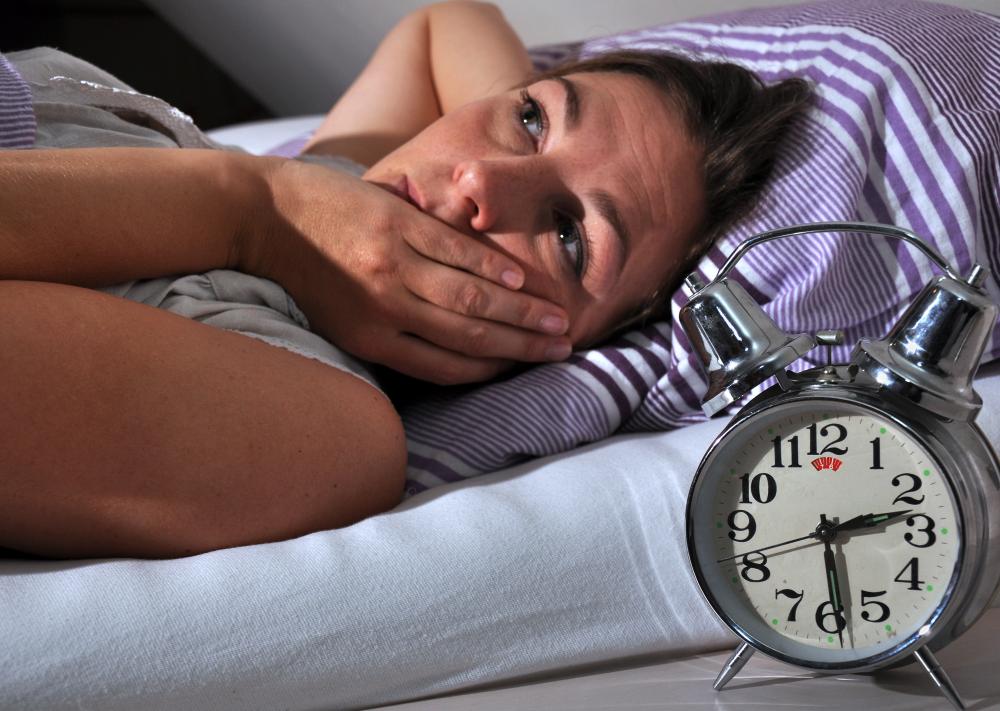
![Some people say that magnets help with their insomnia.]() By: Dan RaceSome people say that magnets help with their insomnia.
By: Dan RaceSome people say that magnets help with their insomnia. -
![Patients can consult a doctor for counsel or referrals to magnetic health therapists.]() By: Syda ProductionsPatients can consult a doctor for counsel or referrals to magnetic health therapists.
By: Syda ProductionsPatients can consult a doctor for counsel or referrals to magnetic health therapists. -
![Magnets may help to relieve wrist pain.]() By: Africa StudioMagnets may help to relieve wrist pain.
By: Africa StudioMagnets may help to relieve wrist pain. -
![Preliminary research indicates that magnetic therapy may be beneficial for treating rheumatoid arthritis pain.]() By: FentonPreliminary research indicates that magnetic therapy may be beneficial for treating rheumatoid arthritis pain.
By: FentonPreliminary research indicates that magnetic therapy may be beneficial for treating rheumatoid arthritis pain.





Discussion Comments
Actually, they have. There are health studies out there.
The Arthritis Society and ADHD Society all tried magnets and found that they work. Doctors around the world agree that they work. There are even before and after pictures of red blood cells to show the effect. What the medical community cannot agree on is exactly how they work.
So if you can physically see the effect that the magnets have on the blood, just because you can't actually describe how it works doesn't mean to say that it hasn't worked. And you need to wear the magnet constantly to keep up the effect. It takes about three weeks to work on the blood, but there have been immediate effects with lots of people. I can take someone with swelling and reduce it within minutes just by holding a strong magnet. The proof is in the results.
Relief from discomfort/pain is important to a person who has suffered for a long time. Whether it is achieved via magnets or howling at the wind is not important. There is a lot we do not know about the magnetic intricacies that are at play in our body. Fact remains that magnets are a non-invasive way to treat pain.
Whether the effect is placebo or real, the person does get relief. At least magnets do not carry the scores of side effects of prescription drugs. So I would rather do magnets than meds.
It is about time we took some responsibility for our own health. I do believe that doctors know about the human body. But we know our body better. So give magnets a fair shake.
tried a magnet today, and my balance immediately improved which made no sense. I tried it several times and every time my balance was noticeably better than without. Now the pulling and tugging to try and throw off my balance i do believe was an illusion of sorts, however the balance was better. Even when I placed the bracelet in my pocket, i noticed the difference. And no, I did not buy one.
Much of the body's activity and processes involve electron flow - oxidation/reduction. Basic physics show us there is a link between magnetism and electricity. I find it conceivable that magnets could influence body electrical patterns, which in turn would affect body chemistry. The proof is another matter.
To those people decrying 'western' medicine or claiming that it must work because it worked for them, how do magnets work on the human body?
I understand how how Ibuprofen works on the body, but how does a magnet in a necklace improve recovery? Think before you speak!
The 'M' in MRI stands for magnetic and it is very powerful, but it does not appear to have any long lasting effects.
How do you counter the charge of pseudoscience?
I have the same symptoms as anon 70919. Yesterday, I bought a crystal and magnet necklace, purely because I liked it. I then remembered that magnets are supposed to have healing properties and entered this website.
Having read some of the comments, I wound the necklace round my neck instead of leaving it as one long strand and felt the difference almost immediately! The aching feeling in my neck has, thank G-d,disappeared. I hope it continues.
By the way, anon 8714 if something doesn't work for you it doesn't mean it doesn't work for someone else. Whether there is a conceivable mechanism or not, the point is that people are getting relief. Please don't knock it.
each to their own health, but if you don't try it, you'll never know it !
I had bad, and at any time, back and neck pain. first thing in the morning, I was stiff and tired by 3 p.m. this has been going on for eight years. I had long term damage, and the only treatment was "steroids" -- so said my consultant.
I came across magnets at a health fair. The stall was packed and I listened, i liked what i heard and bought two bracelets.
I drank plenty of water, like the lady said. i was sick for four days - no energy, and had to drink a liter of water every hour. the thirst was unbelievable. But now, the pain, lack of energy -- all gone! the four days were worth it.
Magnets unstick your symptoms. try them, and enjoy a pain free life.
I have had pain in my hands and joints for several months making it difficult to do my work in my vocation.
I decided to experiment with magnets placed over the painful areas. Within two days I experienced substantial relief. I don't care what medical studies say. I wasn't "expecting" relief, just experimenting.
I have more confidence in what my own senses tell me than in the medical studies. If it works, why argue about it?
right anon8714. And the geniuses in Columbus' time said he would fall off the edge of the earth! Just because your conventional body of knowledge doesn't and can't explain things does it mean they are not true.
The west has thought it knows all things necessary but is now falling in rank whereas the east is rising. The west is now learning from the east. Don't you know they also said heavier than air flight is impossible?
A great deal more attention should be paid to the placebo effect since it relates to the body's capacity for self-healing.
Anything works, providing the patient believes in its efficacy and personally I'd rather go to a witch doctor than have myself sliced, diced and burned or chemically altered. Nobody gets better believing they won't.
@ anon36041: have you heard of a thing called the placebo effect?
If you believe that those so called "studies" done by the medical profession are all above board you are in for chronic health issues for the rest of your life!! I have been going to specialists for 2 years with no relief and out of desperation tried magnets on my hands with relief in 1 hour!! Don't care about any studies!!
Take a pill anon8714... which is likely what you would do anyway. Unless you are a quantum physicist with knowledge the rest do not possess then please keep your nay saying to yourself. Just because it hasn't been proven yet doesn't mean it's not real. Or do you still believe the world is flat too?
Magnetic therapy is pseudoscience. Magnets have zero health benefits whatsoever. There is no conceivable mechanism under which they might act, and no reproducible studies have found that magnets provide health benefits.
Post your comments