
At TheHealthBoard, we're committed to delivering accurate, trustworthy information. Our expert-authored content is rigorously fact-checked and sourced from credible authorities. Discover how we uphold the highest standards in providing you with reliable knowledge.
Do Fiber Calories Count?
Determining whether or not fiber calories “count” is largely a matter of context. Calories are a basic unit of food energy that measure, among other things, how much burning power they provide to the body. Not all calories are equal, however. Those provided by fiber are very different from a nutritional standpoint than those provided by fats and oils, and as such they’re often treated a bit differently by dieticians and weight loss experts. Fiber is often said to aid in digestion, and sometimes actually uses energy when it comes to breaking down and processing its dense structure. Insoluble fiber is often indigestible, though it provides a number of health benefits when it comes to improving intestinal function. On one hand, fiber calories do count to the extent that they provide valuable fuel to the body and provide a range of important health benefits. According to many weight loss plans, however, these benefits mean that they don’t have to be tabulated in a daily record of calories consumed. People who are dieting are often encouraged to eat high-fiber foods in order to actually subtract calories from their daily totals.
Basics of Dietary Fiber

Fiber is a form of complex carbohydrate that is generally neither absorbed nor broken down as it passes through the human digestive system, and is often excreted in more or less its original form. There are two types of dietary fiber — soluble and insoluble — and for the purposes of counting calories, it is necessary to distinguish between the two. Soluble fiber disperses in water, which means that it can be broken down in a moist environment like the stomach. Insoluable fiber, on the other hand, generally cannot.

When soluble fiber disperses in water it often gets thick and somewhat gummy, and works to slow down digestion. This type of fiber is generally considered to contribute to caloric intake since many of its nutrients are actually absorbed. Insoluble particles are still really helpful to the digestive process, but most of their nutrients aren’t processed or consumed. Their main role is to contribute to intestinal health by helping shuttle waste out, and to give traction to stools as they pass through the bowels.
Fiber-Based Energy

The amount of raw energy people are able to get from fiber can be somewhat difficult to measure. Medical and diet experts usually estimate the total calorie count as somewhere in the range of 1.5 to 2.5 calories (kCal) per gram (6.3 to 10.5 kilojoules per gram) of fiber, but this can vary depending on the type of food and its exact properties.
Relationship to Carbohydrates

Whether fiber-based calories are included on food nutrition labels tends to vary from country to country, and often has a lot to do with how carbohydrates are identified and counted. Carbohydrates are generally simple energy sources that the body can quickly convert to fuel. Some countries do not include fiber in overall carbohydrate counts, or they may break these calories out separately. In the US, for instance, the Food and Drug Administration (FDA) does not require manufacturers to include insoluble fiber in fiber calorie counts on nutrition labels. The general practice within the US-based food industry is not to include insoluble fiber in the total carbohydrate count, but soluble fiber is usually at least tabulated.

When fiber is listed as a part of a food's total carbohydrate content, it is usually counted at 4 Calories per gram, just like all other carbs. One reason why fiber calories may be counted is because when fiber is processed, the bacteria in the large intestines ferment the fiber, producing chemicals that get absorbed by the body. In this sense, fiber can be seen as contributing to overall caloric intake.
Diet Counting Systems
Some dietitians argue that since the body doesn’t burn fiber, calories from these nutrients can be subtracted. So, take for example a breakfast cereal that has 130 calories and 9 grams of fiber per serving. If a calorie counter is subtracting his or her fiber-based calories, she'll be able to mark that meal as 94, instead of 130, calories. That's because each gram of fiber is estimated to have 4 calories.
Overall Health Benefits
Most medical experts recommend that people consume at least some dietary fiber every day, even if they aren’t dieting or looking to subtract calories from their daily intake. Fiber helps treat and prevent constipation, hemorrhoids and diverticulosis, for instance, and helps decrease blood cholesterol levels, among other things. It can also help a person feel full when he or she really is full, which can prevent over-eating — something that’s important for dieters and non-dieters alike.
Most authorities recommend that people eat about 14 grams of fiber for every 1000 calories consumed. US food nutrition labels usually note the amount fiber in a food as compared to the recommended daily intake. Generally, dietitians recommend between 25 to 35 grams of fiber a day but the proper amount can vary among people based on weight, activity levels, and other health considerations.
In most cases, the best way to obtain dietary fiber is to eat foods such as fresh fruit, vegetables, beans, and whole grains like oats. Supplements and raw fiber like bran can also be purchased in many health food stores. It’s usually important for people to drink plenty of water along with the fibrous material to help shuttle it through the digestive system.
AS FEATURED ON:
AS FEATURED ON:


-
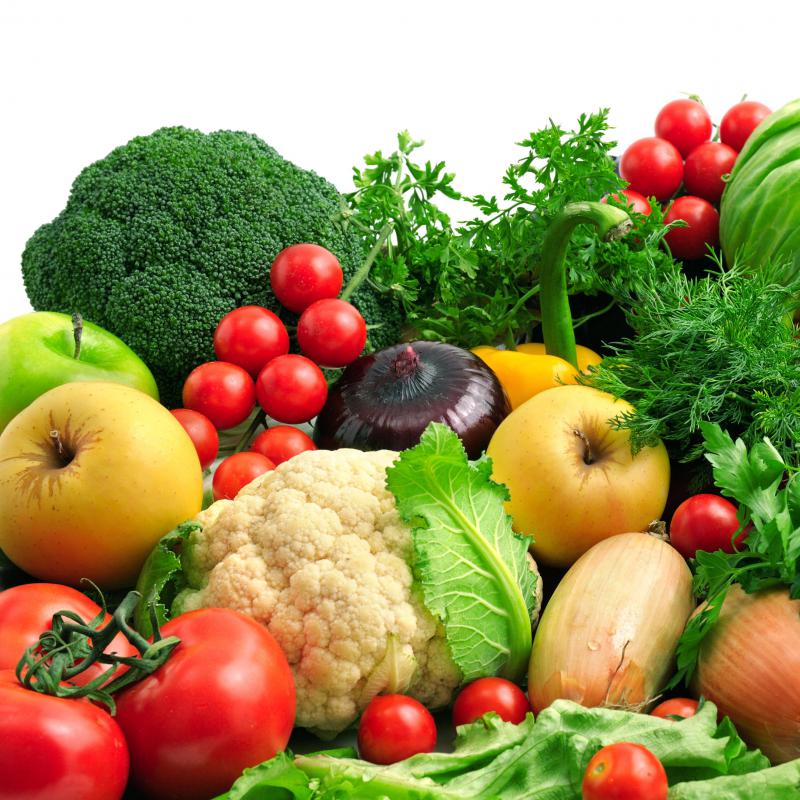
![Fruits and vegetables are good sources of fiber.]() By: Serghei VelusceacFruits and vegetables are good sources of fiber.
By: Serghei VelusceacFruits and vegetables are good sources of fiber. -
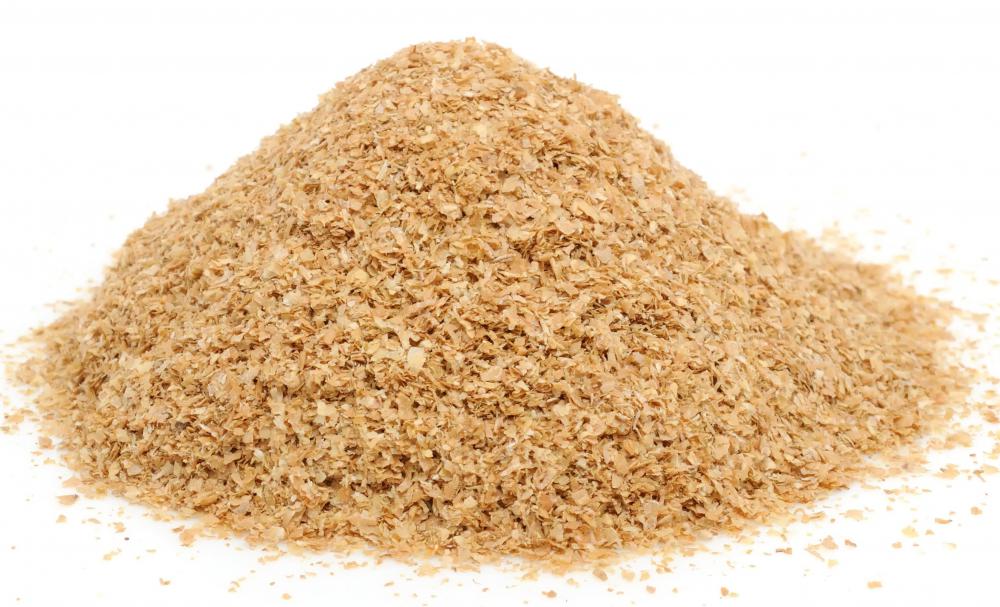
![Bran, which is high in fiber.]() By: VidadyBran, which is high in fiber.
By: VidadyBran, which is high in fiber. -
![Bananas contain a lot of soluble fiber.]() By: aris sanjayaBananas contain a lot of soluble fiber.
By: aris sanjayaBananas contain a lot of soluble fiber. -
![In general, soluble fiber contributes to the body's overall caloric intake.]() By: HalfpointIn general, soluble fiber contributes to the body's overall caloric intake.
By: HalfpointIn general, soluble fiber contributes to the body's overall caloric intake. -
![People following a fiber-rich diet should increase their daily consumption of fresh vegetables, legumes, and whole grains.]() By: Minerva StudioPeople following a fiber-rich diet should increase their daily consumption of fresh vegetables, legumes, and whole grains.
By: Minerva StudioPeople following a fiber-rich diet should increase their daily consumption of fresh vegetables, legumes, and whole grains.



Discussion Comments
I am on a strict fresh fruit and vegetable juice diet. I do my own juice with the juice machine, so how do I count my calories? and do you think I will be able to lose five pounds in that way? in one week?
Calorie counters are a great tool to help manage your weight. They help you watch and keep track of your daily calorie intake and help you have a healthy weight.
Does weight watchers count the dietary fiber or the soluble fiber when calculating points?
Thank you! This was an enormously helpful article.
Whether you count calories from fiber or not, you can be pretty confident that if you eat whole grain foods, fruit and vegetable, and legumes with a small dose of healthy fat, your weight and health will be the beneficiaries in the long run.
Post your comments