
At DelightedCooking, we're committed to delivering accurate, trustworthy information. Our expert-authored content is rigorously fact-checked and sourced from credible authorities. Discover how we uphold the highest standards in providing you with reliable knowledge.
Can People Eat Acorns?
People can definitely eat acorns, and some do, but they do typically require a certain amount of preparation in order to be palatable. The acorn is an extremely abundant nut, but most people rarely consider it as a potential source of food. For some, this may be because of the strong flavor, while others tend to associate them with the food of squirrels and other rodents. Some cuisines have relied on acorns as a staple for centuries, however, and survivalists often praise them for being easy to find and dense in calories. The acorn is particularly valued in the cuisines of some North American indigenous peoples and in Korea.
Raw Acorns

It isn’t the best idea to eat acorns straight off the ground, the way a chipmunk might. Raw acorns contain high concentrations of tannic acid, so their taste is bitter, and they can be toxic to humans if eaten in large quantities. Even the animals that eat acorns raw often find the tannins to be irritating; for this reason, few animals eat acorns exclusively, and some acorn-eaters allow the nuts to soak in water before they consume them. On the other hand, raw acorns can be stored for months without spoiling; this dramatically increases their value as a food resource.
How to Choose a Good Acorn

People should look for acorns in autumn, and always choose ripe acorns that have fallen from the tree of their own accord, or which fall readily with a light tap. Green acorns should be discarded. The thick barky cap that connects to the stem should still be in place, and there should be no holes in the shell, a sign of worms or insect infestation. Almost any type of acorn can be edible, though some varieties, such as the Emory oak and the Oregon White oak, have a lower tannin content than others, making them more desirable and easier to prepare. By comparison, the Black oak often produces nuts that are extremely bitter, and which may require lengthy processing.
Preparing Acorns for Consumption

Processing acorns removes the tannic acid, which removes issues related to toxicity or stomach irritation, and makes them palatable. Native Americans blanched the tannins from acorns by putting the shelled nuts in a bag, and letting the bag sit in the waters of a fast running stream. Boiling the shelled nuts repeatedly until the water no longer contains any trace of the brown tannic acid accomplishes the same thing. The acorns can then be roasted like other tree nuts.
Serving Acorns
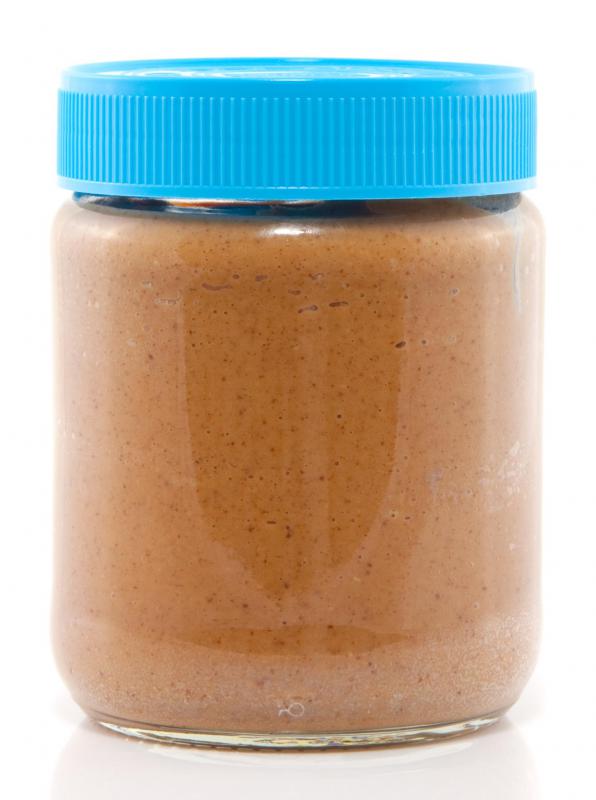
Once the tannins are gone, acorns have a sweet and mild taste. People usually eat acorns simply dried or roasted, and they can be coated with sugar to make candy. During the 19th century, when coffee prices were exorbitantly high, roughly ground acorn was used as an alternative, though its flavor has been described by some as being less than appealing. Another very common way of preparing acorns is to grind them into a very fine meal that can then be used to make breads and cakes, or employed as a thickener in liquid-based foods. It can even be made into a nutty spread that is similar to peanut or almond butter.
For someone who is just curious about what it’s like to eat acorns, a good first stop might be a Korean restaurant. In Korean culinary traditions, jellies and noodles are sometimes made of acorn starch, which is what remains when the fiber of the nut is removed during processing. Acorn starch features prominently these days only in Korean cooking, but it is a favorite part of that cuisine, and many Asian grocery markets sell it.
Acorn Oil
Another way to make acorns edible is by pressing them for oil, which makes up almost a third of the weight of some varieties. Acorn oil was used by North American hunters to attract animals, and to mask their own scent in the woods, but not for eating. The milder acorns of Europe and North Africa, by contrast, can produce an oil that is similar in some ways to olive oil, and which some consider to be a delicacy.
Dietary Benefits
Acorns provide several notable benefits to those who eat them. Like most nuts, they are a dense food. They are not as high in fat as some other nuts, however, but are heavily fortified with complex carbohydrates and contain many vitamins and minerals. Some studies even show them to have properties that may help control blood sugar levels.
AS FEATURED ON:
AS FEATURED ON:


-
![Green acorns are not yet ripe enough for human consumption.]() By: Denis JunkerGreen acorns are not yet ripe enough for human consumption.
By: Denis JunkerGreen acorns are not yet ripe enough for human consumption. -
![Acorn butter.]() By: SanderAcorn butter.
By: SanderAcorn butter. -
![Processing acorns helps reduce the risk of toxicity or stomach irritation.]() By: Artem FurmanProcessing acorns helps reduce the risk of toxicity or stomach irritation.
By: Artem FurmanProcessing acorns helps reduce the risk of toxicity or stomach irritation.


Discussion Comments
My acorns fall into my salted pool as it over hangs the pool. I have noticed the acorns have swollen and are black. Presumably the acorns are ready to eat. The acorns are now "washed"?
I would love to see what acorns taste like. I have two oak trees bordering my property but have never gathered up the acorns. Now I am curious to try this just to see what they taste like. I love eating almond and sunflower seed butter, so see no reason why acorn butter wouldn't be good as well.
I have heard it is beneficial to soak most of your nuts in water before eating them. This isn't hard to do since all you have to do is cover them with water for a few hours. The problem is remembering to do it. There is something about the acid in the nuts that is hard on your stomach if you don't soak them.
I don't usually soak my nuts and have not had any stomach problems when I eat them. It sounds like with acorns you definitely would need to soak them since the tannic acid content is so high.
There are three big oak trees outside my home office window. These are across the fence from my place and sit on my neighbor's property. In the winter I watch the deer come and eat the acorns that have dropped from the tree.
One winter when we had ice for much of the winter, you could see them pawing at the ground to break up the ice so they could get to the acorns. I also enjoy watching the squirrels scurrying about gathering the nuts.
Until reading this article I never realized that people also ate acorns. I had never thought about this since all I had ever seen was animals eating them. It does make sense when you think about it. I love to eat walnuts and the squirrels love to gather them too.
@anon299876 -- I agree with you, and think it sounds like a lot of work to process acorns so they are edible. I like just about any kind of nut, but have never had the opportunity to try acorns before. I wouldn't mind seeing what they tasted like, but sure don't want to go to all that trouble to process them.
After reading these post about eating acorns, I think I will stick to eating normal nuts!
I believe acorns are the root of most of my success in treating my E.D.
i love collecting acorns, but i tried to eat one once. the shell hurt my mouth.
Dear Anon 111090: what evidence do you have that eating acorns destroys brain cells?
Eating 1/2 of an acorn usually contributes to significant loss of brain cells. I rest my case.
I ate half an acorn and now I have a big pain in my liver.
when one presses the oil where does the tannic acid go, into the oil or the meal?
I leach out tannins by placing the shelled acorns in a mess bag and dropping them into the toilet tank for a week. the water gets changed every time we flush. The toilet does double duty.
Mmmm. Acorn pancakes, yum!
Post your comments