
At TheHealthBoard, we're committed to delivering accurate, trustworthy information. Our expert-authored content is rigorously fact-checked and sourced from credible authorities. Discover how we uphold the highest standards in providing you with reliable knowledge.
Are Thyroid Problems Genetic?
 Tricia Christensen
Tricia Christensen
Tricia Christensen
Answering the question as to whether thyroid problems are genetic is challenging. There is very little clear direct evidence that such problems are inherited, and in some instances, other things outside of the genes may cause problems with thyroid production. What is fairly clear is that problems do often occur in families, and not just in human families, but also sometimes in certain dog breeds.
Thyroid problems include a wide range of medical conditions, but generally include the gland making too much thyroid hormone, called hyperthyroidism, or too little, which is called hypothyroidism. More or less than normal production can be linked to a variety of factors, and two autoimmune diseases can severely affect thyroid production. People with Graves' disease may have hyperthyroidism, for example, and those with Hashimoto thyroiditis may have hypothyroidism. Not all people with abnormal levels have one these diseases, however.

What isn’t clear is whether anyone who inherits a predisposition for thyroid issues will necessarily have them. Some people with strongly family history don’t end up with problems and others with minimal family history do. Of course, there are many people who have high or low thyroid levels and who never get tested or never pass on this information to family members. There is evidence that some people test slightly high or low but don’t get treatment.

Even with conditions like Graves' disease or Hashimoto thyroiditis, inheritance isn’t always clear cut. It isn’t unusual to see a whole family with Hashimoto thyroiditis, for example, but whether each affected member will pass this condition on to her children isn’t so obvious. The answer is that children may inherit the condition and may not. Since there does seem to be some links between thyroid problems and family history, it’s a good idea for individuals to know if they have this history.

People who know that they have a family history of thyroid problems should probably get checked to see if they have low or high levels of hormones. Individuals may need to be rechecked every year or two to make sure they haven’t developed a problem. It’s also important for women to get checked after having a child because there is some link between deteriorating thyroid levels after pregnancy. Women over the age of 50 are most at risk for hypothyroidism and may develop it at a later age, even if they haven’t had problems in the past.
Tricia Christensen
Tricia has a Literature degree from Sonoma State University and has been a frequent TheHealthBoard contributor for many years. She is especially passionate about reading and writing, although her other interests include medicine, art, film, history, politics, ethics, and religion. Tricia lives in Northern California and is currently working on her first novel.
Learn more...
Tricia Christensen
Tricia has a Literature degree from Sonoma State University and has been a frequent TheHealthBoard contributor for many years. She is especially passionate about reading and writing, although her other interests include medicine, art, film, history, politics, ethics, and religion. Tricia lives in Northern California and is currently working on her first novel.
Learn more...AS FEATURED ON:
AS FEATURED ON:


-
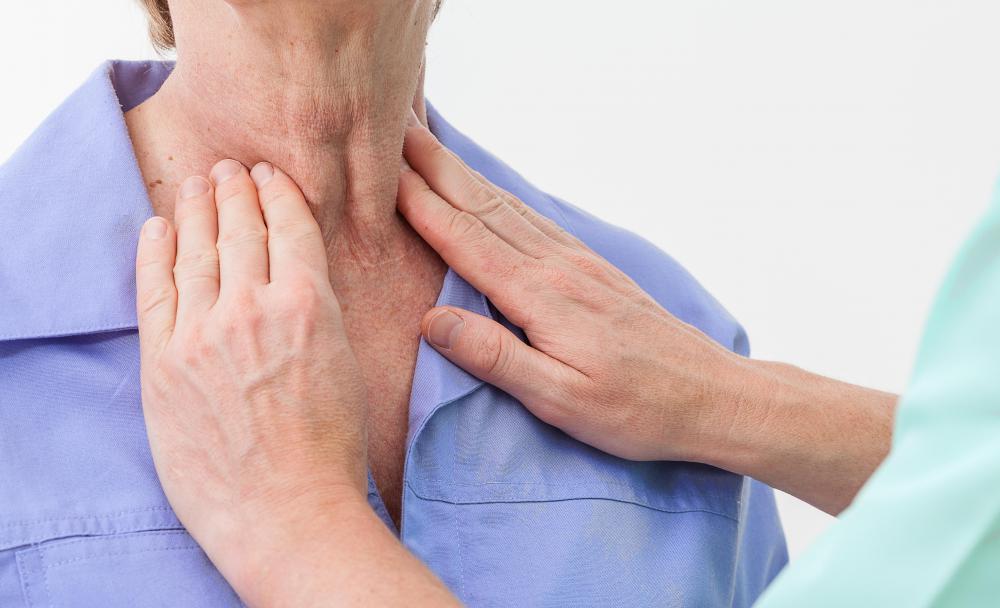
![A physician feeling a patient's thyroid.]() By: Photographee.euA physician feeling a patient's thyroid.
By: Photographee.euA physician feeling a patient's thyroid. -
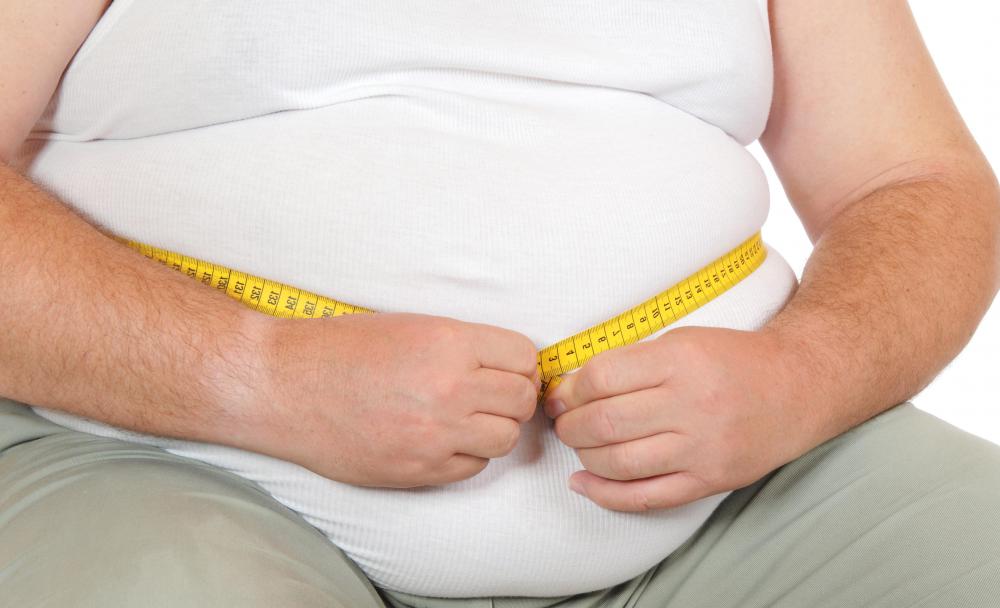
![Weight gain may be a symptom of hypothyroidism.]() By: PeJoWeight gain may be a symptom of hypothyroidism.
By: PeJoWeight gain may be a symptom of hypothyroidism. -
![It is unclear whether anyone who inherits a predisposition for thyroid issues will have them.]() By: reinegIt is unclear whether anyone who inherits a predisposition for thyroid issues will have them.
By: reinegIt is unclear whether anyone who inherits a predisposition for thyroid issues will have them. -
![Thyroid problems include a wide range of medical conditions.]() By: lom123Thyroid problems include a wide range of medical conditions.
By: lom123Thyroid problems include a wide range of medical conditions. -
![Located in the front of the neck, the thyroid gland produces hormones that regulate blood pressure, body temperature, heart rate, and the body's metabolism.]() By: p6m5Located in the front of the neck, the thyroid gland produces hormones that regulate blood pressure, body temperature, heart rate, and the body's metabolism.
By: p6m5Located in the front of the neck, the thyroid gland produces hormones that regulate blood pressure, body temperature, heart rate, and the body's metabolism. -
![Children suffering from hyperthyroidism may experience muscular weakness and anxiety.]() By: ivolodinaChildren suffering from hyperthyroidism may experience muscular weakness and anxiety.
By: ivolodinaChildren suffering from hyperthyroidism may experience muscular weakness and anxiety. -
![Women over the age of 50 are most at risk for hypothyroidism.]() By: auremarWomen over the age of 50 are most at risk for hypothyroidism.
By: auremarWomen over the age of 50 are most at risk for hypothyroidism.


Discussion Comments
My mother struggled with chronic hypothyroidism her entire adult
life, as does my sister. I have been sub-clinical hypothyroid since childhood. In middle age, my hypothyroidism became severe. A genetic test revealed that I inherited a gene for low T4 production and a gene for poor/low conversion of T4 to T3. I don’t have Hashimotos, as confirmed by blood tests. My thyroid problems are indeed caused by faulty genes!!
Bhutan-I also heard that the thyroid problems diet should consist of lean protein and high fiber foods.
Feeling tired and gaining weight despite moderate eating are really symptoms of thyroid problems.
In addition many women experience rougher skin and tend to lose more of their hair. Some women even experience high menstrual flows, constipation, and irritability. They also experience sensitivity to cold as well.
Anon116759-Underactive thyroid problems are very frustrating, but if your children develop the condition there will probably so many medical advances at they might be able to treat the condition easily.
My sister has low thyroid problems and she was having a lot of difficulty trying to lose weight until she met with an endocrinologist.
She is now taking thyroid medication and has lost thirty pounds. The doctor also gives her vitamin B shots in order to boost her metabolism and energy level.
She also had to change the foods that she eats. She has to limit foods that have a high glycemic rating like pasta, white bread, and sugary foods. She exercises daily in the morning which helps keeps her metabolic level high and eventually loses weight.
It is a frustrating condition because without treatment you feel so tired all of the time.
I have hypothyroidism and it was painful to think that my kids would have hypothyroidism. Thanks for the article.
Post your comments