
At DelightedCooking, we're committed to delivering accurate, trustworthy information. Our expert-authored content is rigorously fact-checked and sourced from credible authorities. Discover how we uphold the highest standards in providing you with reliable knowledge.
Are Frozen Vegetables Less Nutritious Than Fresh?
Many people believe that frozen vegetables are less nutritious than fresh vegetables, since foods which have been processed are often less nutritious than ones that have not been. That said, it appears that frozen vegetables are at least as nutritious as fresh ones — and in some situations, they may actually be more nutritious.
Part of the confusion probably arises from the fact that vegetables lose much of their nutritional value when certain preparation techniques are used. Proponents of a raw food diet will discourse at length about the health benefits of eating vegetables that haven’t been heated past a certain temperature. Canned foods are often less nutritious than fresh, because they are cooked for a very long time, and then often packaged with a great deal of salt. Vegetables to be frozen, however, are not heated and so do not undergo the same denaturing of proteins or loss of vitamins in waste water.

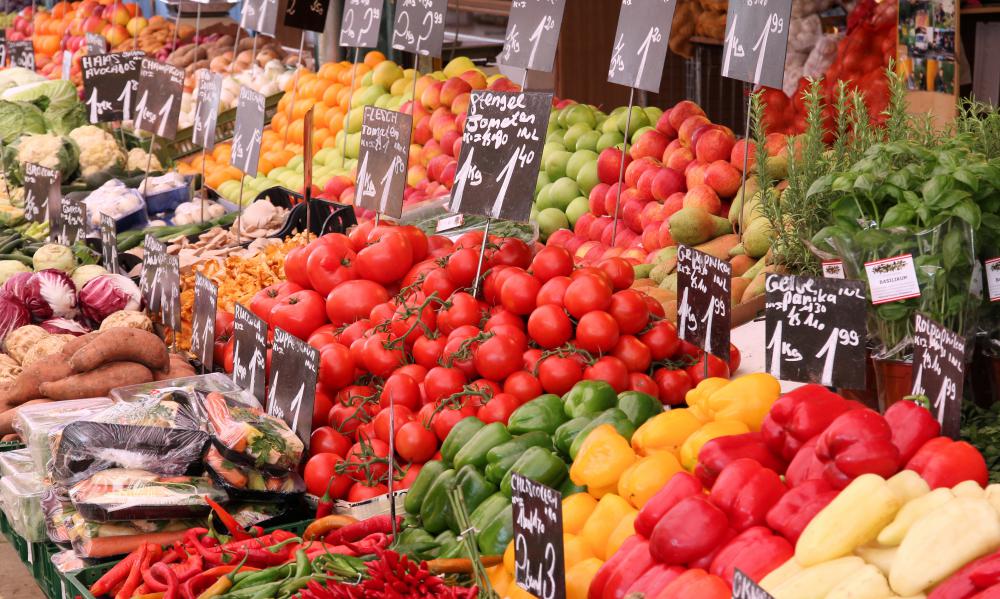
The term “fresh vegetables” needs to be looked at a bit closer to determine whether frozen vegetables might actually even be more nutritious. Truly fresh vegetables, of course, are those that a person picks out of his own garden, or are perhaps purchased at a farmer’s market the day they’ve been harvested. These vegetables are ideally picked at the peak of their freshness, and if a cook prepares them that evening, they will be full of minerals and vitamins.

When most people talk about fresh vegetables, however, they mean vegetables purchased at their nearby supermarket, an aisle or two away from the frozen foods. These vegetables aren’t nearly as fresh as those from a person's own garden. In many cases, they’ve spent days or weeks in transit, and then some time in the produce aisle. Over that time, vitamins and minerals have leeched out, and by the time a cook buys and prepares them, they are often far from their peak ripeness.

Frozen vegetables have usually been picked at the peak of their ripeness and immediately flash frozen. As a result, all of the minerals and vitamins are locked in, ready for the consumer's benefit. This means that in some cases, these vegetables might be more nutritious than those purchased from the produce aisle that have been sitting for weeks. They may also have the outer cellulose layer already broken as a result of the freezing, making it easier for the body to digest them.

There are some things that may make frozen vegetables less nutritious than fresh, however. Shoppers should avoid products that have sugar or salt added — good ones should just have the vegetables listed in the ingredients. Also, cooks must take care that they don’t leech out the good nutrients by boiling the vegetables for a long time — the less produce is boiled, in general, the more vital ingredients it will retain.

When chosen thoughtfully, vegetables that have been flash frozen are no less nutritious than fresh. Of course, fresh vegetables usually have much richer flavors, and most people find the texture preferable. When these considerations don't bother the eater, however, and he prefers the convenience of frozen products, nutritional issues shouldn't be a concern.
AS FEATURED ON:
AS FEATURED ON:


-
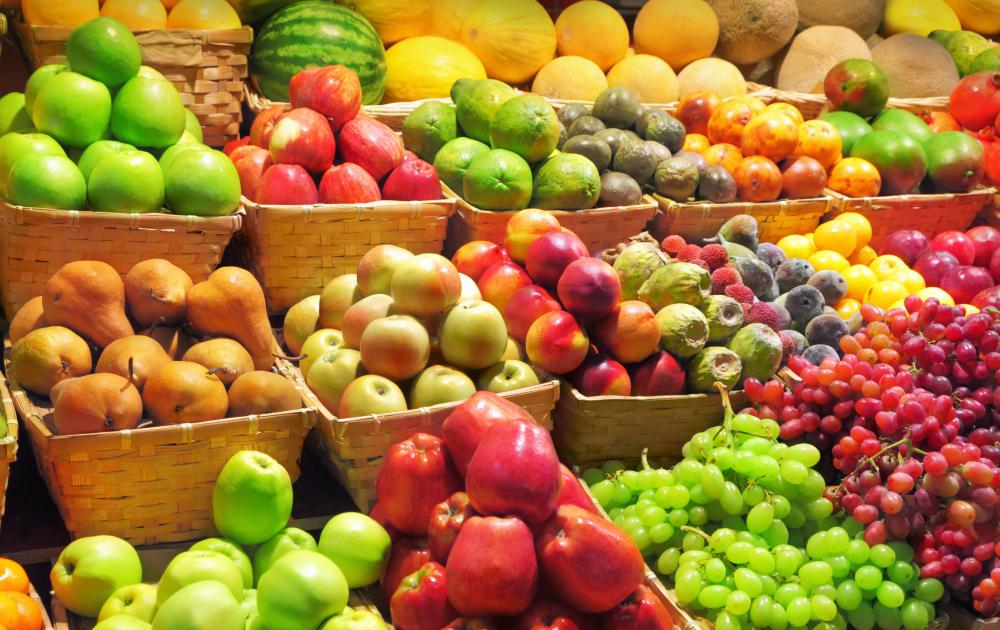
![Frozen foods may actually be more fresh and nutritious than those found in the produce section.]() By: adisaFrozen foods may actually be more fresh and nutritious than those found in the produce section.
By: adisaFrozen foods may actually be more fresh and nutritious than those found in the produce section. -
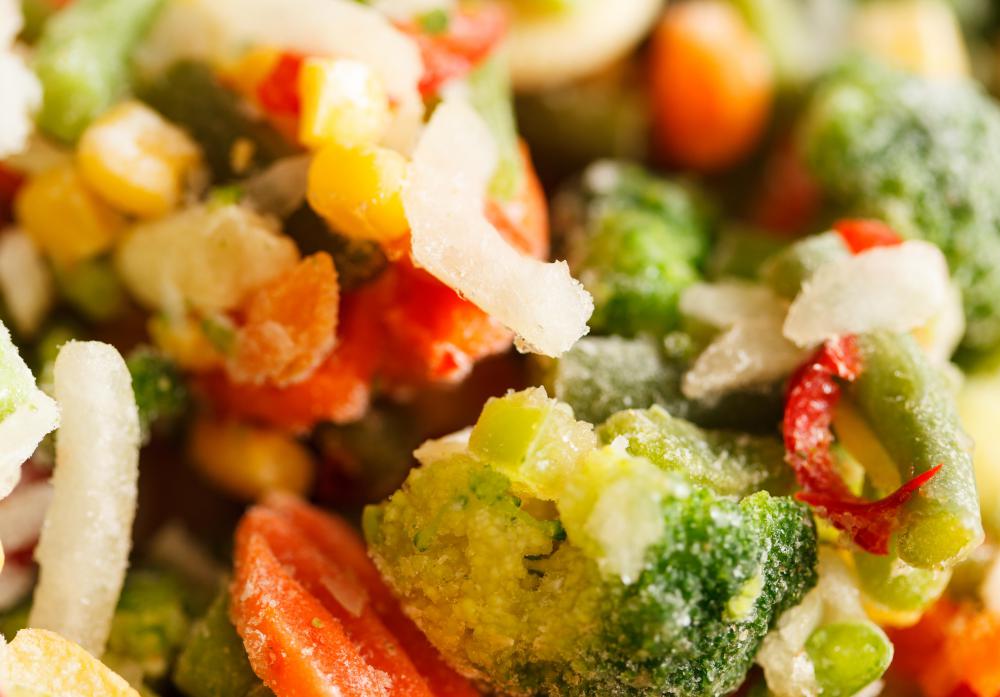
![Frozen foods can retain their nutritional value for up to one year, whereas fresh vegetables cannot.]() By: adisaFrozen foods can retain their nutritional value for up to one year, whereas fresh vegetables cannot.
By: adisaFrozen foods can retain their nutritional value for up to one year, whereas fresh vegetables cannot. -
![Frozen vegetables can have more minerals and vitamins than fresh vegetables from a grocery store.]() By: Maksim ShebekoFrozen vegetables can have more minerals and vitamins than fresh vegetables from a grocery store.
By: Maksim ShebekoFrozen vegetables can have more minerals and vitamins than fresh vegetables from a grocery store. -
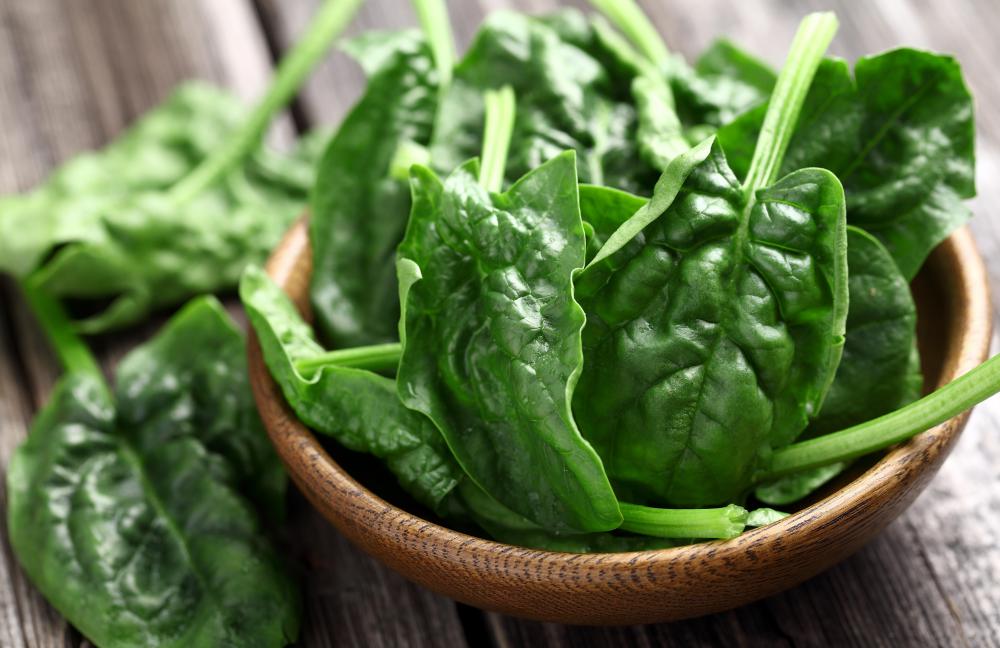
![Vegetables picked and cooked at their peak are highly nutritious.]() By: DionisveraVegetables picked and cooked at their peak are highly nutritious.
By: DionisveraVegetables picked and cooked at their peak are highly nutritious. -
![Vegetables should be cleaned before freezing.]() By: PhotoSGVegetables should be cleaned before freezing.
By: PhotoSGVegetables should be cleaned before freezing. -
![Boiling fresh vegetables for too long depletes them of nutrients.]() By: TupungatoBoiling fresh vegetables for too long depletes them of nutrients.
By: TupungatoBoiling fresh vegetables for too long depletes them of nutrients. -
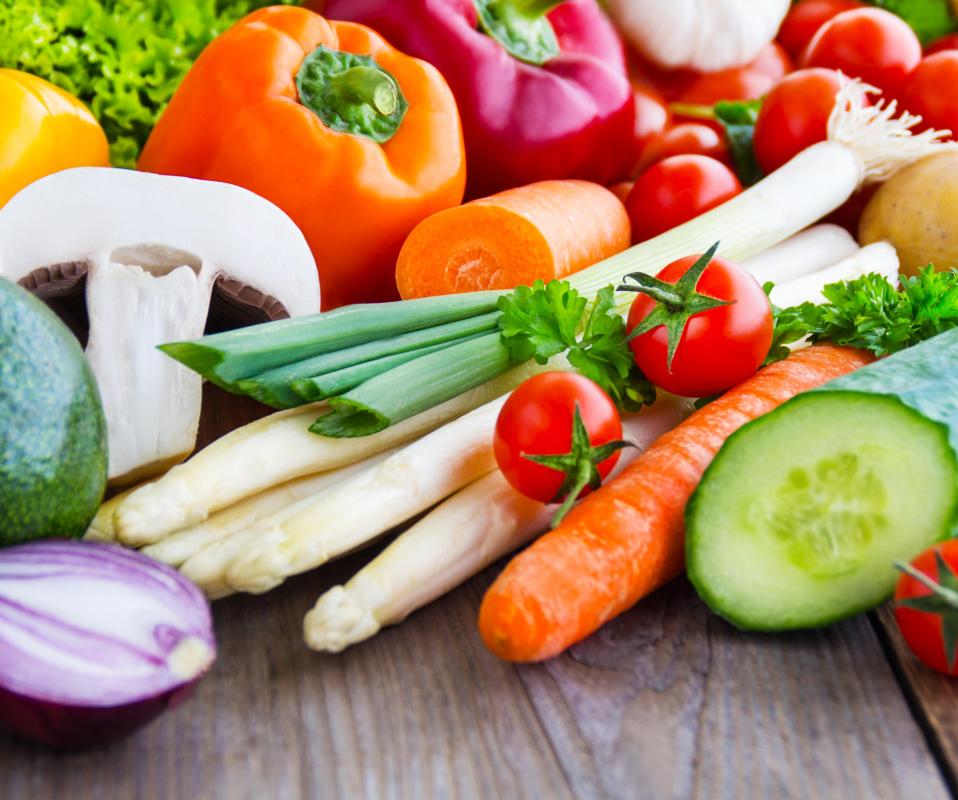
![The freshest vegetables can usually be found at a farmers market.]() By: bercThe freshest vegetables can usually be found at a farmers market.
By: bercThe freshest vegetables can usually be found at a farmers market.


Discussion Comments
@JackWhack – I've not had good experiences with steaming peas. They tend to fall through the holes in the steamer basket, unless you pour them inside a barrier made of carrots.
I still prefer boiled peas to steamed ones. When you boil them, they soak up some water and rehydrate. When you steam them, they look dehydrated afterward.
If you do boil them, only do it for a few minutes. I boil my English peas for about three minutes so that they don't start to fall apart.
The same goes for broccoli. Carrots are the only frozen vegetable that I boil for about twenty minutes, since they are so hard.
I love steaming frozen vegetables. This is the easiest way to prepare them without losing the nutrients.
I just put a bag of frozen veggies in the steamer with water beneath and let them steam for about twenty minutes. Fresh vegetables do steam in less time, but they are a lot more trouble.
I've steamed broccoli, cauliflower, zucchini and squash, and I love the natural flavors that come through. I have yet to try steaming peas, though. Does this work well or not?
The texture of frozen fruits and vegetables is kind of gross. Even if they are good for me, I still don't want to eat them.
They just get slimy when they thaw out. They turn to mush.
I am so happy to hear that frozen vegetables might be even better for me than fresh ones! Frozen food is so much more convenient than fresh food.
I have been buying fresh broccoli for awhile now, but I hate cutting the florets off and washing them before eating them. It just makes a mess, and I'm always in a hurry to eat after work.
I was thinking that frozen broccoli wouldn't be as nutritious, but since it may be even more nutritious, I'm definitely going to start buying it. I love the fact that it has already been chopped, and I'm guessing it's already been washed, too.
what about frozen fruit?
I always buy frozen vegetables because I work in the medical field and the amount of people i see come and kissing their family members who are infected with mrsa, vre,c-diff or any other very hard to get rid of bacteria is amazing.
Then the same people go to the stores and touch all the fruits and veggies makes me always want to buy frozen veggies and fruits. Also they're just easier. However what i was wondering was, how come they never really have all the nutritional info for the veggies on the back? Like, for example, for broccoli, it might say 16 percent of vitamin C per serving but we all know that broccoli has way more vitamins then that. I'm also referring to an organic bag of broccoli with no added salt or anything else.
salt is a preservative so it helps stored foods last longer. it doesn't remove nutrients from the food, but it's unhealthy if too much salt is eaten and people generally do eat too much. salt is another word for sodium.
why do frozen vegetables have salt?
I have a mixed frozen vegetable that lists its ingredients as: corn, peas, green beans, salt.
I'd like to know why salt is listed. Is it just for taste? Does it decrease the nutritional value of the vegetables?
Nutritional value aside, there is no doubt that fresh vegetables taste much better then frozen.
Cook your frozen vegetable directly from the freezer. If you thaw them first they will loose more of vitamin C than if you cook them directly from the frozen state.
Post your comments