
At WiseGEEK, we're committed to delivering accurate, trustworthy information. Our expert-authored content is rigorously fact-checked and sourced from credible authorities. Discover how we uphold the highest standards in providing you with reliable knowledge.
Are Cysts Dangerous?
 Tricia Christensen
Tricia Christensen
Tricia Christensen
Cysts are bumps that contain fluids, gas or air, and can occur on the skin, or in many different parts of the body. Most are benign, but there are some that require medical attention, as they can be dangerous. In general, a cyst may be dangerous if it affects a major organ or the breasts, if it grows particularly large, or if it ruptures.
Some of the most common locations for cysts to form in the body are on the ovaries, in the kidneys, on the esophagus, and in the pancreas. These are generally not dangerous, but they can affect the function of these organs. Most of the time a doctor will test it to make sure it's not cancerous. If it's benign — as is often the case — the doctor will keep it under careful observation. If it looks like it's going to rupture, then it will be removed.

Even in situations where a cyst isn't dangerous, it can cause problems. For instance, these structures in the esophagus are generally benign, but they can affect speaking and singing. These often have to be removed, especially for professional speakers or singers. Likewise, many people have small cysts in their kidneys and joints that typically aren't dangerous, but can cause problems if they get too large. Skin cysts are also usually not dangerous, but may be removed if they get infected or for cosmetic reasons.

One situation in which these bumps are almost always dangerous is when they form in the lungs and pancreas, which happens in those with cystic fibrosis. They can severely inhibit breathing and make people more vulnerable to lung infections. There is no cure for cystic fibrosis, but the symptoms can be treated. Ovarian bumps can be dangerous too if they get very large or rupture, as a ruptured cyst can impair fertility. Any lump in the breast that might be a cyst should be tested immediately, since it could be a cancerous lesion.

A cyst that is not dangerous in itself can still be a sign of a dangerous condition. For example, exposure to giardia often results in small cysts being passed in the stool of those infected. This parasite can actually pass on to other people through contact with the passed cyst, which protect and keep alive the giardia.
Tricia Christensen
Tricia has a Literature degree from Sonoma State University and has been a frequent WiseGEEK contributor for many years. She is especially passionate about reading and writing, although her other interests include medicine, art, film, history, politics, ethics, and religion. Tricia lives in Northern California and is currently working on her first novel.
Learn more...
Tricia Christensen
Tricia has a Literature degree from Sonoma State University and has been a frequent WiseGEEK contributor for many years. She is especially passionate about reading and writing, although her other interests include medicine, art, film, history, politics, ethics, and religion. Tricia lives in Northern California and is currently working on her first novel.
Learn more...AS FEATURED ON:
AS FEATURED ON:









-
![Cysts can be dangerous when found in the lungs.]() By: Alexandr MitiucCysts can be dangerous when found in the lungs.
By: Alexandr MitiucCysts can be dangerous when found in the lungs. -
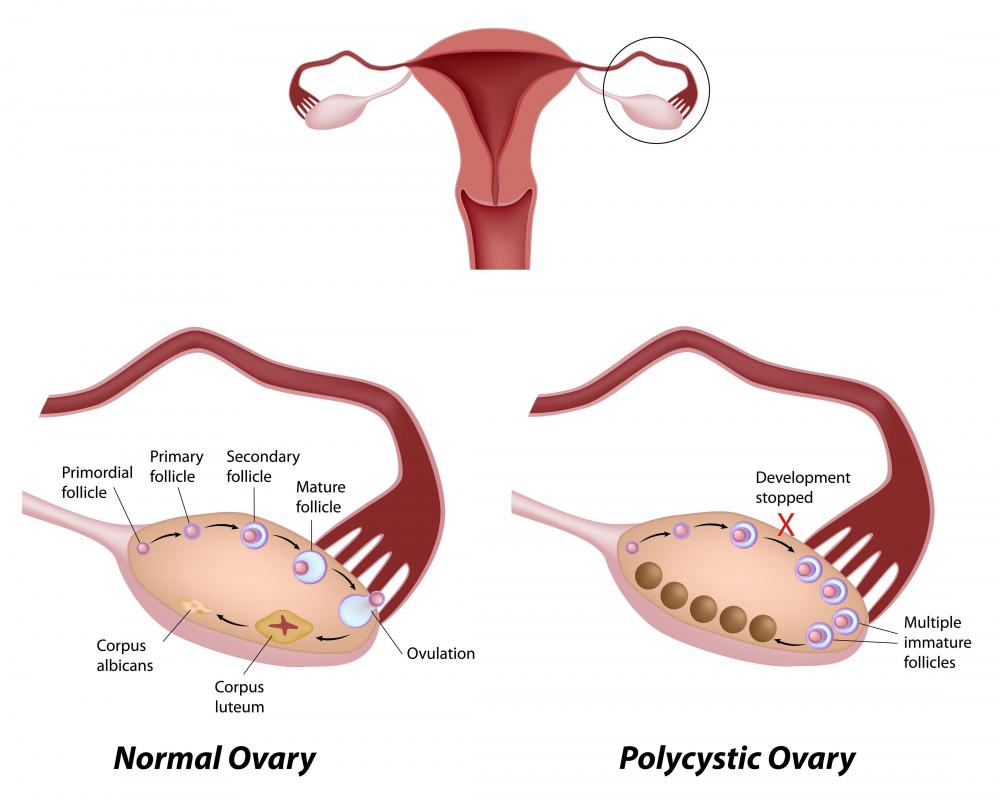
![A healthy ovary and one with cysts.]() By: AlilaA healthy ovary and one with cysts.
By: AlilaA healthy ovary and one with cysts. -
![Ovarian cysts can be serious if they grow, leak, or rupture.]() By: AllianceOvarian cysts can be serious if they grow, leak, or rupture.
By: AllianceOvarian cysts can be serious if they grow, leak, or rupture. -
![A cyst that is not dangerous in itself may be a sign of a dangerous condition.]() By: Zsolnai GergelyA cyst that is not dangerous in itself may be a sign of a dangerous condition.
By: Zsolnai GergelyA cyst that is not dangerous in itself may be a sign of a dangerous condition. -
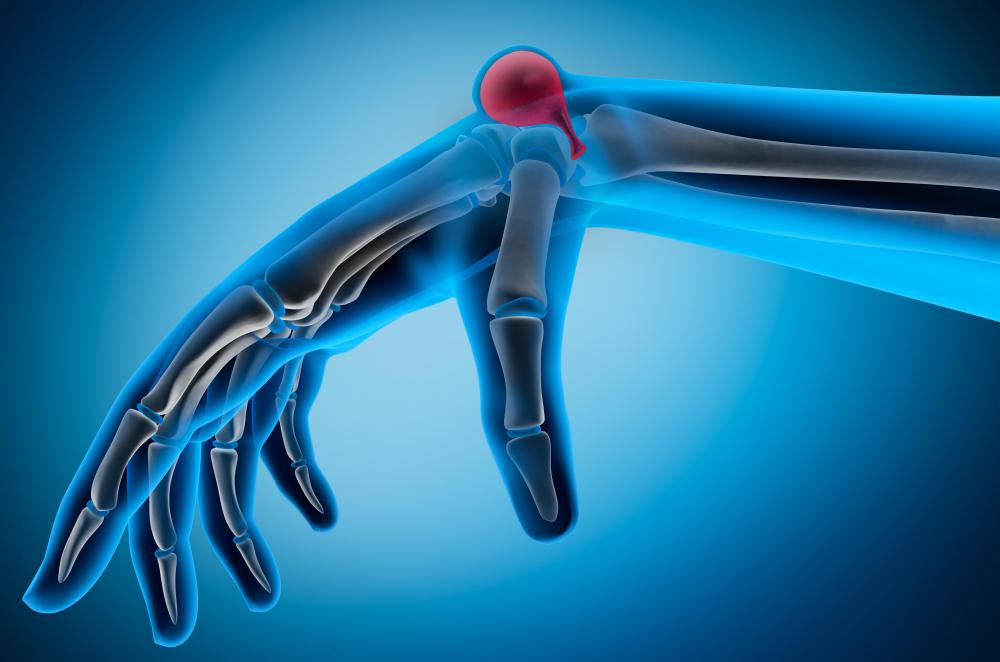
![The cause of ganglion cysts is not known, but they are more likely to affect those with osteoarthritis or previously injured tendons or joints.]() By: psdesign1The cause of ganglion cysts is not known, but they are more likely to affect those with osteoarthritis or previously injured tendons or joints.
By: psdesign1The cause of ganglion cysts is not known, but they are more likely to affect those with osteoarthritis or previously injured tendons or joints. -
![Cysts in the esophagus are generally benign, but they can affect speaking and singing.]() By: Max TacticCysts in the esophagus are generally benign, but they can affect speaking and singing.
By: Max TacticCysts in the esophagus are generally benign, but they can affect speaking and singing.




Discussion Comments
I have a cyst on the tip of my foreskin on my penis. I have had it since I was born and it has never affected me. Years ago my girlfriend was worried about it.
Now years later, since I finally got insurance, I will consult a doctor and I will probably in my 30's need a circumcision to have it removed.
Most of these cysts are benign. Internal cysts must be looked at by your doctor to prevent rupture.
Most of them will cause some discomfort, When they do, if they are very visible, giving you pain, or growing very large, you must see your doctor and get referred to have them removed. Failing this you can go private and pay about £600 to have them removed.
Due to the cost and relatively low risk of these cysts, doctors are reluctant to treat them. However as above, you will have to let them know just how much suffering it is causing you, physically and or mentally.
Hope you get sorted out soon. I've done some research, am in much the same position, and hope mine can be sorted soon too. Luck to all of you.
I am a 13 year old boy living in the Philippines.
I started on a diet from June 2012 until January 2013. During the second week of July, I started to feel a pain in my back and I felt so weak and ill. My back and my abdomen hurt. I vomited and the color was yellow.
I told my parents about my vomit and they said that the vomit was acid that came from my stomach. So my parents brought me to the hospital and I had to be admitted. Then, when I ate my dinner, I vomited again but this time, the color of my puke was green, and that was a sign that I was undergoing serious problems in my stomach.
I had a CT scan and ultrasound, and the results turned out bad. They told me that I have a cyst near my pancreas and it was about 4-5 cm. My parents were shocked and stunned at the results. The doctor told me the cyst has to be removed soon or it will grow bigger and it my burst or leak and it will affect my pancreas. So, I'm going to have my cyst removed by February.
I recently had a UGI done because I have been for about a year and a half, a problem with swallowing my food and it hurts even into my ear. The UGI showed that I have cysts that have closed the Esophagus and has my swallowing has been deferred to the wind pipe.
I have to go to the ENT clinic in February for a scope. I must tell you that I am a bit scared that it may be malignant. Has anyone else been affected by this? I did see the ENT doctor over a year and a half ago, but he said he saw nothing. Thank you for reading this. Have a blessed day. --Kat
I am 14 and I have a cyst in my left breast. It never hurt before, but now tonight all of a sudden, I can't move at all without it hurting.
I have four to five cysts on my body. i got them when I was eleven.(year older now) two behind my ear, one- two on my neck and one right behind my jaw bone. How do you get rid of these things? They hurt and I'm really getting frustrated. One day they are gone and the next they are back. Please help me.
I have had cysts on my left upper back for the last five years. I have suffering from this. It is leaking and hurting. The pain goes and comes again. Any suggestions?
I have a 3.8 common cyst on my right kidney. Will I be able to take a two-hour airplane flight?
My name is Cindy and in 2010 I, had a singing audition – the most important one of my life – and I thought I had got it and so we celebrated at a restaurant with just me and my great aunt Judy and my grandmother Joyce. And that night, I started to feel this pain in the left lower side of my body. It didn't hurt too bad, but I was scared of what it might be. I told my grandmother, but she thought it was just gas and it would go away and told me to go lie down with a pillow on it. So I did and it didn't go away and I started to get scared.
The next morning, I called back to the agency where I had had my audition (she had asked me to call her back so she could tell me what I got) and she told me I got a B, meaning she wanted me back, then she told me to wear a plain-colored shirt, flat shoes and wear my hair pulled back. So my Grandmother and I went shopping that afternoon and the pain was still there but I wasn't going to let it stop me from my dreams. The next day is when she wanted me back. So the next day came along, and it still hurt so bad but I wasn't about to tell my Grandmother and have her flipping out (I am adopted by my grandparents, in case you were wondering), and then she wouldn't let me go to my try out.
So my grandmother again picked up my great aunt Judy and we headed for the mall because we were a couple of hours early. They went on without me. I told them I was just going to practice. Then, one hour went by and suddenly I felt this burst or pop in my side, just as my great aunt and grandmother were getting in the car and I couldn't hold it in any longer. I screamed at the top of my lungs and started bawling. They got scared and went and got a mall cop and had him call me an ambulance because we didn't know the area that well. We lived two hours away from where we were.
When the ambulance got there, they loaded me into the truck and gave us directions to how to get there and I got out (I hate ambulances). When we got there, they needed two urine samples and after like three hours, I finally got them. Then they took three blood tests and a CT scan and x-rays and finally an ultrasound that all took two and a half hours. Then finally, one hour later they walked into the room and took my family outside the door and told them that I have a cyst on my left and right ovaries and they need to operate right away because the left one had started to twist my ovary and kill my tube but by the time I got into the operating room and they got in there my left ovary tube was completely black (dead) so they had to take it out but the right one was just fine!
I never made it back to my audition and they never called me. I will never forget how those stupid cysts ruined my life. I could be in California by now and be a star but no, I had to get a cyst. I finally have another audition this weekend and guess what? They think I may have another cyst. I don't want to go through that again. I'm only 14 and it's too much to handle!
my boyfriend has a cyst in his stomach and lungs. how harmful is this when someone has cancer on top of it all?
i have cysts in my arm, feet and in my stomach! is this harmful or dangerous? it is small and hard but not that painful. what do i do to get rid of them?
i have a cyst on the right side of my chest. what actions or prevention should i need to do?
I got a cyst on my head. My doctor told me not to worry too much, but to get an ultrasound. My girlfriend had one on her breast and had to get it taken out. I heard sometimes they can go away by themselves? I have had mine three months. Would I need surgery?
I have had a bump on my left arm for more than three years. I went to many doctors, took a blood test every year and ultrasounds, and X-rays, but they still haven't said anything about my arm.
A couple of days ago, i found a small bum in my armpit. i thought it was pimple because it hurts, but then today i checked it again it's getting bigger and it's not a pimple. It reminds me of how the bump on my left arm grew.
I'm very scared. I just turned 18 a couple of days ago and I could go to the doctors by myself, and don't have to bother my parents. I want to know where i can go to get a check up. I want to get rid of it as soon as possible! Thank you.
I have had an ovarian cyst for two years now. I have been to see the doctor many times and have had two ultrasounds. I am 16 years old and have not been told much about this at all. I have now found another lump on my other ovary. Sometimes I find myself in pain, bloated and have trouble going to the toilet.
I am annoyed that I haven't been given much information and think I should see a specialist for a second opinion.
I have cysts on both ovaries and lungs also my breast. The doctor told me to come back in two months and would look at them then. Should I get a second opinion or wait? I am 52 years old and have a family history of cancer.
I have a rather large cyst or bump inside my ear. It has the symptoms of being a cyst. what should i do?
I have three hard bumps, all about the size of a dime, one on my armpit, stomach and leg. what's wrong with me?
I have a cyst on my head below the skin and it is very sore. It looks as though it has yellow puss inside. What should I do?
My son has the same problem. I was told it was a clogged oil duct and the only way to treat it is to have it drained. I would go see an eye doctor.
I need help. i have a lump on the top of my eyelid where you put eyeshadow on and i mean, it doesn't hurt or annoy me but i am scared to touch it. once i did and nothing happened. is it a cyst? what should i do? can someone help? i am only 12 years old and i don't know what to do!
What causes renal cysts? I was told it is only passed down in ones family but no one has had them but me. What do I need to know about having them?
Post your comments