
At AllThingsNature, we're committed to delivering accurate, trustworthy information. Our expert-authored content is rigorously fact-checked and sourced from credible authorities. Discover how we uphold the highest standards in providing you with reliable knowledge.
Are Cut Flowers Bad for the Environment?
 Mary McMahon
Mary McMahon
Mary McMahon
Many people like to celebrate major holidays with lavish bouquets of cut flowers. As a result, the flower industry is booming, shipping hundreds of tons of them all over the world for sale in supermarkets and at florists. Consumers spend millions every year purchasing flowers and bringing them into their homes: and most consumers do not think about the environmental and social aspects of the industry. Several studies conducted in the late 1990s suggested that cut flowers had a serious environmental impact.
Most cut flowers are grown in South America, Africa, and Southeast Asia in large greenhouse environments staffed by underpaid, non-unionized workers. The greenhouses are carefully climate controlled to yield the best flowers, and they are also heavily sprayed with pesticides, fungicides, and herbicides. Because the flowers are grown in nations with more lax environmental laws, many banned substances including DDT and methyl-bromide are used in flower production. These substances have a profound impact on the health of the workers: many suffer from health problems such as skin conditions, respiratory problems, impaired vision, and birth defects thanks to their exposure to these chemicals.

In addition to hurting the workers, these chemicals are also extremely harmful for the environment. Methyl-bromide has been linked with destruction of the ozone layer, for example, while DDT usage worldwide led to serious problems for many animal and bird populations. Most greenhouses which produce cut flowers dump chemicals on their crops in large amounts. These chemicals later enter the bodies of workers, the flowers, and the ground water. Water pollution around commercial greenhouses hurts animal and fish populations and also has an impact on human life as well, by reducing the amount of drinkable water.

Once the flowers are grown, they still must be shipped to a final destination, greatly contributing to global pollution. Some cut flowers may be shipped thousands of miles, adding carbon dioxide to the atmosphere at every step of the way. At the florist, the flowers are arranged and prepared for sale, and some florists have complained of skin and other health problems as a result of prolonged contact with cut flowers. Finally, the consumer brings the flowers home, perhaps tossing them carelessly into a shopping cart laden with organic, fair trade produce and other food stuffs.

The serious environmental impact caused by the cut flower industry began to raise eyebrows in the early twenty first century, when consumer advocacy organizations began to educate people about the problems with cut flowers. Usually, stories about flowers peak around Valentine's Day, in an attempt to convince consumers to buy organic, locally raised flowers which do not carry heavy environmental impacts with them. Local seasonal flowers can be just as handsome, and even more unusual, especially when combined with other thoughtful gifts.
Frequently Asked Questions
How do cut flowers impact the environment?
Cut flowers can have a significant environmental impact due to the intensive agricultural practices involved in their cultivation. This includes high water usage, the application of pesticides and fertilizers, and the carbon footprint from transportation, especially for flowers flown in from other countries. Sustainable farming practices and local sourcing can mitigate some of these effects.
What are the carbon emissions associated with the cut flower industry?
The carbon emissions of the cut flower industry are substantial, as many flowers are grown in one part of the world and then airfreighted to another. For example, flowers grown in Kenya and flown to Europe can result in 6,000 metric tons of CO2 emissions per day during peak periods like Valentine's Day, according to research by the International Grower of the Year Awards.
Are pesticides in flower farming a concern for the environment?
Yes, pesticides used in flower farming are a significant environmental concern. They can contaminate soil and waterways, harming wildlife and disrupting ecosystems. The cut flower industry is known for its heavy use of chemicals, which can also pose health risks to farmworkers. Choosing organically grown flowers can help reduce this impact.
Does the cut flower industry use a lot of water?
The cut flower industry is indeed water-intensive. In regions where water scarcity is a problem, the cultivation of flowers for export can exacerbate the issue. For instance, it is estimated that producing one rose might consume about 5 liters of water, highlighting the need for water-efficient practices in the industry.
How can consumers make environmentally friendly choices when buying cut flowers?
Consumers can make more environmentally friendly choices by purchasing locally grown flowers to reduce transportation emissions, opting for seasonal varieties, and supporting florists who source from farms with sustainable practices. Additionally, choosing flowers certified by eco-labels or those grown organically can also help minimize environmental impact.
Are there eco-friendly alternatives to traditional cut flowers?
Yes, there are eco-friendly alternatives to traditional cut flowers. Potted plants, for example, can be a sustainable option as they continue to live and absorb CO2. Dried flowers, which last much longer than fresh cut flowers, reduce the demand for constant replacement. Wildflowers or native plants from local growers are also excellent choices for reducing environmental impact.
Mary McMahon
Ever since she began contributing to the site several years ago, Mary has embraced the exciting challenge of being a AllThingsNature researcher and writer. Mary has a liberal arts degree from Goddard College and spends her free time reading, cooking, and exploring the great outdoors.
Learn more...
Mary McMahon
Ever since she began contributing to the site several years ago, Mary has embraced the exciting challenge of being a AllThingsNature researcher and writer. Mary has a liberal arts degree from Goddard College and spends her free time reading, cooking, and exploring the great outdoors.
Learn more...AS FEATURED ON:
AS FEATURED ON:









-
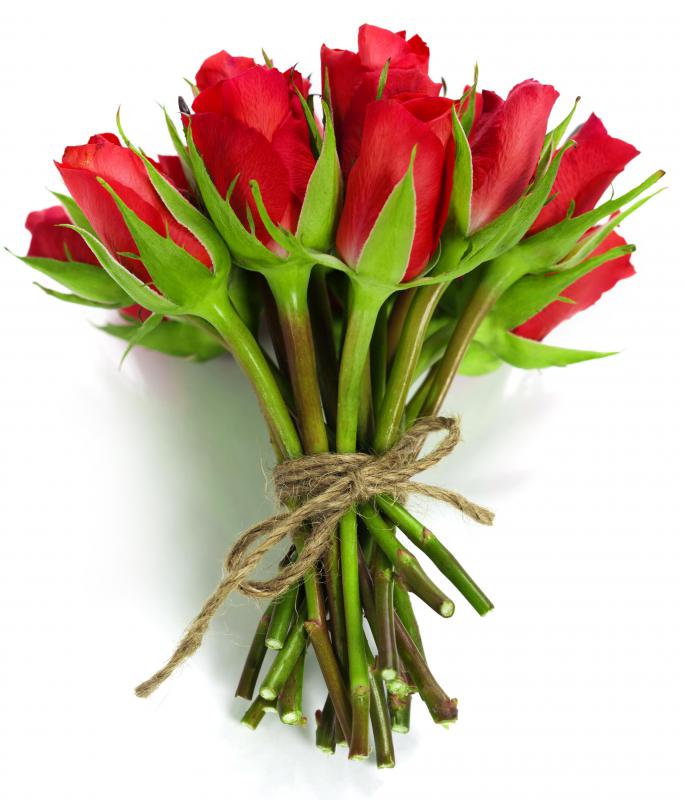
![Cut flowers that must be imported from another region are often grown in less-than-ideal conditions.]() By: Natalia KlenovaCut flowers that must be imported from another region are often grown in less-than-ideal conditions.
By: Natalia KlenovaCut flowers that must be imported from another region are often grown in less-than-ideal conditions. -
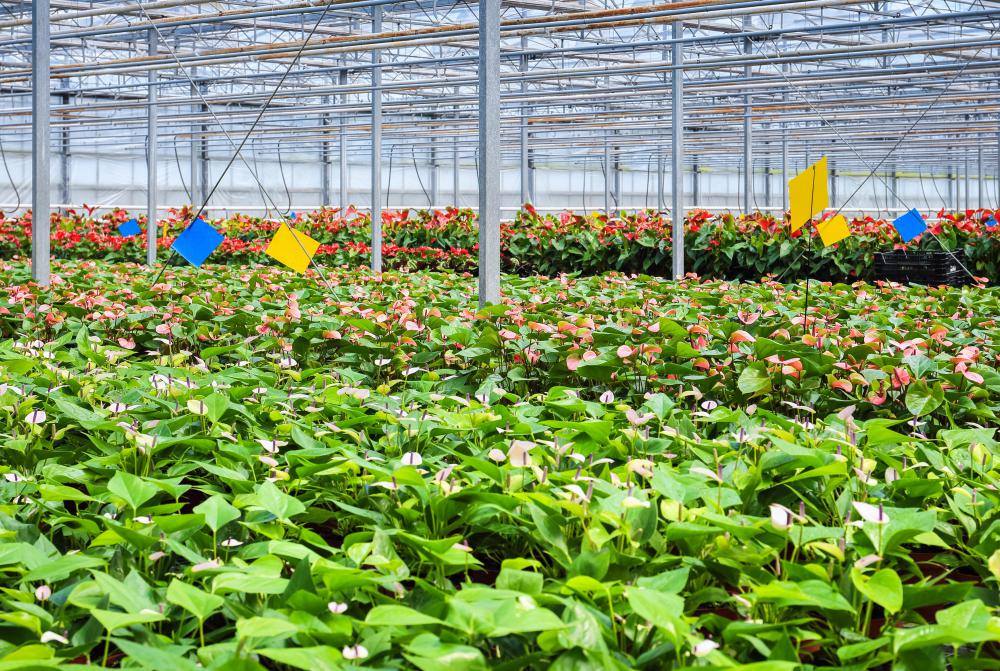
![Cut flowers typically are grown in a greenhouse or nursery environment.]() By: chungkingCut flowers typically are grown in a greenhouse or nursery environment.
By: chungkingCut flowers typically are grown in a greenhouse or nursery environment. -
![Studies suggest the chemicals used to grow cut flowers are harmful to the environment.]() By: photografer1980Studies suggest the chemicals used to grow cut flowers are harmful to the environment.
By: photografer1980Studies suggest the chemicals used to grow cut flowers are harmful to the environment. -
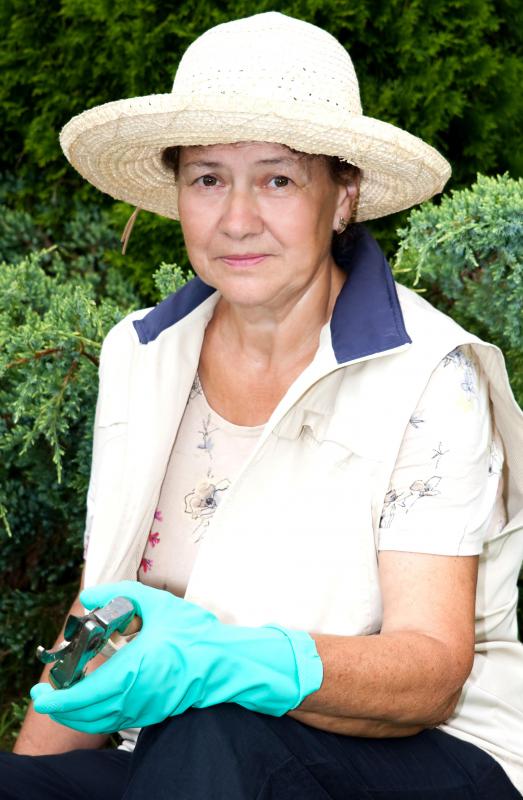
![Pesticides used to treat cut flowers may harm the health of florists.]() By: pashyksvPesticides used to treat cut flowers may harm the health of florists.
By: pashyksvPesticides used to treat cut flowers may harm the health of florists.
Discussion Comments
@BioNerd
I would argue that societal advancement and positive environmental practices go hand in hand. As the world grows to care for itself and people learn to treat fellow humans in a neighborly fashion, we will naturally be motivated to care for our environment and for the plight of future generations.
@anon138401
That's an interesting point you've made. I think that the process of helping the environment should certainly be prioritized as secondary to solving world hunger and diseases. As we progress forward toward helping the world to advance, it is important to recognize that many of these factories which are dumping pollutants are also the source of survival for many third world workers. Understanding that, we can then proceed to instruct businesses to be environmentally friendly, rather than eliminating them outright because of social stigma.
I doubt anyone will ever read this and if they do, I am sure it will be regarded as too great a thing to be true, but I assure you it is.
I strongly disagree with this writer. To be specific:
the comment about DDT. Not true and the news gets worse, much worse when you understand that, conservatively, at least 100,000,000 have lost their lives due to the discontinuation of DDT use.
This is the real history. Rachel Carson's book was the beginning of "environmental activism." It was the start of what I believe history will show to be nothing short of the largest genocidal act in history. Don't believe it? Read on.
When deaths each year of "between one and three million people, the majority of whom are (dark skinned) young children in sub-Saharan Africa" continue because someone once thought (incorrectly) that animals might be harmed, it is simply a crime.
How do you define genocide? Now, let's say you give us just a wee little break from your "environmental" preaching and agree that ignorance and arrogance are not really much of a defense for us first world people.
Post your comments